

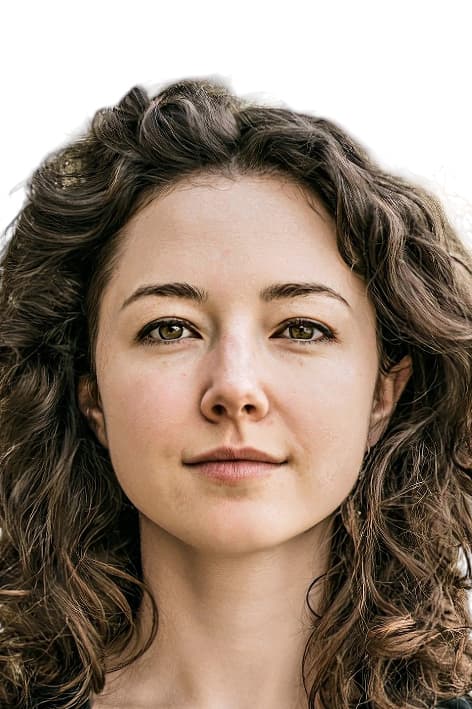
Vietnam visa photos and the Vietnam Immigration Department
Vietnam visa photos are governed by the Vietnam Immigration Department (Cục Quản lý xuất nhập cảnh) under the Ministry of Public Security, with consular sticker visas issued overseas by Vietnamese embassies and consulates under the Ministry of Foreign Affairs. The same 40×60 mm portrait is used across the e-visa portal and most embassy walk-in or mail-in channels, with a handful of mission-specific print sizes in North America and the United Kingdom.
Submissions follow one of two routes. The official e-visa portal at evisa.xuatnhapcanh.gov.vn accepts a digital JPG portrait alongside a passport bio-page scan, and runs an automated check on every upload. Embassy sticker visas are handled directly by Vietnamese diplomatic missions on paper, since Vietnam does not route standard visa intake through a global visa application centre operator.
Enforcement is strict and consistent. A photo that breaks the Vietnam Immigration Department’s rules on glasses, visible ears, neutral expression, or pure white background will be rejected at upload or returned at the counter, which in turn delays the visa decision and any planned travel.
Vietnam visa photo rules from the Vietnam Immigration Department
The Vietnam Immigration Department enforces these subject-side rules across the e-visa portal and embassy sticker visas. Glasses are the single biggest rejection trigger.
Expression & pose
- Neutral expressionKeep a neutral expression with the mouth closed. Smiling and visible teeth are not accepted.
- Eyes open and visibleBoth eyes must be open, clearly visible, and looking straight at the camera. No hair across the eyes and no glare across the eye area.
- Face forwardFace the camera squarely with the head upright. The vertical midline of the face must align with the centre of the frame.
- Both ears visibleThe Vietnam Immigration Department text explicitly requires both ears to be visible (‘showing 2 ears’). Pull hair back if it covers the ears.
Eyewear & lenses
- No glassesGlasses are prohibited. The Vietnam Immigration Department e-visa portal rejects photos with eyewear, including thin clear prescription frames. Remove all glasses before the photo is taken.
- No tinted or coloured lensesSunglasses, tinted lenses, and decorative contact lenses are not accepted. Natural eye colour must be visible.
Hair & facial hair
- Hair off the faceHair must not cover the eyes, eyebrows, or ears. The full outline of the face from chin to forehead must be visible.
Headwear
- No hats or capsHeadwear is not accepted. The full face from chin to forehead must be visible without obstruction.
- Religious head coveringReligious head coverings are permitted provided the full face, from chin to forehead and ear to ear, remains visible and no shadow falls across the face.
Jewelry & cosmetics
- Minimal jewelryReflective earrings, large pieces, or items that touch or obscure the face should be removed to avoid glare and shape interference.
- Natural cosmeticsMakeup should be light and natural. Cosmetics that alter the perceived structure of the face are not accepted.
- Identifying marks intactPermanent identifying marks such as scars, moles, and tattoos must remain visible. Concealing them with makeup or editing is not accepted.
Clothing
- Avoid white clothingWhite or very light tops blend into the required white background. Choose a solid colour that contrasts clearly.
- No uniformsMilitary, police, and other uniforms are not accepted. Wear ordinary everyday clothing.
Dimensions, resolution & background.
Head position & camera distance.
- Head height, measured from the bottom of the chin to the top of the head, must be between 38 mm and 42 mm (roughly 63–70% of the photo height).
- Eyes must sit between 29 mm and 35 mm from the bottom of the photo.
- The head must be centered horizontally in the frame with a small symmetrical margin on each side.
- Both shoulders must be square to the camera and visible. Three-quarter angles or rotated torsos are not accepted.
- The full face from chin to crown must be inside the frame with proper top margin.
Vietnam accepts more than one size — we generate them all.
Vietnam publishes more than one acceptable format depending on where you submit your application — domestic passport offices, the official online portal, and regional consulates abroad can each call for a different print or pixel size. We render every variant below from the same source photo, so the head sits at the same physical position across files, and each one arrives in your order email with a clear filename indicating which submission channel it's for.
Vietnam Visa 40×60 mm
Primary · Print + DigitalVietnam's official format — the same file works for both printed in-person submissions and the online portal upload.
Vietnam Visa 2×2 in
Print + DigitalUS-style 2×2 in size used by US-based consulates and visa agencies.
How recent the photo must be.
Your visa photo must have been taken within the last six months. A new photo is required sooner whenever your appearance has changed in a way that makes the old photo no longer recognizable.
You need a new photo if you’ve had…
- Facial surgery or a major change to facial structure
- A significant gain or loss of weight that visibly changes your face
- Large facial tattoos or piercings added or removed
- A gender transition that has changed your appearance
You do not need a new photo just because of…
- A new hair color
- Growing or removing a beard or moustache
- Ordinary, minor aging
- A new hairstyle that still leaves the face fully visible
Photos for infants and young children.
The Vietnam Immigration Department relaxes several rules for young children, but adds strict rules about who and what may appear in the frame.
Children under 10
Pose, expression, and eye-open rules are relaxed for infants and young children, but the photo must still show the child alone against a plain white background.
- Expression and gazeA neutral expression is not required. The child does not have to look straight at the camera, and the eyes do not have to be fully open.
- Head tilt allowanceSome head tilt and turn is tolerated for infants and toddlers who cannot hold a steady frontal pose.
- Child must be aloneNo other people may appear in the frame. Parents’ hands, arms, or shoulders supporting the child are a common cause of rejection.
- No propsToys, pacifiers, bottles, blankets, and other props must not be visible in the photo.
- Lying-down optionInfants may be photographed lying on a plain white sheet when they cannot be posed upright.
Other things to know.
A few Vietnam-specific quirks are worth flagging before you submit.
Glasses are the top rejection cause
The Vietnam Immigration Department e-visa portal rejects almost any visible eyewear, including thin clear frames worn for prescription reasons. Take the photo without glasses, even if you wear them daily.
Embassy size variants
The universal print size is 40 × 60 mm. Vietnamese embassies in the United States and Canada also accept 2 × 2 in (51 × 51 mm), and the Vietnamese Embassy in London accepts 35 × 45 mm. Check the size your specific submission channel expects.
Photo must be recent
The photo must have been taken within the last six months. A new photo is required after significant changes in appearance such as major weight change, facial surgery, or new facial piercings or tattoos.
Sticker versus loose-leaf copies
E-visa applications need one digital portrait. Embassy sticker visas applied to the original passport usually require one printed photo, while loose-leaf visas issued on a separate sheet require two.
Take your Vietnam visa photo at home in three steps.
Plus a human layer. Your files are ready the moment the automatic checks pass — and a real passport-photo specialist also reviews each one, usually within minutes, touching up small issues or flagging anything that needs your attention.
Free to check, and reviewed by a real expert. You only pay when you keep it.
Print-quality requirements for in-person submissions.
When you submit a printed photo at a visa application centre, the paper, finish, and ink all matter. The points below cover the standards most consular missions accept.
- Print on photographic-quality paper at 300 DPI minimum.
- Use a matte or semi-gloss finish; high-gloss can produce reflections that confuse biometric scanners.
- Do not retouch, crop, or alter the photo after printing.
- Bring at least two identical prints when the submission channel calls for paper photos.