
Vietnam Passport Photo Rules from the Immigration Department
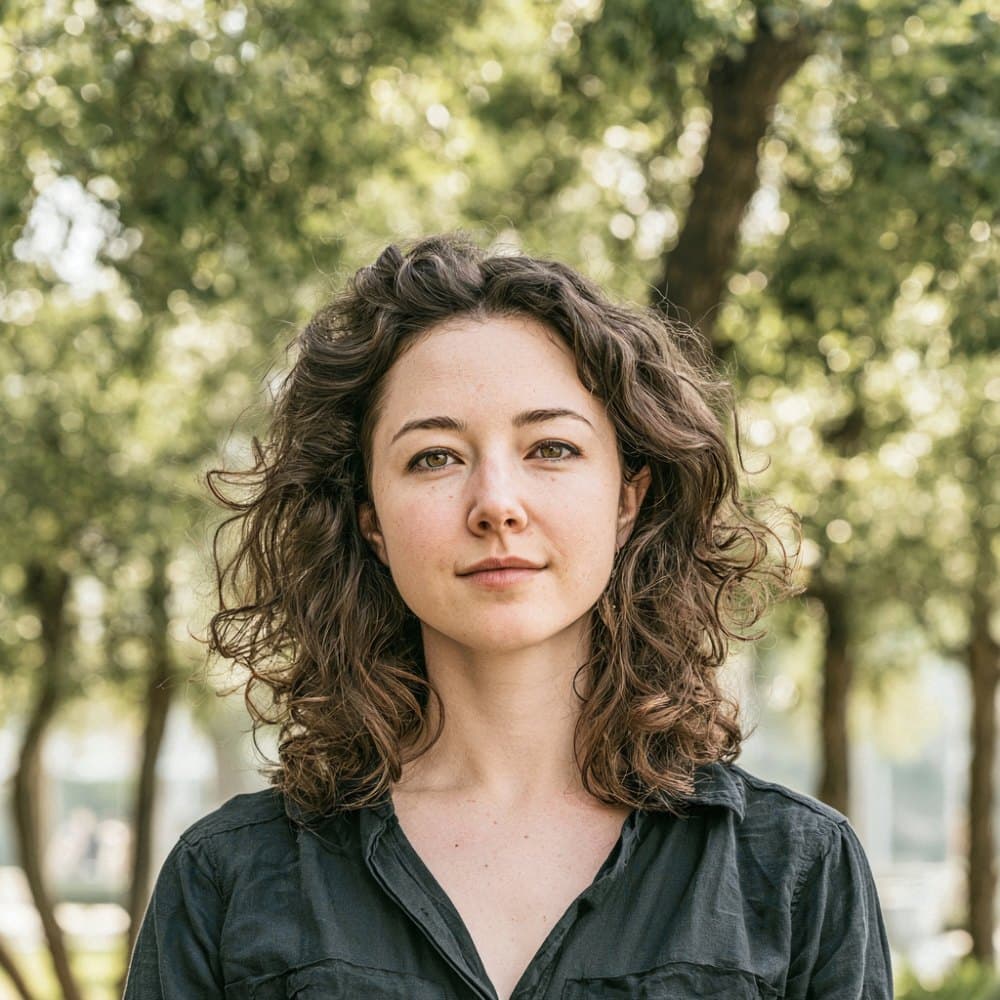
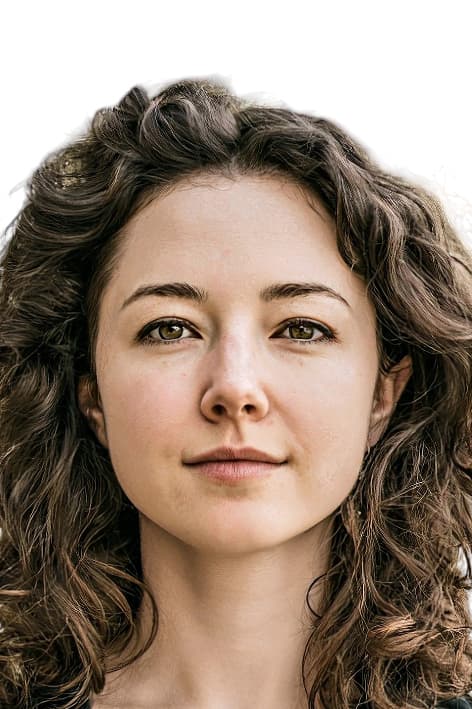
Vietnam’s passport photo specification is set by the Vietnam Immigration Department (Cục Quản lý Xuất nhập cảnh) under the Ministry of Public Security (Bộ Công an), with the legal basis in Circular 68/2022/TT-BCA and Circular 73/2021/TT-BCA. The standard print is 4×6 cm against a pure white background (nền trắng), with the forehead and both ears fully exposed, no glasses, and a neutral expression with the mouth closed. The same specification governs the e-Visa portrait upload at evisa.gov.vn and the citizen ID card (CCCD), so a single compliant photo serves all three documents.
Enforcement has tightened as Vietnam rolls out biometric authentication at every airport, seaport, and land border under Project 06. The Immigration Department applies the rules strictly: glasses of any kind are rejected without medical exception, hair must not cover the forehead or ears, and uniforms (military, police, airline, school) and camouflage are not permitted. The photo must also have been taken within the last six months and reflect the applicant’s current appearance.
A non-compliant photo is the most common reason an e-Visa application is rejected outright or a paper passport file is sent back at the receiving office. Because the e-Visa portal accepts JPEG only and caps the upload at 2 MB, even a technically correct portrait can fail if the file is wrong. We package every Vietnam photo to meet the Immigration Department’s published specification end to end.
Vietnam passport photo requirements
The Vietnam Immigration Department sets strict rules for how the subject must appear in passport and e-Visa photos. Meet every point below to avoid rejection.
Expression & pose
- Neutral expressionThe expression must be neutral (không biểu cảm). Smiling, frowning, and any other expressive variation are not accepted.
- Mouth closedThe mouth must be closed (miệng ngậm). Teeth must not be visible.
- Eyes open and forwardEyes must be fully open and looking directly at the lens. Squinting and blinking are not accepted.
- Straight headLook straight at the camera (nhìn thẳng). The head must not tilt, turn, or rotate. Yaw, pitch, and roll must each stay within 5 degrees.
- Square shouldersBoth shoulders must be square to the camera, visible, and evenly leveled. Artistic or angled poses are prohibited.
Eyewear & lenses
- Glasses prohibitedGlasses are strictly prohibited (không đeo kính). The Vietnam Immigration Department grants no exceptions, including for clear prescription frames, thin wire frames, or non-reflective lenses.
- Tinted and sunglassesSunglasses and any tinted lenses are not accepted.
- Contact lensesClear prescription contact lenses are permitted. Colored, patterned, or cosmetic contact lenses are prohibited.
Hair
- Forehead visibleThe forehead must be exposed (lộ trán). Bangs that cover the forehead, eyebrows, or eyes are not accepted and must be swept or pinned aside.
- Face unobstructedHair must not cover the eyes, eyebrows, cheeks, or jawline. The full facial oval must be clearly visible.
- Ears framed by hairLong hair must be tucked firmly behind the ears so neither ear is draped or partially covered.
- Hair accessoriesDecorative clips, bows, and visible headbands are prohibited. Plain, invisible hair ties are acceptable.
- WigsWigs are permitted only when worn daily for medical reasons and only if they do not obscure the face.
Ears
- Both ears visibleBoth ears must be completely uncovered and clearly visible (lộ hai tai). This is one of Vietnam’s most strictly enforced subject rules and applies regardless of gender.
Headwear
- Bare headHats and head coverings are prohibited under the bare-head rule (đầu để trần). Caps, beanies, and fashion hats are not accepted.
- Religious or medical exceptionReligious or medical headwear (such as a hijab, turban, or yarmulke) is tolerated only when worn daily, the full facial oval from chin to forehead remains visible, and no shadows fall across the face.
- Headwear colorWhen religious or medical headwear is worn, plain solid colors are preferred so the subject contrasts with the white background.
Jewelry & accessories
- EarringsSubtle earrings are permitted if they do not obscure facial features, cast shadows, or create reflections. Large hoops should be removed and earrings must not intersect the facial oval.
- NecklacesNecklaces are permitted. Heavy pieces that alter the natural neck or jawline must be removed.
- Facial piercingsFacial piercings are permitted when they do not obscure features or create reflections.
- Headphones and earbudsHeadphones and wireless earbuds are prohibited and must be removed before the photo is taken.
Cosmetics
- Makeup levelMakeup must be minimal and natural. It must not alter appearance in a way that affects biometric matching.
- False eyelashesFalse eyelashes and heavy contouring that alter facial biometrics are prohibited.
Clothing
- Civilian attireCivilian clothing is required (thường phục, trang phục lịch sự). A collared shirt is strongly recommended.
- White tops permittedWhite tops are explicitly acceptable. White collared shirts are the standard Vietnamese ID photo attire and no Vietnamese regulation prohibits them.
- Uniforms prohibitedMilitary, police, airline, and school uniforms, as well as camouflage patterns, are strictly prohibited.
- ModestyTank tops, spaghetti straps, deep necklines, and off-shoulder tops are not accepted.
Photo quality
- No red-eyeRed-eye is not accepted, and digital red-eye correction is prohibited by the Vietnam Immigration Department. Retake the photo instead.
- Subject in focusThe subject must be sharp and in focus. Motion blur caused by the subject moving during capture is not accepted.
- No facial shadowsShadows must not fall across the face, including shadows cast by religious or medical headwear.
Dimensions, resolution & background.
Head position & camera distance.
- Head height, measured from the bottom of the chin to the top of the head, must be between 38 mm and 42 mm.
- Eyes must sit between 29 mm and 35 mm from the bottom of the photo.
- The head must be centered horizontally in the frame, with a small symmetrical margin on each side.
- Shoulders must be square to the camera and both visible. No three-quarter angles or rotated torso.
- The full face, from chin to crown, must be inside the frame with proper top margin.
Vietnam accepts more than one size — we generate them all.
Vietnam publishes more than one acceptable format depending on where you submit your application — domestic passport offices, the official online portal, and regional consulates abroad can each call for a different print or pixel size. We render every variant below from the same source photo, so the head sits at the same physical position across files, and each one arrives in your order email with a clear filename indicating which submission channel it's for.
Vietnam Passport 40×60 mm
Primary · Print + DigitalVietnam's official format — the same file works for both printed in-person submissions and the online portal upload.
Vietnam Passport 2×2 in
Print + DigitalUS-style 2×2 in size used by US-based consulates and visa agencies.
How recent the photo must be.
Your passport photo must have been taken within the last six months. A new photo is required sooner whenever your appearance has changed in a way that makes the old photo no longer recognizable.
You need a new photo if you’ve had…
- Facial surgery or a major change to facial structure
- A significant gain or loss of weight that visibly changes your face
- Large facial tattoos or piercings added or removed
- A gender transition that has changed your appearance
You do not need a new photo just because of…
- A new hair color
- Growing or removing a beard or moustache
- Ordinary, minor aging
- A new hairstyle that still leaves the face fully visible
Photos for infants and young children.
The Vietnam Immigration Department applies the same photo specification to all ages, with minor behavioral allowances for the youngest applicants.
Infants (0–35 months)
Infants are granted limited behavioral leniency, but the core subject rules still apply.
- Supported posingAn infant may be photographed lying on a plain white sheet or seated in a car seat draped with a white cloth.
- Expression and gazeSlight tolerance is allowed on a perfectly neutral expression and on looking directly at the camera.
- Eyes and mouthEyes must still be open. The mouth should generally be closed.
- Frame must be clearPacifiers, toys, parents’ hands, and any other person must not appear in the frame.
- Standard rules applyGlasses are prohibited and the white background, civilian attire, and exposed forehead and ears requirements still apply.
Children (under 10)
- Face height toleranceFor children under 10, the face may occupy 50 to 80 percent of the photo height, corresponding to roughly 22 to 36 millimeters from chin to crown.
- Solo subjectNo other person, hands, or objects may appear in the frame.
- Standard rules applyNeutral expression, closed mouth, open eyes, no glasses, exposed forehead, and both ears visible remain mandatory.
Country-specific details to know.
A few Vietnam-specific points are worth flagging before you submit.
Both ears exposed
Vietnam’s lộ hai tai rule requires both ears to be fully visible in every photo. This is one of the country’s most strictly enforced subject requirements and applies to all applicants regardless of hairstyle or gender.
Zero-tolerance glasses rule
Glasses are banned outright with no medical or prescription exception. Enforcement has tightened alongside the rollout of biometric authentication at Vietnamese border points under Project 06.
White shirts welcome
Despite contrary advice circulating online, the Vietnam Immigration Department explicitly accepts white tops. A white collared shirt is the de facto standard for Vietnamese ID photos.
Six-month recency window
The photo must have been taken within the last 6 months (chụp không quá 06 tháng). A new photo is required if appearance has changed significantly, even within that window.
As easy as snap, upload, done.
You take a quick picture. We do the spec work and tell you immediately if anything needs a retake.
Plus a human layer. Your files are ready the moment the automatic checks pass — and a real passport-photo specialist also reviews each one, usually within minutes, touching up small issues or flagging anything that needs your attention.
Free to check, and reviewed by a real expert. You only pay when you keep it.
Print & paper standards.
If you submit a printed photo with a paper application, the print itself has to meet acceptance-facility standards in addition to the rules above.
- High-quality photo paper (matte or glossy finish).
- Inkjet printing is not accepted. Use a professional photo lab.
- No visible pixels, banding, dithering, or printer artifacts.
- The print must be undamaged: no creases, holes, smudges, staples, or pinholes.
- Do not write on the back of the photo.
- 2 identical prints are required.