
What Immigration New Zealand requires for visa photos
Immigration New Zealand (INZ), the agency within the Ministry of Business, Innovation and Employment that runs the visa system, sets a single photo standard that covers every visa category. The same rules govern Visitor, Student, Work, Resident, and NZeTA applications, with only the number of copies and the submission channel changing between them. The print size is 35×45 mm, and digital uploads must be JPG/JPEG in a 3:4 portrait ratio.
Applicants reach INZ through several channels. Most categories use the Immigration Online portal or the NZeTA web application, both of which run uploads through the same back-end photo checker. The official NZeTA mobile app is the only sanctioned route for an in-app selfie. Paper applications go through VFS Global visa application centres or by mail and require two identical printed copies. INZ does not collect photos on site, so the applicant always supplies the image.
INZ tightened its enforcement during the 2024 and 2025 policy cycle, with explicit warnings against AI-edited or filtered submissions and a clear preference for a plain, light-coloured background that is not pure white. Photos that miss the published spec are flagged by the automated checker or by a case officer, and the consequence is a delay in processing or a declined application, with the applicant asked to resubmit a compliant image.
What Immigration New Zealand requires in your visa photo
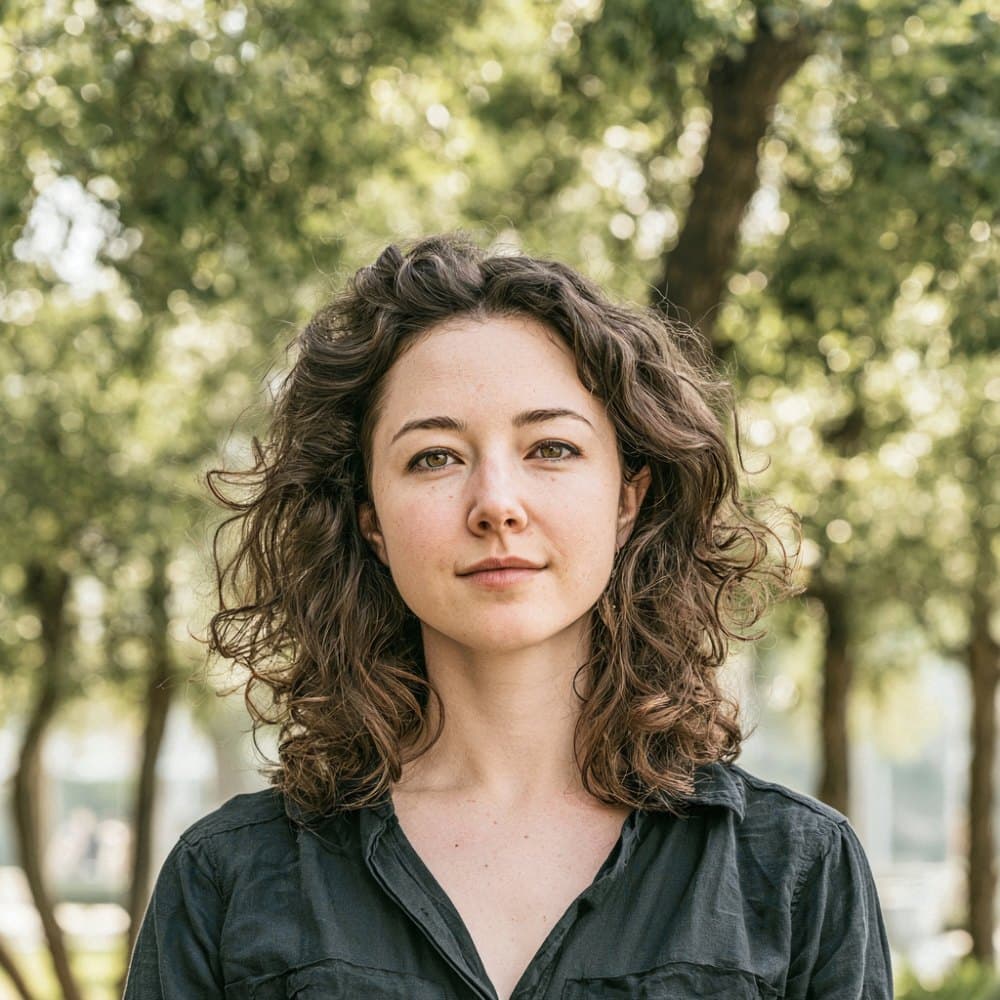
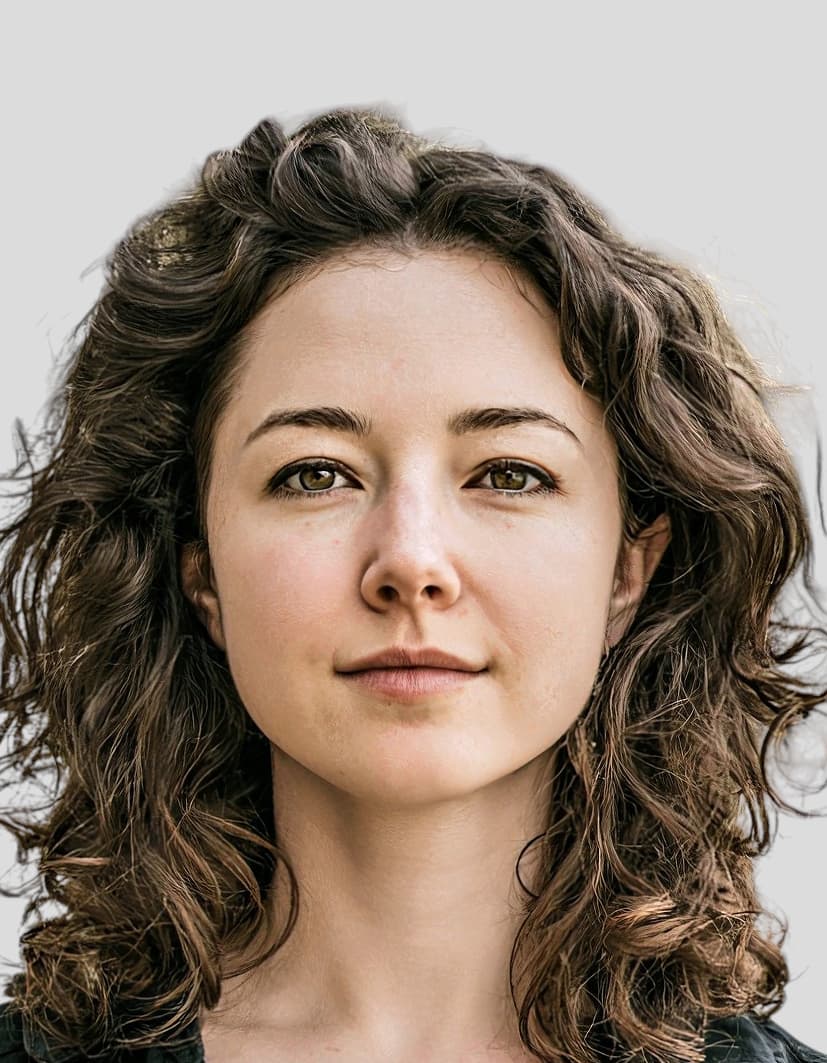
Immigration New Zealand applies a single photo standard across visitor, work, student, resident, and NZeTA applications. The rules below describe what the subject must look like in the final image.
Expression & pose
- Neutral expressionThe mouth must be closed with no smile, frown, or visible teeth. Immigration New Zealand requires a natural, neutral look.
- Eyes open and forwardBoth eyes must be open, clearly visible, and looking directly at the camera.
- Face squared to cameraThe face must be aimed straight at the lens, not turned to the side and not tilted up, down, or sideways.
- RecencyThe photo must be less than six months old and must still clearly identify the applicant.
Eyewear & lenses
- Prescription glassesClear prescription glasses are permitted only if the frames are lightweight, the lenses are untinted, and there is no glare or reflection on the lenses. Immigration New Zealand advises removing glasses if reflections persist.
- Tinted lenses and sunglassesSunglasses and tinted or photochromic lenses are not accepted.
- Frames over the eyesHeavy frames that cover any part of the eyes are not accepted.
Hair & face
- Hair away from the faceHair must not fall across the eyes, eyebrows, or sides of the face.
- Ears visibleEars must be visible in the photo. The only exception is a scarf or head covering worn for religious or medical reasons.
- Forehead and hairlineBangs or fringes that hide the forehead are not accepted. The hairline should be visible.
Headwear
- General ruleHats and head coverings must be removed for the photo.
- Religious or medical exceptionHead coverings worn for religious or medical reasons are permitted, provided they do not cover the face, hairline, or sides of the face, and do not cast shadows.
Jewellery & accessories
- Reflective piecesAvoid large or reflective jewellery near the face that could create glare or obscure features. Digitally removing jewellery after the fact is not permitted.
- Headphones and earpiecesHeadphones, earbuds, and other accessories on or around the head must not appear in the photo.
Cosmetics
- Natural appearanceHeavy makeup that alters the natural appearance of the face conflicts with Immigration New Zealand’s natural-appearance rule and should be avoided.
Clothing
- Plain, solid coloursWear plain, solid-coloured clothing. Busy prints and patterns can interfere with facial recognition checks.
- Contrast with backgroundClothing should contrast with the light neutral background so the head and shoulders are clearly defined.
- UniformsUniforms, including military and law-enforcement uniforms, should not be worn.
Photo quality
- Sharp focusThe photo must be sharp and in focus, with no motion blur from the subject.
- No red-eyeRed-eye is not accepted.
- Shadows on the faceThere must be no shadows across the face or under the chin, including shadows cast by a hat brim or fringe.
Dimensions, resolution & background.
Head position & camera distance.
- Head height, measured from the bottom of the chin to the top of the head, must be between 28 mm and 31 mm (roughly 62–68% of the photo height).
- Eyes must sit between 23 mm and 27 mm from the bottom of the photo.
- The head must be centered horizontally in the frame with a small symmetrical margin on each side.
- Both shoulders must be square to the camera and visible. Three-quarter angles or rotated torsos are not accepted.
- The full face from chin to crown must be inside the frame with proper top margin.
New Zealand accepts more than one size — we generate them all.
New Zealand publishes more than one acceptable format depending on where you submit your application — domestic passport offices, the official online portal, and regional consulates abroad can each call for a different print or pixel size. We render every variant below from the same source photo, so the head sits at the same physical position across files, and each one arrives in your order email with a clear filename indicating which submission channel it's for.
New Zealand Visa 35×45 mm
Primary specNew Zealand's recommended print format — accepted at most in-country submissions and the default we render first.
New Zealand Visa 1650×2200 px — online
Digital uploadPixel-exact format required by the official online portal upload.
New Zealand Visa 540×720 px
Digital uploadDigital-only format for online submission — not intended for printing.
How recent the photo must be.
Your visa photo must have been taken within the last six months. A new photo is required sooner whenever your appearance has changed in a way that makes the old photo no longer recognizable.
You need a new photo if you’ve had…
- Facial surgery or a major change to facial structure
- A significant gain or loss of weight that visibly changes your face
- Large facial tattoos or piercings added or removed
- A gender transition that has changed your appearance
You do not need a new photo just because of…
- A new hair color
- Growing or removing a beard or moustache
- Ordinary, minor aging
- A new hairstyle that still leaves the face fully visible
Photos for infants and young children.
Immigration New Zealand does not publish separate visa-photo rules by age, but officers apply practical tolerance for very young children, in line with New Zealand passport practice.
Infants (under 1 year)
Eyes-open and neutral-expression rules are relaxed in practice for babies under one year old.
- Expression and eyesBabies do not need to hold a neutral expression, and closed or partially closed eyes are tolerated.
- Head positionModest tilting of the head is accepted, provided the face is still clearly visible and looking generally toward the camera.
- Lying-down optionInfants may be photographed lying on a plain, light-coloured (not white) sheet, with the camera held directly above.
- Subject must be aloneNo hands, arms, toys, dummies, or other people may appear anywhere in the frame.
Other things to know.
A few specifics about New Zealand visa photos catch applicants out.
NZeTA app selfie exception
The official NZeTA mobile app is the only Immigration New Zealand channel where a selfie is sanctioned. For every other visa channel, including Immigration Online and the NZeTA web portal, selfies are not accepted.
Strict ban on digital editing
Immigration New Zealand tightened its rules in 2024 and 2025 to ban AI enhancement, beauty filters, skin smoothing, face slimming, and any adjustment of brightness, contrast, or sharpness. Photos showing these alterations will delay or decline the application.
Two prints for paper applications
Paper applications submitted through VFS Global or by mail require two identical 35x45 mm prints. They must be original prints, not photocopies or scans, and must arrive uncreased and unmarked.
Ears must show
Unlike many countries, Immigration New Zealand specifically requires both ears to be visible. The only accepted reason to cover them is a scarf worn for religious or medical purposes.
Take your New Zealand visa photo at home in three steps.
Plus a human layer. Your files are ready the moment the automatic checks pass — and a real passport-photo specialist also reviews each one, usually within minutes, touching up small issues or flagging anything that needs your attention.
Free to check, and reviewed by a real expert. You only pay when you keep it.
Print-quality requirements for in-person submissions.
When you submit a printed photo at a visa application centre, the paper, finish, and ink all matter. The points below cover the standards most consular missions accept.
- Print on photographic-quality paper at 600 DPI minimum.
- Use a matte or semi-gloss finish; high-gloss can produce reflections that confuse biometric scanners.
- Do not retouch, crop, or alter the photo after printing.
- Bring at least two identical prints when the submission channel calls for paper photos.