
QUICK ANSWER
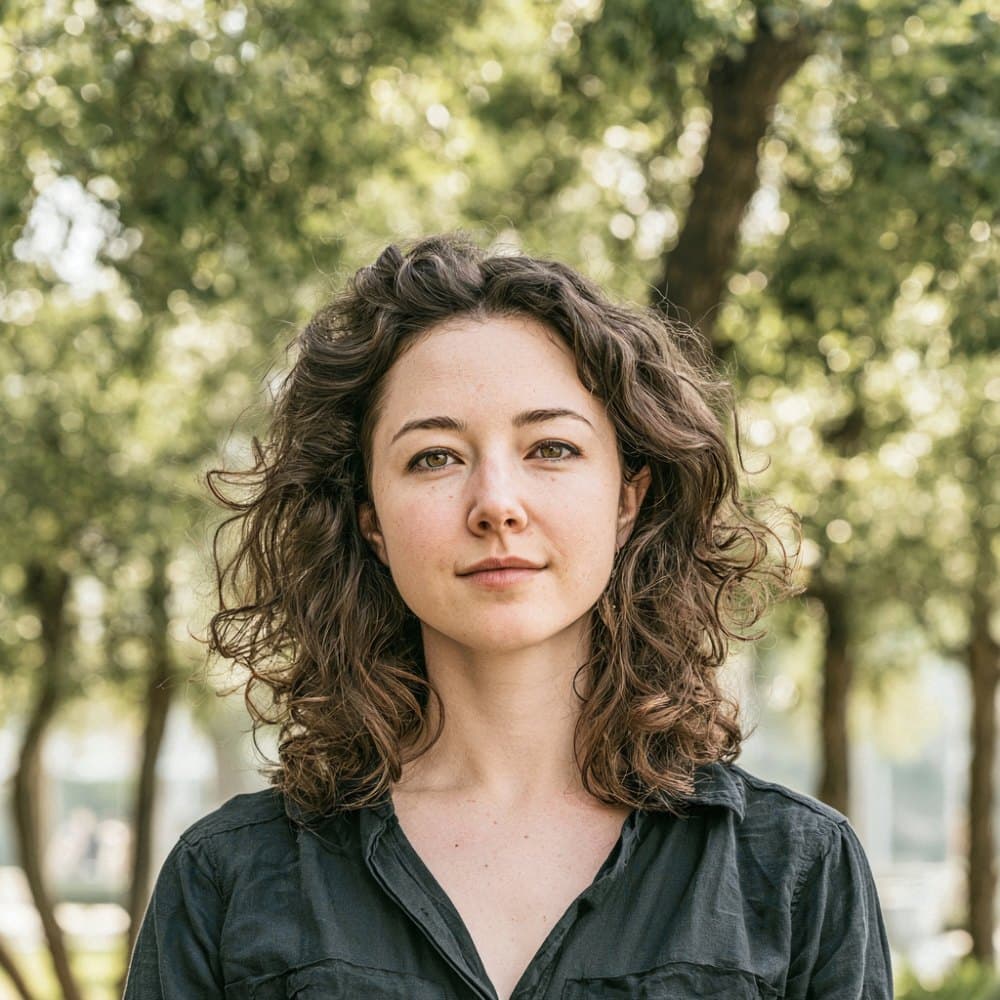
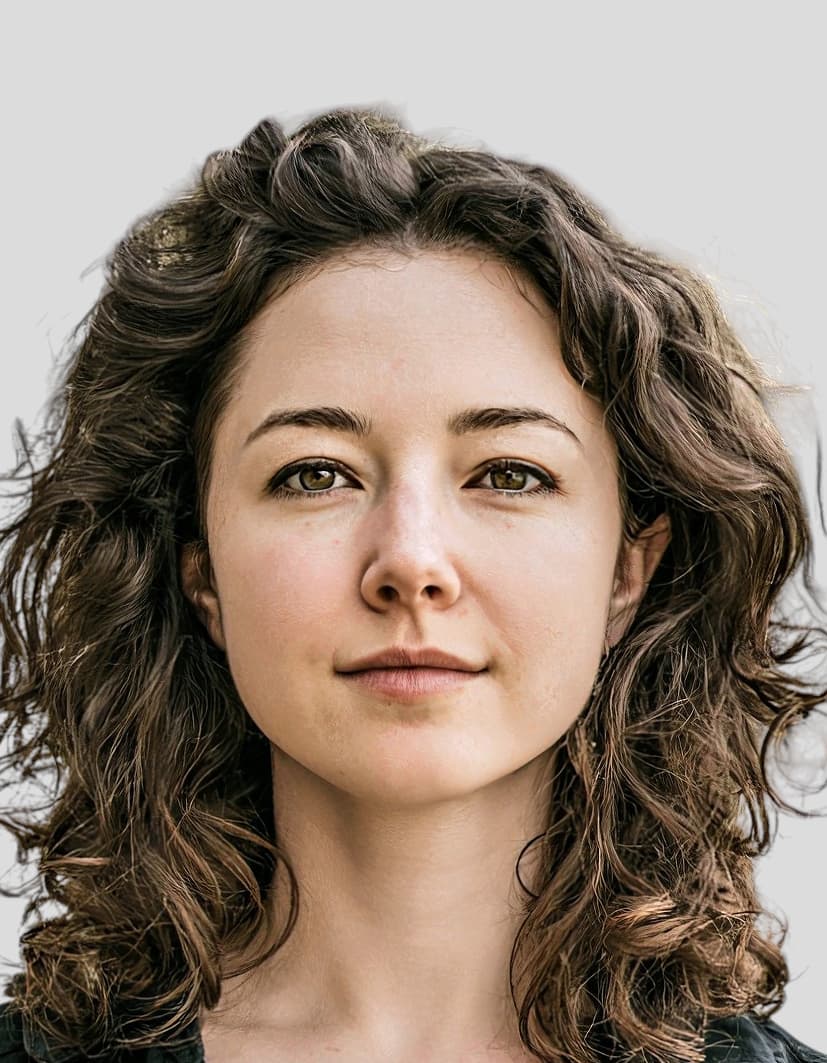
A New Zealand passport photo is 35 × 45 mm with the head 28–31 mm tall (about 62–68% of the frame), on a plain light-grey, light-blue or cream background — white is not accepted. Use a neutral expression with your mouth closed and both eyes open. We size, frame, and set the background to the DIA spec automatically.
New Zealand passport photos and the Department of Internal Affairs
New Zealand passport photographs are governed by the Department of Internal Affairs (Te Tari Taiwhenua), which operates the New Zealand Passports Office. The current specification is published at passports.govt.nz and enforced by the official online photo checker, which validates every uploaded image against the DIA’s compositional and biometric rules before an application can proceed.
The same 35×45 mm size and 3:4 digital aspect ratio used for passports also applies to NZeTA and visa photos processed by Immigration New Zealand, although file size limits differ slightly between the two pipelines. The DIA rules apply uniformly to adult and child passport applications, with limited relaxations only for infants under twelve months.
Compliance is checked automatically and the online photo checker’s decisions cannot be overridden by standard users. A photo that fails on expression, pose, background, eyewear, or headwear is rejected outright, which delays the application and forces a retake. Submitting an image that meets the DIA specification on the first attempt is the only way to avoid those delays.
New Zealand passport photo rules from the Department of Internal Affairs
The DIA Passports Office sets a single standard for adult and child passport photos. Every rule below covers how the subject must appear in the final image.
Expression & pose
- Neutral expressionThe applicant must hold a neutral expression with no smiling or frowning. The mouth must be closed and teeth must not be visible.
- Eyes open and forwardBoth eyes must be open and looking directly at the camera. The eyes must be clearly visible with nothing obscuring them.
- Head straightThe head must face the camera straight on, with no tilt, turn, or rotation. The face must be fully visible and not angled to one side.
- Shoulders squareShoulders must sit square to the camera and the upper chest must be included in the frame.
Eyewear & lenses
- Prescription glassesPrescription glasses are permitted only if frames are not thick or heavy, lenses are not tinted, and there is no glare or reflection on the lenses. There must be a clear gap between the eyes and the frames. If glasses cause reflections, the DIA advises removing them for the photo.
- Sunglasses and tinted lensesSunglasses and any tinted lenses that obscure the eyes are not permitted.
- Contact lensesClear prescription contact lenses are permitted. Coloured or novelty cosmetic lenses are not accepted because they alter the natural appearance of the eyes.
Hair
- Hair off the faceHair must be kept out of the eyes and away from the face. The eyes and edges of the face must remain clearly visible.
- Fringes and bangsFringes are acceptable provided they do not touch or cover the eyes or drop below the eyebrow line.
- Long hairLong hair should be tucked back so that the sides of the face, including the cheekbones and jawline, are not obscured.
Headwear
- General ruleHats, caps, beanies, and non-religious headbands are not permitted in the photo.
- Religious or medical head coveringsHead coverings worn for religious or medical reasons are permitted. The full face must remain visible from the bottom of the chin to the top of the forehead, with both sides of the face uncovered, and the covering must not cast shadows on the face.
- Statutory declarationApplicants wearing a religious or medical head covering must complete the statutory declaration in section 8 of the adult form (PAS310) or section 9 of the child form (PAS305).
Jewellery & accessories
- Earrings, necklaces, piercingsEarrings, necklaces, and facial piercings are permitted provided they do not obscure facial features, reflect light, or cast shadows on the face.
- Headphones and earbudsHeadphones and visible earbuds are not permitted in the photo.
- Hair accessoriesLarge or prominent hair accessories that disrupt the outline of the head are discouraged.
Cosmetics
- Natural appearanceThe photo must reflect the applicant’s natural appearance with natural skin tones. Heavy cosmetics that alter the apparent shape or colour of the eyes, nose, mouth, cheekbones, or eyebrows are not accepted.
- Facial tattoosVisible facial tattoos are accepted as part of the applicant’s normal appearance and do not need to be concealed.
Clothing
- Everyday clothingApplicants must wear ordinary everyday clothing. Uniforms are not permitted, with the exception of religious attire worn daily.
- Patterns and printsClothing with busy patterns, logos, or prints should be avoided because they can interfere with automated checks.
- Face and neck visibleClothing must not cover the face or neck. High collars and non-religious scarves that conceal the neck are not acceptable.
Photo quality
- No shadows on the faceThe face must be evenly lit with no shadows cast across it, including shadows from a hat brim or head covering.
- No red-eyeRed-eye is not accepted, and the DIA does not allow digital red-eye correction. A clean retake is required.
- Sharp focusThe subject must be in sharp focus with no motion blur.
Dimensions, resolution & background.
Head position & camera distance.
- Head height, measured from the bottom of the chin to the top of the head, must be between 28 mm and 31 mm (roughly 62–68% of the photo height).
- The head must be centered horizontally in the frame, with a small symmetrical margin on each side.
- Shoulders must be square to the camera and both visible. No three-quarter angles or rotated torso.
- The full face, from chin to crown, must be inside the frame with proper top margin.
New Zealand accepts more than one size — we generate them all.
New Zealand publishes more than one acceptable format depending on where you submit your application — domestic passport offices, the official online portal, and regional consulates abroad can each call for a different print or pixel size. We render every variant below from the same source photo, so the head sits at the same physical position across files, and each one arrives in your order email with a clear filename indicating which submission channel it's for.
New Zealand Passport 35×45 mm
Primary specNew Zealand's recommended print format — accepted at most in-country submissions and the default we render first.
New Zealand Passport 1500×2000 px — online
Digital uploadPixel-exact format required by the official online portal upload.
How recent the photo must be.
Your passport photo must have been taken within the last six months. A new photo is required sooner whenever your appearance has changed in a way that makes the old photo no longer recognizable.
You need a new photo if you’ve had…
- Facial surgery or a major change to facial structure
- A significant gain or loss of weight that visibly changes your face
- Large facial tattoos or piercings added or removed
- A gender transition that has changed your appearance
You do not need a new photo just because of…
- A new hair color
- Growing or removing a beard or moustache
- Ordinary, minor aging
- A new hairstyle that still leaves the face fully visible
Photos for infants and young children.
The DIA applies the adult standard to nearly all applicants. Only babies under one year receive operational leniency.
Infants (under 12 months)
Babies under one year are given relaxed expression and pose rules, but the photo must still isolate the baby with no other people, hands, or objects in the frame.
- EyesEyes may be closed for babies under 12 months, although eyes open is still preferred.
- MouthThe mouth may be slightly open.
- SetupThe baby should be laid on a plain light-coloured (not white) sheet or blanket and photographed from directly above.
- Dummies and toysPacifiers, dummies, and toys must not appear in the frame.
- Subject aloneNo hands, arms, or other people may be visible. The baby must be the only subject in the photo.
Children (1 to 15 years)
Children aged one and older are held to the same standard as adults.
- Adult rules applyChildren from age one must meet the full adult standard, including neutral expression, closed mouth, open eyes looking at the camera, and a straight head position.
- Head coveringsAny religious or medical head covering for a child requires the statutory declaration in section 9 of the PAS305 child application form.
Country-specific details to know.
A few New Zealand specific points sit outside the standard requirement groups.
Background colour
New Zealand explicitly prohibits white backgrounds. The DIA requires a plain light-coloured background such as light grey, light blue, or cream, and the online checker rejects white.
Clothing and background contrast
Because the background must be light, clothing must contrast clearly with it. Light clothing against a light background triggers automated rejection by the online photo checker.
Photo recency
The photo must be less than six months old and must reflect the applicant’s current appearance. Significant changes such as a new beard or a major change in hairstyle require a new photo even within the six month window.
As easy as snap, upload, done.
You take a quick picture. We do the spec work and tell you immediately if anything needs a retake.
Plus a human layer. Your files are ready the moment the automatic checks pass — and a real passport-photo specialist also reviews each one, usually within minutes, touching up small issues or flagging anything that needs your attention.
Free to check, and reviewed by a real expert. You only pay when you keep it.
Print & paper standards.
If you submit a printed photo with a paper application, the print itself has to meet acceptance-facility standards in addition to the rules above.
- Color film paper or low-gloss coated thermal paper (high-resolution) with a glossy finish.
- Inkjet printing is not accepted. Use a professional photo lab.
- No visible pixels, banding, dithering, or printer artifacts.
- The print must be undamaged: no creases, holes, smudges, staples, or pinholes.
- Do not write on the back of the photo.
- 2 identical prints are required.