

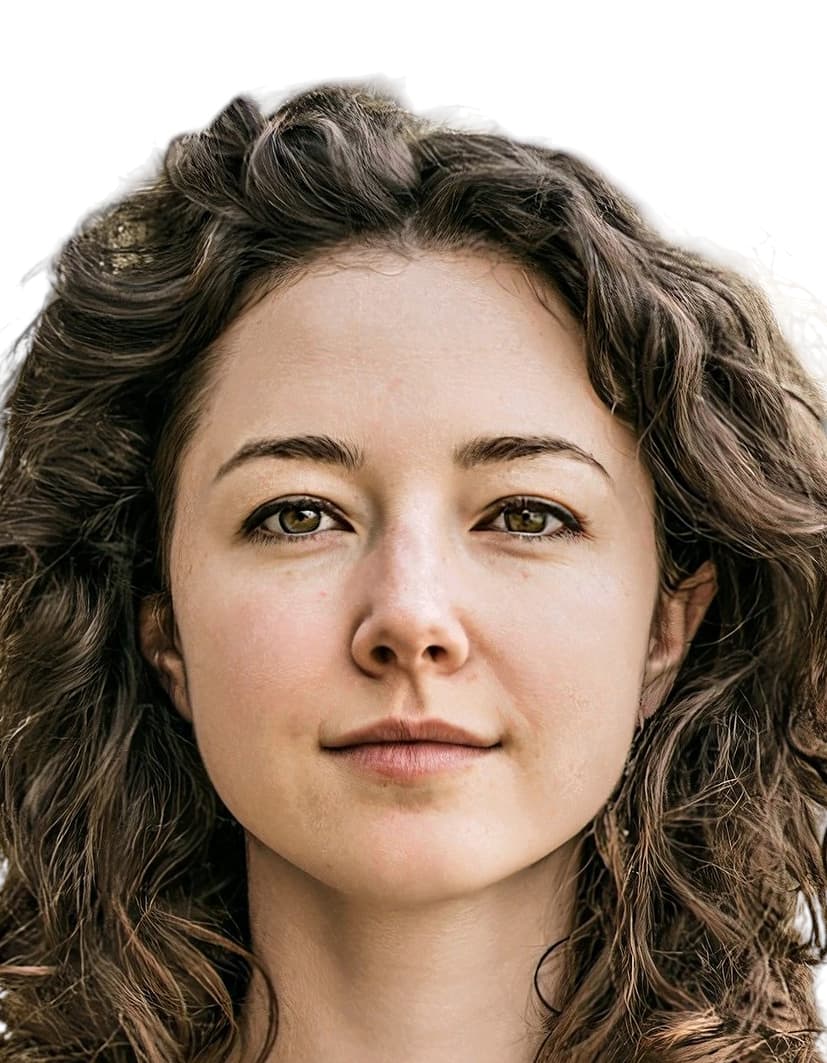
Japan visa photos follow the Ministry of Foreign Affairs standard
Japan visa photos are governed by the Ministry of Foreign Affairs (MOFA), with the Immigration Services Agency setting the underlying technical specification. The same image is used whether the applicant submits through a Japanese embassy, a VFS Global Visa Application Centre, or the JAPAN eVISA portal at evisa.mofa.go.jp, and the supplied photo is what gets scanned directly onto the issued visa sticker.
Submission channels matter for Japan in a way they do not for most countries. VFS Global centres do not capture biometrics for Japan visas, so the photo the applicant hands over is the photo that travels with the file. Applications lodged at Japanese consulates inside the United States use a 2x2 inch square format instead of the standard rectangle, and the eVISA portal accepts JPEG only with a 5 MB ceiling. Live fingerprints and a face capture are taken later at the port of entry through the J-BIS system.
MOFA and the consular network enforce the specification strictly. Photos that fail on subject-side rules, expression, eyewear, hair across the eyes, colored or circle contact lenses, or visible props in infant shots, are returned and the application is delayed until a compliant photo is supplied. Physical prints that arrive stapled, taped, on plain paper, or missing the applicant’s name and date of birth on the reverse are rejected on intake.
What MOFA expects in a Japan visa photo
The Ministry of Foreign Affairs of Japan and the Immigration Services Agency enforce a tightly defined subject standard. The rules below cover how the applicant must appear in the frame.
Expression & pose
- Neutral expressionThe applicant must face the camera squarely with a neutral expression. Smiling, frowning, or other exaggerated expressions are not accepted.
- Mouth closedThe mouth must be closed with teeth not visible.
- Eyes open and visibleBoth eyes must be fully open and looking directly at the lens. Squinting or half-closed eyes are rejected.
- Shoulders squareShoulders must be level and squared to the camera, with the head upright and the bridge of the nose aligned to the vertical centre of the frame.
Eyewear & lenses
- EyeglassesGlasses are tolerated only if the frames do not obscure any part of the eyes and the lenses produce no glare, reflection, or tint. Japanese consulates in the United States instruct applicants to remove eyeglasses entirely, and removing them is the safer choice at any channel.
- Tinted or sunglassesTinted lenses and sunglasses are not permitted.
- Colored and circle contact lensesColored contact lenses and circle or pupil-enlarging lenses cause instant rejection by MOFA reviewers. Clear prescription contacts are acceptable.
Hair & facial hair
- Hair off the eyesHair must not cover the eyes. Bangs must be swept aside so that both eyebrows are fully visible.
- Ears visibleVFS Global and consular reviewers require both ears to be visible in the frame. Long hair should be tucked behind the ears.
- Forehead visibleThe full forehead from the hairline to the brow must be visible. Heavy fringe covering the forehead is not accepted.
Headwear
- No hats or capsHeadwear is prohibited. The face from the top of the forehead to the chin must be unobstructed.
- Religious and medical coveringsHead coverings worn for verified religious or medical reasons are permitted, provided the full face from chin to forehead remains visible and no shadows are cast on the face.
Jewelry & accessories
- Modest jewelry onlySmall, non-reflective jewelry is acceptable. Large or shiny pieces that reflect light or obscure facial features must be removed.
- No face-covering itemsScarves, masks, and any accessory that covers part of the face are not permitted.
Cosmetics
- Natural appearanceCosmetics must not alter the applicant’s natural appearance. Heavy makeup that changes the apparent shape of features is not accepted.
Clothing
- Everyday clothingOrdinary daily clothing should be worn. Uniforms are not permitted, with the exception of religious attire.
- Contrast with the backgroundClothing should contrast with the white background. Avoid white or very pale tops that blend into the backdrop.
Photo quality
- No shadows on the faceThe applicant’s face must be free of shadows. Shadows cast by hair, hats, or harsh side lighting will cause rejection.
- No red-eyeRed-eye from flash reflection is not permitted in the final image.
- Subject must hold stillThe applicant must remain still during capture. Motion blur from the subject moving is grounds for rejection.
Dimensions, resolution & background.
Head position & camera distance.
- Head height, measured from the bottom of the chin to the top of the head, must be between 33 mm and 36 mm (roughly 73–81% of the photo height).
- Eyes must sit between 21 mm and 25 mm from the bottom of the photo.
- The head must be centered horizontally in the frame with a small symmetrical margin on each side.
- Both shoulders must be square to the camera and visible. Three-quarter angles or rotated torsos are not accepted.
- The full face from chin to crown must be inside the frame with proper top margin.
Japan accepts more than one size — we generate them all.
Japan publishes more than one acceptable format depending on where you submit your application — domestic passport offices, the official online portal, and regional consulates abroad can each call for a different print or pixel size. We render every variant below from the same source photo, so the head sits at the same physical position across files, and each one arrives in your order email with a clear filename indicating which submission channel it's for.
Japan Visa 35×45 mm
Primary · Print + DigitalJapan's official format — the same file works for both printed in-person submissions and the online portal upload.
Japan Visa 45×45 mm
Print + DigitalAlternate accepted size — works as both an in-person print and an online-portal upload.
Japan Visa 2×2 in — from US consulate
Print + DigitalPrint size accepted by US-based consular missions for applicants in the United States.
How recent the photo must be.
Your visa photo must have been taken within the last six months. A new photo is required sooner whenever your appearance has changed in a way that makes the old photo no longer recognizable.
You need a new photo if you’ve had…
- Facial surgery or a major change to facial structure
- A significant gain or loss of weight that visibly changes your face
- Large facial tattoos or piercings added or removed
- A gender transition that has changed your appearance
You do not need a new photo just because of…
- A new hair color
- Growing or removing a beard or moustache
- Ordinary, minor aging
- A new hairstyle that still leaves the face fully visible
Photos for infants and young children.
MOFA allows a single age-based accommodation for applicants who cannot yet sit upright.
Infants (under 1 year)
Infants who cannot sit unsupported are given limited posing flexibility, but the frame must still be clean and free of anyone or anything other than the baby.
- Lying-flat captureInfants who cannot sit up may be photographed lying flat on a plain white or light-colored sheet.
- Car seat alternativeAlternatively, the infant may be placed in a car seat covered with a plain white cloth so that only the baby is visible.
- No hands or props in frameNo supporting hands, arms, pacifiers, toys, or other props may appear anywhere in the frame.
- Eyes open where possibleEyes should be open and looking forward where possible. Slight expression leniency is granted for newborns.
Other things to know.
A handful of Japan-specific procedural rules sit outside the standard subject checklist and routinely cause rejection.
Name and DOB on the back
Before the print is attached to the application form, the applicant must write their full name and date of birth on the back of the photo. This is a longstanding MOFA requirement intended to identify the photo if it detaches from the file.
Glue only, never staples
The photo must be glued to the application form. Staples and tape cause automatic rejection at VFS Global Visa Application Centres and at consulates.
US consulate size exception
Japanese consulates in the United States accept the 2 by 2 inch (51 by 51 mm) square format instead of the standard 35 by 45 mm print. Applicants filing in the US should select the US consular size.
No on-site biometric capture
VFS Global Visa Application Centres do not capture biometrics for Japan visas. The supplied photo is scanned directly onto the visa sticker, so a non-compliant image cannot be corrected at the counter. Live biometrics are taken later at the port of entry through J-BIS.
Take your Japan visa photo at home in three steps.
Plus a human layer. Your files are ready the moment the automatic checks pass — and a real passport-photo specialist also reviews each one, usually within minutes, touching up small issues or flagging anything that needs your attention.
Free to check, and reviewed by a real expert. You only pay when you keep it.
Print-quality requirements for in-person submissions.
When you submit a printed photo at a visa application centre, the paper, finish, and ink all matter. The points below cover the standards most consular missions accept.
- Print on photographic-quality paper at 300 DPI minimum.
- Use a matte or semi-gloss finish; high-gloss can produce reflections that confuse biometric scanners.
- Do not retouch, crop, or alter the photo after printing.
- Bring at least two identical prints when the submission channel calls for paper photos.