
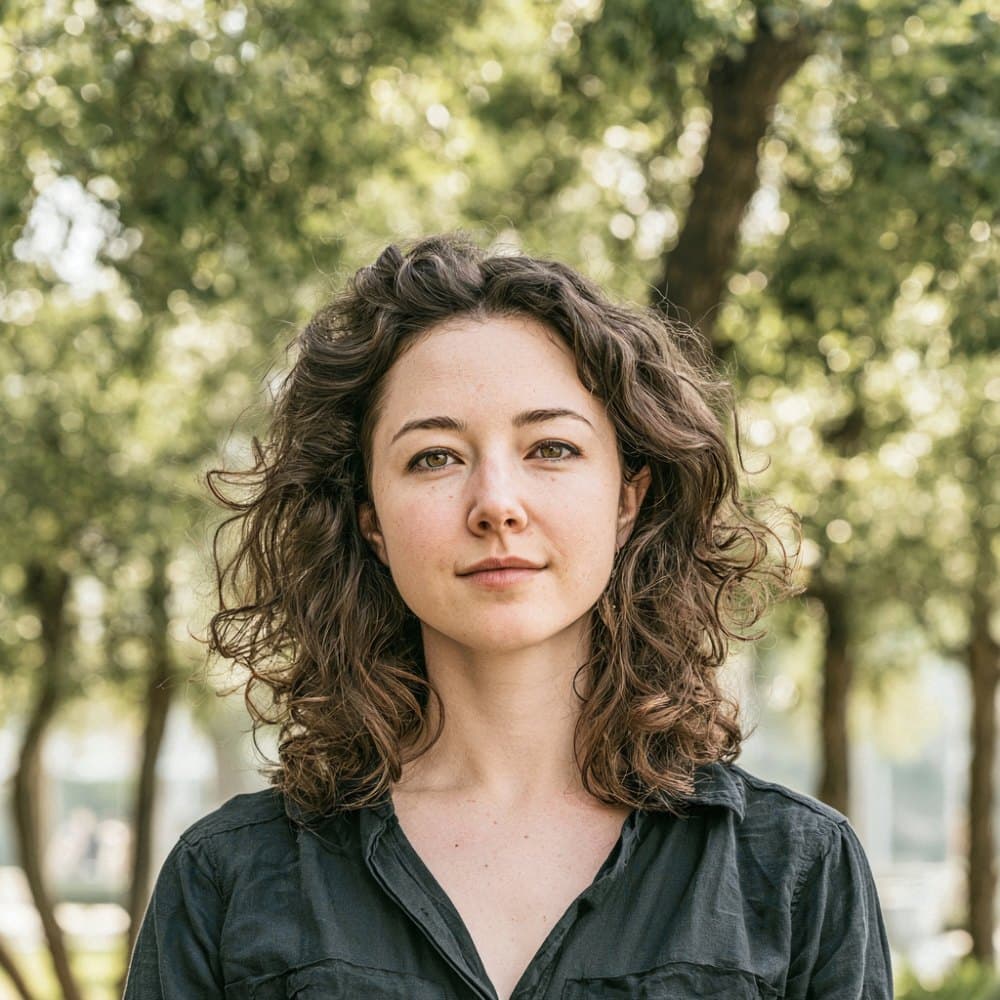
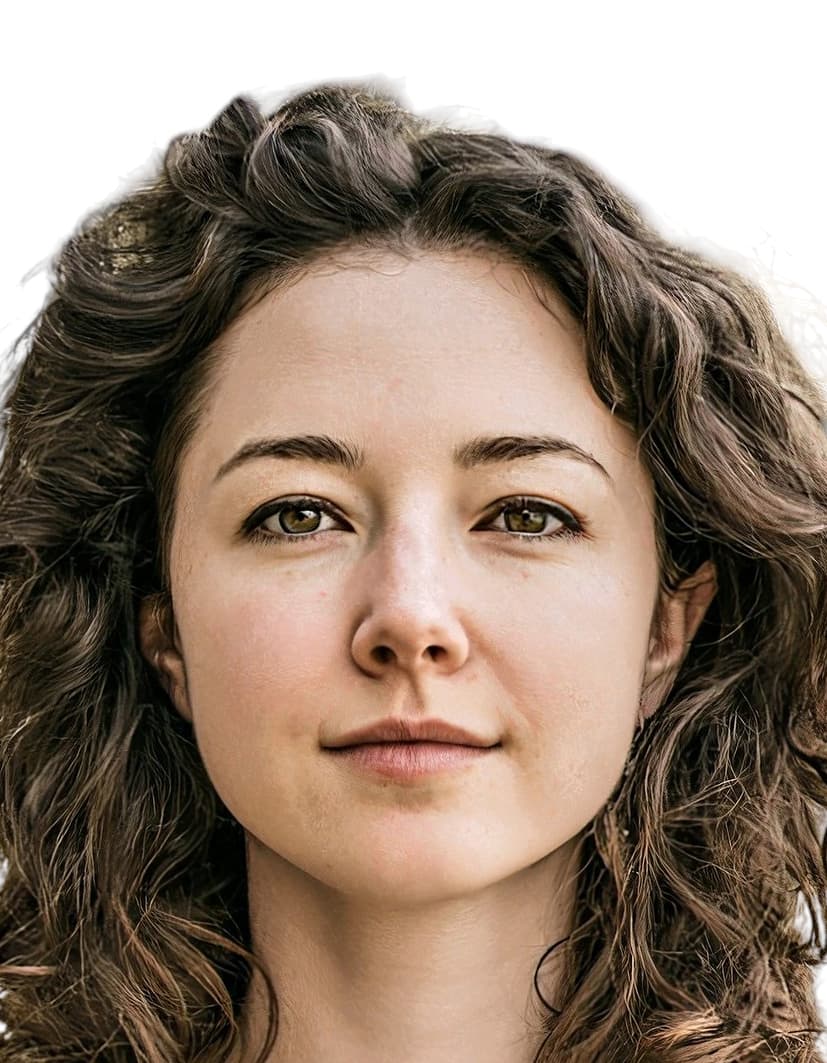
Japan passport photo rules set by the Ministry of Foreign Affairs
Japan’s passport photograph standard is published by the Ministry of Foreign Affairs (MOFA, 外務省) through its Consular Affairs Bureau, and is anchored in ICAO Doc 9303 for machine-readable travel documents. The current specification was last revised on 3 March 2025 (Reiwa 7) and applies to all Japanese passport types, including ordinary, official, and diplomatic passports.
The same 35×45 mm photograph also serves the My Number Card issued under the Ministry of Internal Affairs, so a compliant passport photo will typically satisfy that document as well. MOFA enforces the standard strictly, with no published tolerance budget for head rotation and a tight head-height band measured from chin to crown. Operational variants exist at certain overseas missions, where uncut 2×2 inch prints are accepted provided the internal head geometry still matches MOFA’s template.
Photographs that fail the spec are rejected at the counter, which delays issuance and forces the applicant to retake and resubmit. Common reasons for rejection include side hair obscuring the jaw contour, high collars covering the neck, colored or circle contact lenses, and surgical masks, all of which MOFA calls out explicitly in its current guidance.
What MOFA requires in your Japan passport photo
The Ministry of Foreign Affairs sets exacting rules for how the applicant must appear in the frame. The points below cover the subject-facing requirements you control.
Expression & pose
- Neutral expressionMOFA requires a neutral facial expression (平常の顔貌). Smiling, frowning, and other expressions that alter the cheeks or eyes are not accepted.
- Mouth closedThe mouth must be fully closed with no teeth visible.
- Eyes open and visibleBoth eyes must be fully open and clearly visible, with no squinting or blinking.
- Strictly frontal poseThe applicant must face the camera squarely (正面を向いた). MOFA tolerates effectively no yaw, pitch, or roll, so any visibly turned or tilted head is grounds for rejection.
- Shoulders squaredShoulders must be level and oriented straight toward the camera, visible at the bottom of the frame.
Eyewear & lenses
- Prescription glassesClear prescription glasses are permitted only if the eyes are fully visible, the frames do not cross the eyes, and there is no glare or reflection on the lenses. MOFA advises removing glasses if there is any doubt.
- Sunglasses and tinted lensesSunglasses, tinted lenses, and mirrored lenses are prohibited.
- Colored and circle contact lensesColored contact lenses and pupil-enlarging circle lenses (ディファイン) are strictly prohibited under a 2021 MOFA update. Clear prescription contact lenses are permitted.
Hair
- Eyes and eyebrowsHair must not cover the eyes or eyebrows. Bangs are acceptable only if they sit above the eyebrows.
- Facial contourHeavy side hair that obscures the cheeks or jawline is a known Japan-specific rejection trigger. The full outline of the face must remain visible.
- Head height includes hairThe 32 to 36 mm chin-to-crown measurement includes hair, so voluminous styles must still fit within that range.
- WigsWigs and hairpieces are permitted if they reflect the applicant’s daily appearance and do not hide facial structure.
Headwear
- Hats and capsHats, caps, and other non-religious headwear are prohibited (無帽).
- Religious and medical coveringsReligious and medical head coverings are permitted only when the full face, from forehead to chin and across both cheeks, is clearly visible with no shadows.
- Recommended colorMOFA recommends plain, dark colors for any permitted religious headwear.
- Face masksSurgical and face masks are explicitly prohibited under MOFA’s post-COVID guidance.
Jewelry & accessories
- Earrings and necklacesSmall, non-obtrusive earrings and simple necklaces are acceptable. Large, dangling, or reflective jewelry must be removed.
- Facial piercingsPermanent facial piercings are permitted provided they do not obscure facial features.
- Hair accessories and headphonesLarge hair accessories, headbands, ribbons, and headphones are prohibited.
Cosmetics
- Everyday makeupNatural everyday makeup is permitted.
- Heavy or theatrical makeupHeavy contouring or theatrical makeup that alters facial structure is prohibited.
- False eyelashesFalse eyelashes are permitted only if they look natural; lashes that obscure the eye shape or cast shadows are not accepted.
- Beauty filtersSmartphone beauty filters and apps that smooth skin, enlarge eyes, or reshape the face are prohibited.
Clothing
- Neck and jawline must be visibleHigh turtlenecks, scarves, and hoods that cover the neck or jawline are prohibited.
- Contrast with backgroundClothing should contrast with the light background. White or very pale tops are a common rejection trigger because the shoulders blend into the background.
Photo quality issues
- Shadows on the faceHeavy shadows cast across the face, under the chin, or from headwear are not accepted by MOFA.
- Red-eyeRed-eye from flash is not accepted. Retake the photo rather than attempting digital correction.
- Motion blurThe face must be in sharp focus. Photos blurred by subject movement are rejected.
Dimensions, resolution & background.
Head position & camera distance.
- Head height, measured from the bottom of the chin to the top of the head, must be between 33 mm and 36 mm (roughly 71.1–80% of the photo height).
- Top margin (from the top of the head to the top edge): 2–6 mm.
- The head must be centered horizontally in the frame, with a small symmetrical margin on each side.
- Shoulders must be square to the camera and both visible. No three-quarter angles or rotated torso.
- The full face, from chin to crown, must be inside the frame with proper top margin.
How recent the photo must be.
Your passport photo must have been taken within the last six months. A new photo is required sooner whenever your appearance has changed in a way that makes the old photo no longer recognizable.
You need a new photo if you’ve had…
- Facial surgery or a major change to facial structure
- A significant gain or loss of weight that visibly changes your face
- Large facial tattoos or piercings added or removed
- A gender transition that has changed your appearance
You do not need a new photo just because of…
- A new hair color
- Growing or removing a beard or moustache
- Ordinary, minor aging
- A new hairstyle that still leaves the face fully visible
Photos for infants and young children.
MOFA does not publish separate numerical standards by age. The 35 by 45 mm format and 32 to 36 mm head height apply to every applicant, including newborns, with limited operational allowances for infants.
Infants and young children
MOFA applies the adult specification to all ages, but passport staff allow a small number of practical accommodations when photographing a baby who cannot yet sit or hold their head up.
- Lying down is acceptableAn infant may be photographed lying on a plain, light-colored sheet, or seated in a car seat draped with plain cloth.
- No other people or propsParents’ hands, arms, toys, pacifiers, and other people must not appear anywhere in the frame.
- EyesBoth eyes should be open and visible. Infants under 1 year may be accepted with closed eyes when a sleeping pose is unavoidable.
- Frontal pose requiredThe infant must still face the camera directly. Three-quarter views and side angles are not accepted.
- MouthA closed mouth is preferred. Staff may show minor leniency for a very young infant whose mouth is slightly open.
Country-specific details to know.
A few Japan-specific points catch applicants off guard and are worth calling out separately.
Circle and colored contacts
Japan is uniquely strict on cosmetic lenses. Colored contacts and pupil-enlarging circle lenses (ディファイン) were explicitly banned in a 2021 MOFA update and are a high-frequency rejection trigger. Wear clear lenses or your normal glasses instead.
Mask ban
Surgical masks, cloth masks, and other face coverings are explicitly prohibited under MOFA’s post-pandemic guidance. The full face must be visible from forehead to chin.
Six-month recency window
The photo must have been taken within six months of the application date. A new photo is required if the applicant’s appearance has changed significantly since then.
Shared spec for My Number Card
The same 35 by 45 mm specification is used for the My Number Card, so a compliant passport photo can also serve that application. Residence cards and driver’s licenses use different sizes and fall outside MOFA’s scope.
As easy as snap, upload, done.
You take a quick picture. We do the spec work and tell you immediately if anything needs a retake.
Plus a human layer. Your files are ready the moment the automatic checks pass — and a real passport-photo specialist also reviews each one, usually within minutes, touching up small issues or flagging anything that needs your attention.
Free to check, and reviewed by a real expert. You only pay when you keep it.
Print & paper standards.
If you submit a printed photo with a paper application, the print itself has to meet acceptance-facility standards in addition to the rules above.
- High-quality photographic paper (matte or glossy finish).
- Inkjet and dye-sublimation printing are both accepted.
- No visible pixels, banding, dithering, or printer artifacts.
- The print must be undamaged: no creases, holes, smudges, staples, or pinholes.