
Irish visa photo rules set by Immigration Service Delivery
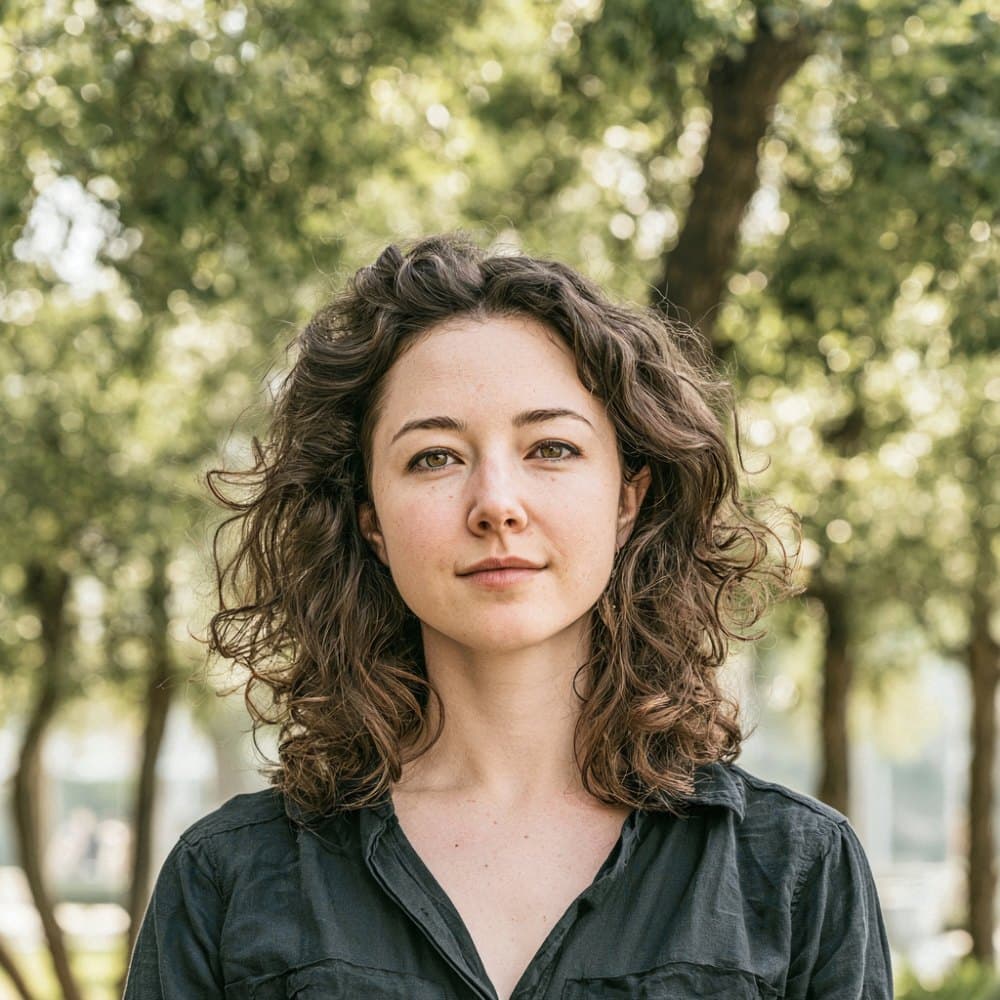
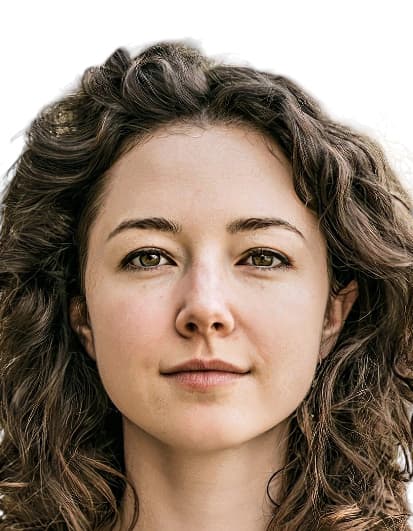
Immigration Service Delivery (ISD), part of Ireland’s Department of Justice, publishes a single photograph standard that covers every Short Stay ’C’ and Long Stay ’D’ visa. The same biometric portrait rules apply whether the application is for a tourist visit, business trip, study, employment, or to join family. ISD’s specification defines a print size window of 35 to 38 mm wide by 45 to 50 mm tall, with the face occupying 70 to 80 percent of the frame against a plain white or light grey background.
Ireland does not operate an e-visa channel. The AVATS portal handles data entry and tracking only and does not accept photo uploads, so every applicant must submit two identical physical prints with the signed summary form. Visas lodged through a VFS Global Visa Application Centre, an Irish embassy, or by post all require the same printed photographs, and biometric capture at a VAC is supplementary rather than a replacement. ISD also requires the applicant’s full name and AVATS Transaction Number to be written in block capitals on the reverse of each print.
Photos that fail the ISD standard are not usually grounds for outright refusal, but they will trigger a request for replacements and delay the decision. Common causes of return include prints older than six months, glare on glasses, hair covering the eyes, a non-neutral expression, or missing back-of-photo annotation. Submitting compliant prints the first time keeps the application moving on its original timeline.
What Immigration Service Delivery requires in an Irish visa photo
ISD publishes a single photograph standard that covers every Short Stay ’C’ and Long Stay ’D’ visa. The rules below describe what the applicant must look like in the final print.
Expression & pose
- Neutral expressionISD requires a neutral expression with no smiling, frowning, squinting, or raised eyebrows. The mouth must be closed and teeth must not be visible.
- Eyes open and visibleBoth eyes must be open, looking directly at the camera, and fully visible. No hair may fall across the eyes.
- Head straight to cameraThe applicant must face the camera squarely with the head level. ISD instructs applicants not to tilt or turn the head in any direction.
Eyewear & lenses
- Clear prescription glassesClear prescription glasses are permitted provided both eyes are fully visible and there is no glare on the lenses. Heavy frames that obscure the eyes are not acceptable.
- Sunglasses and tinted lensesSunglasses, tinted lenses, and coloured lenses are prohibited in all cases.
Hair & facial hair
- Hair away from eyesHair must not cover the eyes or eyebrows. Fringes and loose strands that fall across the face are not acceptable.
- Shadowing from hairHair should not cast shadows over the face. Pull long hair back if it would otherwise obscure facial features.
Headwear
- General ruleHats and head coverings are not permitted in Irish visa photos.
- Religious head coveringsHead coverings worn for religious reasons are accepted provided the full face from chin to forehead and from ear to ear is clearly visible with no shadows cast on the face.
Photo quality
- Shadows on the faceThe face must be evenly lit. Shadows cast by hats, hair, or strong overhead light are a common rejection reason and cannot be corrected after the fact.
- Red-eyeRed-eye is not acceptable. The photo must show natural eye colour with the pupils clearly visible.
- Current likenessPhotos must be less than six months old and must reflect the applicant’s current appearance. A significant change in appearance requires a new photo.
Prints & handling
- Two identical printsTwo identical prints on photographic paper are submitted with the application. The reverse must be white and unglazed.
- Writing on the reverseThe applicant’s full name and AVATS Visa Application Transaction Number must be written in BLOCK CAPITALS on the reverse of each photo. The transaction number is omitted for re-entry visa applications.
- No staples or gluePhotos must be submitted loose in the application envelope. They must not be stapled, glued, or paper-clipped to the application form, and the front must be free of ink marks, creases, and smudges.
Dimensions, resolution & background.
Head position & camera distance.
- Head height, measured from the bottom of the chin to the top of the head, must be between 33 mm and 36 mm (roughly 73–80% of the photo height).
- Eyes must sit between 21 mm and 25 mm from the bottom of the photo.
- The head must be centered horizontally in the frame with a small symmetrical margin on each side.
- Both shoulders must be square to the camera and visible. Three-quarter angles or rotated torsos are not accepted.
- The full face from chin to crown must be inside the frame with proper top margin.
How recent the photo must be.
Your visa photo must have been taken within the last six months. A new photo is required sooner whenever your appearance has changed in a way that makes the old photo no longer recognizable.
You need a new photo if you’ve had…
- Facial surgery or a major change to facial structure
- A significant gain or loss of weight that visibly changes your face
- Large facial tattoos or piercings added or removed
- A gender transition that has changed your appearance
You do not need a new photo just because of…
- A new hair color
- Growing or removing a beard or moustache
- Ordinary, minor aging
- A new hairstyle that still leaves the face fully visible
Photos for infants and young children.
ISD’s published rules are written generically, but enforcement practice allows narrow leniency for the youngest applicants.
Infants (under 1 year)
Babies must appear alone in the frame with the same plain background as adults. Practical leniency on expression and exact head alignment is applied at the discretion of the reviewing officer.
- Subject alone in frameNo hands, parents, siblings, toys, pacifiers, or bottles may appear in the photo. The infant must be the only subject visible.
- Acceptable positioningAn infant may be photographed lying flat on a plain white or light grey sheet, or seated in a car seat draped with one, to keep the background uniform.
- Mouth must be visiblePacifiers and dummies must be removed so the mouth is clearly visible. A perfectly neutral expression is not required.
- Eyes where possibleEyes should be open and looking toward the camera where the child’s age allows. Modest deviation is tolerated for very young babies.
Other things to know.
A few procedural quirks set the Irish visa photo apart from comparable European specs.
AVATS is not an e-visa
The AVATS portal handles data entry and tracking only. It does not accept photo uploads, and Ireland does not issue digital e-visas. Two physical prints are required for every application.
Mandatory back-of-photo annotation
ISD requires the applicant’s name and AVATS transaction number written in block capitals on the reverse of each print. Older VFS instructions that say not to write on the back are out of date; follow ISD.
Flexible print dimensions
ISD publishes a size range of 35 to 38 mm wide by 45 to 50 mm tall rather than a single fixed size. Schengen-standard 35 by 45 mm prints are accepted, and slightly larger prints up to 38 by 50 mm are equally valid.
Biometrics do not replace prints
Visa Application Centres in China, Hong Kong, India, Nigeria, Pakistan and other posts capture fingerprints and a live facial image during the appointment. This is supplementary. The two printed photos are still required with the application.
Take your Ireland visa photo at home in three steps.
Plus a human layer. Your files are ready the moment the automatic checks pass — and a real passport-photo specialist also reviews each one, usually within minutes, touching up small issues or flagging anything that needs your attention.
Free to check, and reviewed by a real expert. You only pay when you keep it.
Print-quality requirements for in-person submissions.
When you submit a printed photo at a visa application centre, the paper, finish, and ink all matter. The points below cover the standards most consular missions accept.
- Print on photographic-quality paper at 300 DPI minimum.
- Use a matte or semi-gloss finish; high-gloss can produce reflections that confuse biometric scanners.
- Do not retouch, crop, or alter the photo after printing.
- Bring at least two identical prints when the submission channel calls for paper photos.