
Croatia visa photos under the Ministry of Foreign and European Affairs (MVEP)
Croatian visa photos are governed by the Ministarstvo vanjskih i europskih poslova (MVEP), the Ministry of Foreign and European Affairs. Since Croatia joined the Schengen Area on 1 January 2023, the same 35×45 mm specification applies uniformly across airport transit (Type A), short-stay Schengen (Type C), and long-stay national (Type D) visas. Applications are filed on paper at a Croatian embassy, consulate, or a VFS Global Visa Application Centre.
There is no e-visa portal and no digital photo upload. The crovisa.mvep.hr site only generates a printable PDF, and the physical photograph must be glued (not stapled) onto the printed form before submission. At the appointment, consular or VFS staff also take a separate live capture for the Visa Information System, but that does not replace the printed photo on file.
MVEP applies admissibility checks strictly. A photo that fails the size, framing, expression, or background rules will see the application returned as inadmissible, forcing a fresh appointment and a fresh fee. Following the published spec exactly is the difference between a clean intake and a wasted trip to the consulate.
Croatia visa photo requirements at a glance
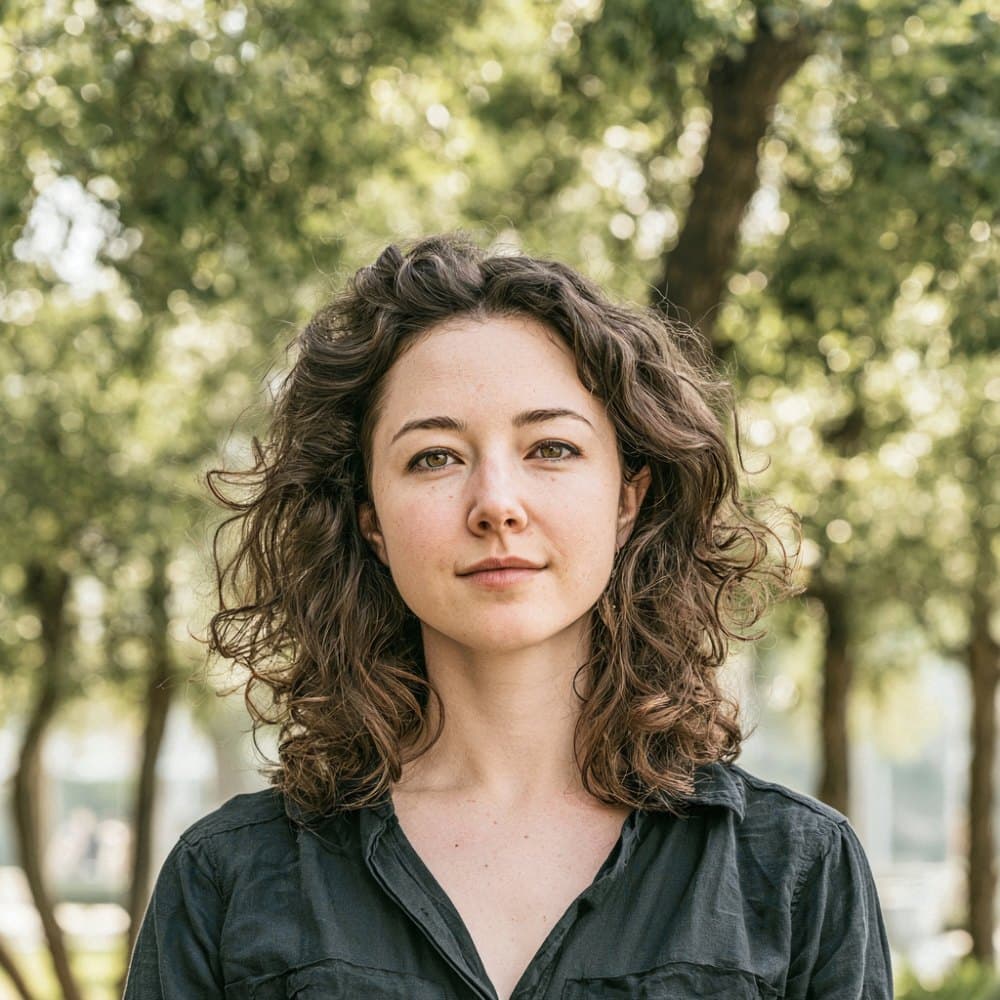
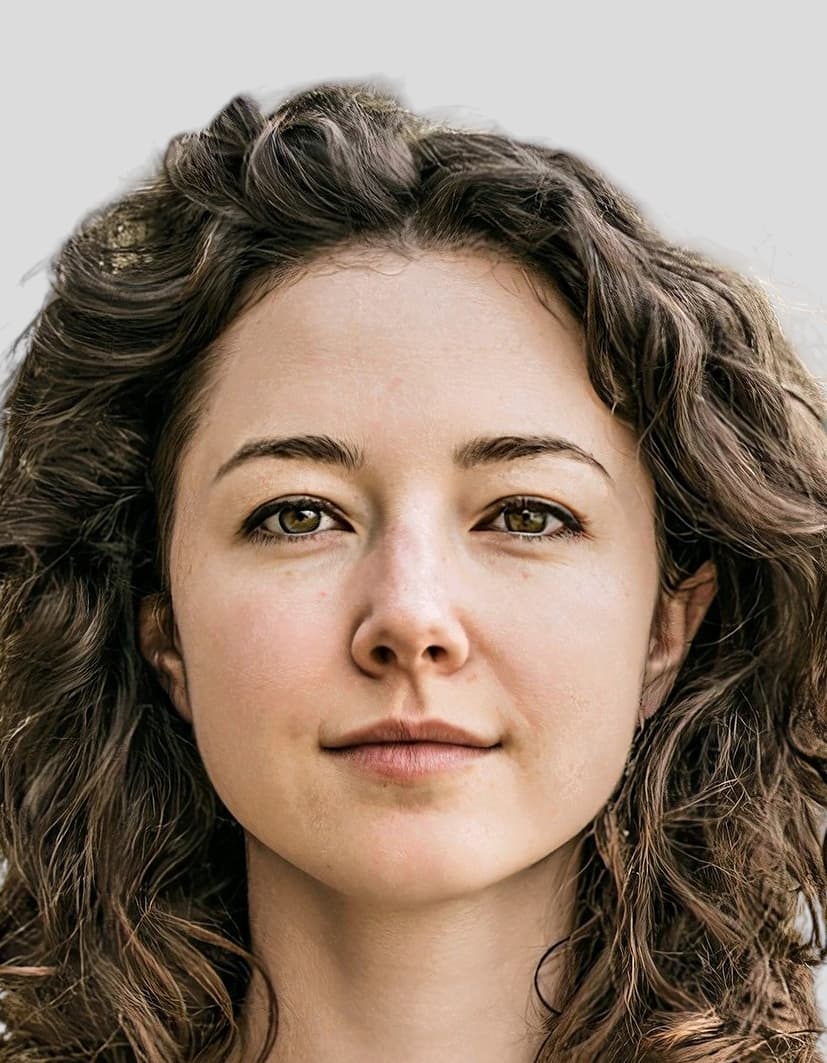
The Ministry of Foreign and European Affairs (MVEP) enforces Schengen-aligned subject rules for every Type A, C, and D visa photo. Here is what the applicant in the frame must get right.
Expression & pose
- Neutral expressionMVEP requires a neutral facial expression with the mouth closed. No smiling, no raised eyebrows, and no visible teeth.
- Eyes open and visibleBoth eyes must be fully open and looking straight at the camera. Hair and eyeglass frames must not cover the eyes.
- Head facing forwardThe head must be presented frontally and centred, with no tilting, turning, or looking over the shoulder. The nose should sit on the photo’s vertical centre line.
Eyewear & lenses
- Prescription glassesGlasses are tolerated only when worn for medical reasons. Lenses must be completely clear with no glare or reflections, and frames must not cover any part of the eyes.
- Tinted lenses & sunglassesTinted lenses, transition lenses, and sunglasses are not accepted by MVEP or VFS Global under any circumstances.
Hair & facial hair
- Hair off the faceHair must not cover the eyes or fall across the eyebrows. Both edges of the face should be clearly visible.
- Forehead visibilityThe forehead must remain visible. Heavy bangs that obscure the brow line are a documented rejection reason.
Headwear
- Religious or medical onlyHats, caps, and other headwear are prohibited unless worn for religious or medical reasons. When permitted, the covering must not cast shadows across the face.
- Face fully exposedEven with permitted headwear, the forehead, cheeks, and chin must remain fully visible from the bottom of the chin to the top of the forehead.
Jewelry & cosmetics
- Minimal jewelryJewelry should be minimal and non-reflective. Pieces that obscure facial features or produce glare under flash are not accepted.
- Natural appearanceMakeup must keep a natural appearance. Heavy cosmetics that alter or disguise biometric features will be flagged at the admissibility check.
Clothing
- Everyday clothingWear ordinary, daily clothing that contrasts with the light background. Very pale or white tops are discouraged because they merge with the backdrop.
- Uniforms prohibitedMilitary, police, and other uniforms are not accepted. Religious dress is the only exemption to this rule.
Photo quality
- No red-eyeRed-eye is a hard rejection trigger. Eyes must show their natural colour.
- Even facial lightingShadows on the face or cast by headwear onto the cheeks and chin will fail the MVEP admissibility check.
- Print mediumThe final photo must be printed on high-quality glossy or smooth photographic paper. Standard office or inkjet paper is rejected, as are creased, smudged, or stapled prints.
Dimensions, resolution & background.
Head position & camera distance.
- Head height, measured from the bottom of the chin to the top of the head, must be between 33 mm and 36 mm (roughly 73–81% of the photo height).
- Eyes must sit between 21 mm and 25 mm from the bottom of the photo.
- The head must be centered horizontally in the frame with a small symmetrical margin on each side.
- Both shoulders must be square to the camera and visible. Three-quarter angles or rotated torsos are not accepted.
- The full face from chin to crown must be inside the frame with proper top margin.
How recent the photo must be.
Your visa photo must have been taken within the last six months. A new photo is required sooner whenever your appearance has changed in a way that makes the old photo no longer recognizable.
You need a new photo if you’ve had…
- Facial surgery or a major change to facial structure
- A significant gain or loss of weight that visibly changes your face
- Large facial tattoos or piercings added or removed
- A gender transition that has changed your appearance
You do not need a new photo just because of…
- A new hair color
- Growing or removing a beard or moustache
- Ordinary, minor aging
- A new hairstyle that still leaves the face fully visible
Photos for infants and young children.
MVEP relaxes a small number of pose and expression rules for younger applicants. Print size, background, and lighting requirements stay identical to the adult spec.
Infants (under 12 months)
Babies under one year receive the widest set of relaxations, but they must still appear alone in the frame.
- Eyes may be closedInfants under one year are not required to have their eyes open. A natural, calm expression is accepted.
- Relaxed head positionSmall deviations from a perfectly frontal pose are tolerated, provided the full face remains visible to the camera.
- Child alone in frameNo hands, parents, toys, pacifiers, blankets, or chair backs may appear in the photo. The infant must be the only subject.
Children (1 to 9 years)
Strict neutral-expression and direct-gaze rules are relaxed for children under ten, but the face must still be fully visible.
- Expression flexibilityA perfectly neutral expression is not required. A relaxed mouth is accepted as long as the face remains clearly visible.
- Eyes open and visibleBoth eyes must be open and looking toward the camera. Hair must not obscure the eyes.
- Photographed aloneNo other person, hand, or supporting object may appear in the photo, including a parent’s arm holding the child.
Other things to know.
Croatia’s visa photo channel has a few unusual features that catch first-time applicants out.
No digital photo upload
Croatia does not operate an e-visa system. The crovisa.mvep.hr portal generates a printable PDF form only; there is no image upload step. A physical 35x45 mm print must accompany every application.
Glue the photo, do not staple
The printed photo must be glued into the designated box on the crovisa.mvep.hr form. Staples, paperclips, or tape that damage the print render the application inadmissible at the consulate intake.
Dual photo collection
At the VFS Global visa application centre or consulate, staff also take a live webcam capture for the Visa Information System. The physical print is still required for the paper file and is not replaced by the live capture.
Bring a spare print
VFS centres routinely recommend bringing a second loose 35x45 mm print as backup in case the glued photo is damaged during intake or fails the admissibility check on first inspection.
Take your Croatia visa photo at home in three steps.
Plus a human layer. Your files are ready the moment the automatic checks pass — and a real passport-photo specialist also reviews each one, usually within minutes, touching up small issues or flagging anything that needs your attention.
Free to check, and reviewed by a real expert. You only pay when you keep it.
Print-quality requirements for in-person submissions.
When you submit a printed photo at a visa application centre, the paper, finish, and ink all matter. The points below cover the standards most consular missions accept.
- Print on photographic-quality paper at 300 DPI minimum.
- Use a matte or semi-gloss finish; high-gloss can produce reflections that confuse biometric scanners.
- Do not retouch, crop, or alter the photo after printing.
- Bring at least two identical prints when the submission channel calls for paper photos.