
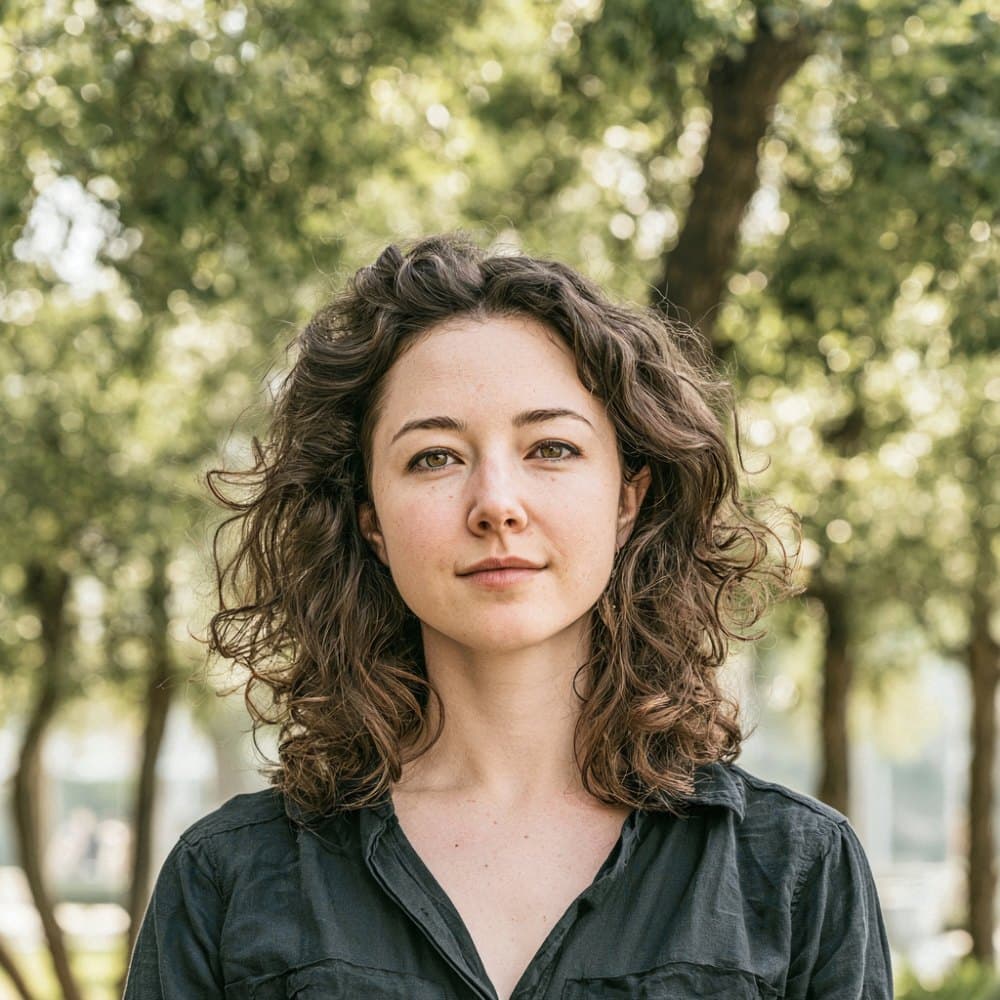
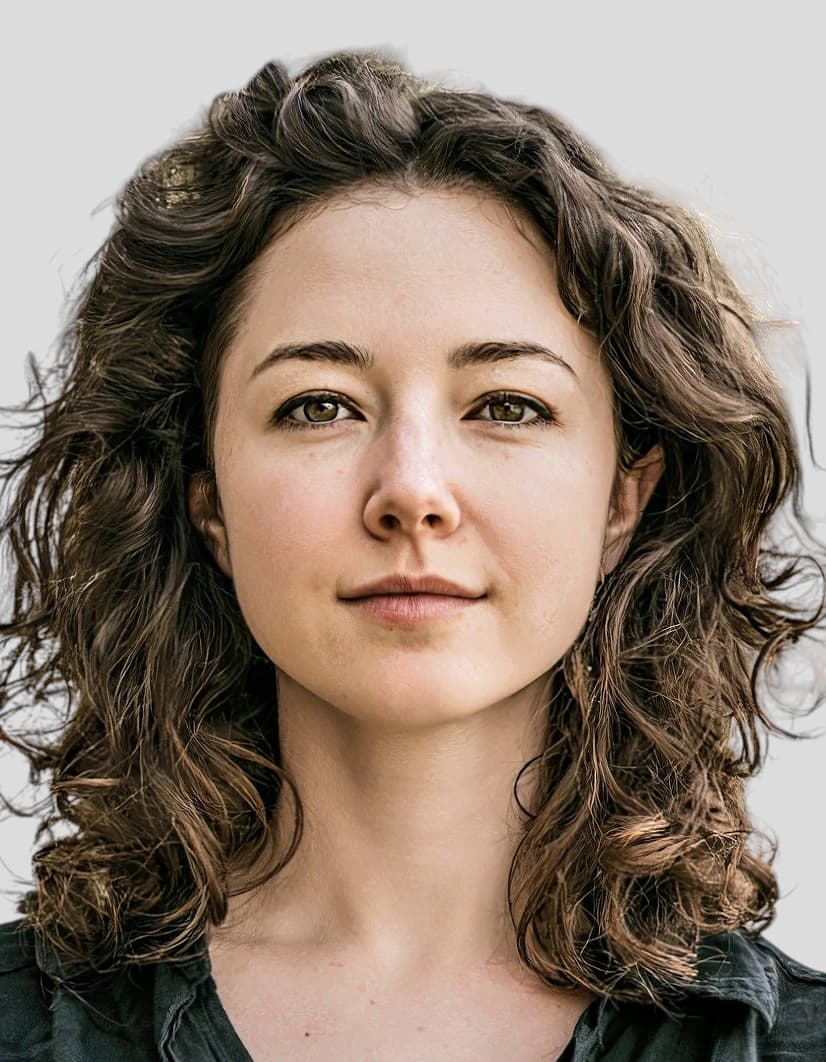
Croatia passport photos follow the Croatian Ministry of the Interior standard
Croatia issues its national biometric passport through the Ministry of the Interior (Ministarstvo unutarnjih poslova, MUP). The photograph specification follows the Schengen-aligned standard built on ICAO Document 9303, with a printed size of 35 by 45 millimetres and a head height that occupies roughly 70 to 80 percent of the frame. The same photograph specification governs the Croatian national identity card (osobna iskaznica) and Schengen visa applications processed by Croatian consular posts.
MUP requires a recent photograph (no older than six months) that accurately reflects the applicant’s current appearance, taken straight on, with a neutral expression, a closed mouth, and a plain light background. Since Croatia’s accession to the Schengen Area, the captured facial image is also enrolled as the primary biometric identifier read at external Schengen border crossings through the Entry/Exit System.
Photographs that fail to meet the published specification are rejected at the counter, which delays issuance of the passport and forces a return visit to the police administration office handling the application. Enforcement of the technical rules has tightened across the Schengen area, so a compliant photograph is the simplest way to keep the application on schedule.
Subject requirements for a Schengen-standard passport photo
The Schengen photo specification follows ICAO Document 9303 and is implemented identically by every member state issuing authority. The rules below describe how you must appear in the frame.
Expression & pose
- Neutral expressionHold a relaxed, neutral expression with no smile, frown, or raised eyebrows. The mouth must be fully closed and teeth must not be visible.
- Eyes open and visibleBoth eyes must be fully open and looking directly into the camera. Hair, eyelashes, or frames must not cover the pupils or iris.
- Frontal head positionFace the camera squarely with no tilt, turn, or rotation of the head. Three-quarter and over-the-shoulder poses are rejected.
- Level shouldersKeep both shoulders square to the camera and level. The top of the shoulders should be visible in the frame.
Eyewear & lenses
- EyeglassesRemoving glasses is strongly recommended. If worn, lenses must be completely clear with no glare or reflection, and frames must not cover any part of the eyes.
- Tinted and photochromic lensesTinted lenses, photochromic or transition lenses in a darkened state, and sunglasses are prohibited.
- Heavy framesThick or heavy frames that obscure the eyes or cast shadows on the face are not accepted.
- Contact lensesClear corrective contact lenses are permitted. Coloured or decorative cosmetic lenses that alter the natural appearance of the iris are prohibited.
Hair & facial hair
- Face must remain visibleHair must not cover the eyes, eyebrows, or the edges of the face. The full width of the jawline and cheekbones must be visible.
- Fringes and bangsFringes are acceptable provided they do not touch or cover the eyes or eyebrows.
- Voluminous hairstylesHair may extend above the head provided the full crown of the skull remains within the frame and the face still occupies the required proportion of the image.
- Wigs and hairpiecesWigs are permitted only when they represent the applicant’s usual daily appearance or are worn for documented medical reasons.
Headwear
- General ruleHats, caps, and other head coverings are not permitted. The head must be uncovered in the photograph.
- Religious and medical exceptionsHead coverings worn for religious observance or documented medical reasons are accepted provided the full face is visible from the bottom of the chin to the top of the forehead and both edges of the face are clear.
- Permitted headwear appearanceAny accepted head covering must be a single plain colour with no patterns or embroidery and must not cast shadows on the face.
Jewellery & accessories
- Earrings and necklacesDiscreet jewellery is permitted. Large or reflective earrings and necklaces that cover the jawline or create glare should be removed.
- Facial piercingsSmall, flat facial piercings are generally accepted. Items that reflect light or obscure facial features must be removed.
- Headphones and earbudsHeadphones, earbuds, and any wireless or wired listening devices are prohibited in the photograph.
- Hair accessoriesVisible scrunchies, bows, large clips, and similar accessories should be removed to avoid altering the apparent shape of the head.
Cosmetics
- Natural appearanceMakeup must reflect the applicant’s everyday appearance and preserve natural skin tone.
- Heavy contouringHeavy contouring that alters the perceived shape of the cheekbones, nose, or jawline is not accepted because it interferes with biometric matching.
- False eyelashesDramatic or oversized false eyelashes are prohibited. Lashes must not obscure the eyes.
Clothing
- Everyday clothingWear ordinary civilian clothing. Medium to dark tones are recommended so the subject is clearly distinguished from the light background.
- Uniforms prohibitedMilitary, police, airline, and other uniforms, including camouflage patterns, are not accepted.
- ModestyBare shoulders and deep necklines should be avoided so that the subject does not appear unclothed within the cropped frame.
- Religious dressReligious garments are accepted provided the full face remains visible and no shadows are cast on the face.
Photo quality
- No shadows on the faceThe face must be evenly lit with no harsh shadows under the nose, eyes, or chin.
- No red-eyeRed-eye is not accepted and must be avoided at the moment of capture rather than corrected afterwards.
- Sharp focusThe subject must be in sharp focus with no motion blur from movement during capture.
- Natural skin toneSkin tone must accurately reflect the applicant’s natural pigmentation.
Dimensions, resolution & background.
Head position & camera distance.
- Head height, measured from the bottom of the chin to the top of the head, must be between 32 mm and 36 mm (roughly 70–80% of the photo height).
- Eyes must sit between 28 mm and 32 mm from the bottom of the photo.
- Top margin (from the top of the head to the top edge): 2–3 mm.
- The head must be centered horizontally in the frame, with a small symmetrical margin on each side.
- Shoulders must be square to the camera and both visible. No three-quarter angles or rotated torso.
- The full face, from chin to crown, must be inside the frame with proper top margin.
How recent the photo must be.
Your passport photo must have been taken within the last six months. A new photo is required sooner whenever your appearance has changed in a way that makes the old photo no longer recognizable.
You need a new photo if you’ve had…
- Facial surgery or a major change to facial structure
- A significant gain or loss of weight that visibly changes your face
- Large facial tattoos or piercings added or removed
- A gender transition that has changed your appearance
You do not need a new photo just because of…
- A new hair color
- Growing or removing a beard or moustache
- Ordinary, minor aging
- A new hairstyle that still leaves the face fully visible
Photos for infants and young children.
The issuing authority applies relaxed criteria for younger applicants, recognising the difficulty of capturing a fully compliant photo of an infant or small child.
Infants under 1 year
The strictest rules on expression, gaze, and pose are waived for infants.
- EyesThe eyes do not need to be fully open.
- MouthThe mouth may be open and a fully neutral expression is not required.
- Head supportThe head may be supported by hands provided the supporting hands are completely invisible in the final photograph.
- Alternative capture positionThe infant may be photographed lying on a plain light grey blanket from directly above, or seated in a car seat covered with a plain light grey cloth.
- No pacifiers or toysPacifiers, dummies, toys, and other objects must not be visible in the frame.
Children under 6
Young children are given latitude on expression and gaze.
- ExpressionA strictly neutral expression is not required.
- GazeThe child should face forward but does not need to look directly into the camera lens.
- Head positionA minor head tilt is acceptable provided the full face remains visible.
Children under 10
Older children must meet the adult rules with one proportional allowance.
- Head heightThe head height requirement is relaxed so the face may occupy a smaller proportion of the frame than is required for adults.
- All other rulesExpression, gaze, pose, and accessory rules follow the adult standard.
Country-specific details to know.
A few features of the Schengen photo specification cause more rejections than others. Knowing them in advance prevents wasted submissions.
ICAO 9303 alignment
The specification is the European implementation of ICAO Document 9303, the international standard for machine readable travel documents. A correctly produced Schengen photo is therefore portable across passport, national identity card, residence permit, and Schengen visa applications.
Six month recency rule
The photograph must have been taken within the last six months and must reflect your current appearance. Significant changes such as new facial tattoos, major weight change, or a dramatic change in hairline require a new photo even within that window.
Crown of the skull, not the hair
Head height is measured from the bottom of the chin to the top of the skull, not to the top of voluminous hair. Tall or styled hair that pushes the crown out of the frame is a frequent cause of rejection.
Biometric border matching
Since the Entry/Exit System became operational in October 2025, photographs are matched digitally at external Schengen borders. Subject-side compliance with pose, expression, and eyewear rules now matters more than ever for smooth crossings.
As easy as snap, upload, done.
You take a quick picture. We do the spec work and tell you immediately if anything needs a retake.
Plus a human layer. Your files are ready the moment the automatic checks pass — and a real passport-photo specialist also reviews each one, usually within minutes, touching up small issues or flagging anything that needs your attention.
Free to check, and reviewed by a real expert. You only pay when you keep it.
Print & paper standards.
If you submit a printed photo with a paper application, the print itself has to meet acceptance-facility standards in addition to the rules above.
- High-quality photographic paper with a matte finish.
- Inkjet printing is not accepted. Use a professional photo lab.
- No visible pixels, banding, dithering, or printer artifacts.
- The print must be undamaged: no creases, holes, smudges, staples, or pinholes.
- 2 identical prints are required.