

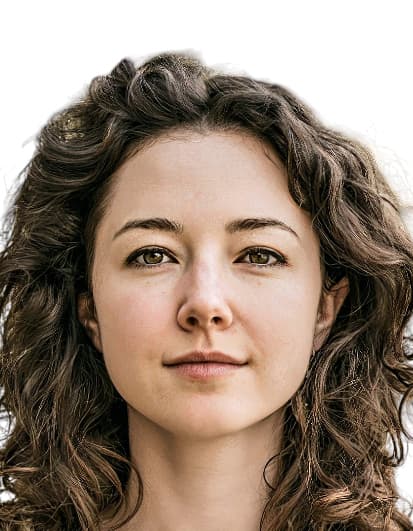
Egypt visa photos and the Ministry of Foreign Affairs standard
Egypt visa photos are governed by the Ministry of Foreign Affairs of the Arab Republic of Egypt and the consular network that processes applications abroad. There is no single global print size: the consulate in London and most VFS Global and TLScontact intake centres require a 35×45 mm photo, while Egyptian embassies and consulates in the United States require a 2×2 inch (51×51 mm) print. A narrower TLScontact biometric format at 50×50 mm applies to certain ’Visit’ categories in jurisdictions such as Belgium.
Submission channels are equally fragmented. Sticker visas are handled by direct embassy or consulate intake, by VFS Global, or by TLScontact, with the photo stapled to the application form and a second identical print supplied alongside it. The official Egypt e-Visa portal at visa2egypt.gov.eg does not accept a standalone face photo at all; applicants upload only a scan of the passport biographical page. Travellers eligible for visa on arrival do not submit a photo.
Photos must be recent, taken within the last six months, with a tighter three-month window applied when TLScontact is the intake operator. Prints that fail to meet the issuing consulate’s framing, background, or recency rules are returned with the application, which delays processing and, for time-sensitive travel, can mean a missed entry date.
What the Egyptian visa photo must show
Subject rules published by the Ministry of Foreign Affairs, VFS Global Egypt, and TLScontact. Follow these whether you submit to a consulate, a visa application centre, or by mail.
Expression & pose
- Neutral expressionKeep a neutral expression with the mouth closed. Smiling, showing teeth, frowning, or any exaggerated facial expression is not accepted.
- Face the cameraLook straight ahead with the full face squared to the camera. Profile shots, three-quarter angles, and a tilted head are rejected.
- Eyes open and visibleBoth eyes must be open and clearly visible. Eyes should not be closed, squinting, or partially covered.
Eyewear & lenses
- Prescription glassesVFS Global Egypt tolerates clear prescription glasses provided there is no glare on the lenses, no tint, and the frames do not obscure the eyes. Removing glasses for the photo is the safest option.
- Sunglasses and tinted lensesSunglasses, tinted lenses, and coloured contact lenses that alter eye colour are not accepted.
Hair & face
- Hair off the faceHair must not fall across the eyes or obscure the outline of the face. Style longer hair behind the shoulders or tucked back so the full face is visible.
- Facial visibilityThe face must be fully visible from the chin to the top of the forehead. Nothing should cover or shadow the facial features.
Headwear
- Hats and capsHats, caps, headbands, and other non-religious head coverings are prohibited.
- Religious head coveringsReligious headwear is permitted provided it does not cast shadows on the face and the full facial outline from chin to forehead remains visible.
Clothing & accessories
- Everyday clothingWear ordinary street clothes. Uniforms, including military and airline uniforms, are not accepted. Avoid white tops, which blend into the required white background.
- Jewelry and cosmeticsKeep jewelry minimal and cosmetics natural so that facial features are not obscured or altered.
Photo condition
- RecencyThe photo must have been taken within the last six months. Applications routed through TLScontact require a photo taken within the last three months.
- Undamaged printsPrinted photos must be clean and undamaged, with no creases, marks, tears, or staple holes through the face.
- Number of copiesMost channels require two identical prints. Embassy submissions in some jurisdictions ask for one stapled to the application and a second affixed to the duplicate form.
Dimensions, resolution & background.
Head position & camera distance.
- Head height, measured from the bottom of the chin to the top of the head, must be between 32 mm and 35.4 mm (roughly 71–79% of the photo height).
- Eyes must sit between 23.2 mm and 27.8 mm from the bottom of the photo.
- The head must be centered horizontally in the frame with a small symmetrical margin on each side.
- Both shoulders must be square to the camera and visible. Three-quarter angles or rotated torsos are not accepted.
- The full face from chin to crown must be inside the frame with proper top margin.
Egypt accepts more than one size — we generate them all.
Egypt publishes more than one acceptable format depending on where you submit your application — domestic passport offices, the official online portal, and regional consulates abroad can each call for a different print or pixel size. We render every variant below from the same source photo, so the head sits at the same physical position across files, and each one arrives in your order email with a clear filename indicating which submission channel it's for.
Egypt Visa 35×45 mm
Primary specEgypt's recommended print format — accepted at most in-country submissions and the default we render first.
Egypt Visa 2×2 in — US embassy/consulate
Consular printPrint size accepted by select consular missions abroad.
Egypt Visa 50×50 mm — TLScontact biometric
Consular printAlternate accepted size — printable for in-person submissions.
How recent the photo must be.
Your visa photo must have been taken within the last six months. A new photo is required sooner whenever your appearance has changed in a way that makes the old photo no longer recognizable.
You need a new photo if you’ve had…
- Facial surgery or a major change to facial structure
- A significant gain or loss of weight that visibly changes your face
- Large facial tattoos or piercings added or removed
- A gender transition that has changed your appearance
You do not need a new photo just because of…
- A new hair color
- Growing or removing a beard or moustache
- Ordinary, minor aging
- A new hairstyle that still leaves the face fully visible
Other things to know.
A few quirks of the Egyptian visa channel are worth knowing before you apply.
Print size depends on jurisdiction
Egypt does not maintain a single global print size. Applications to Egyptian embassies and consulates in the United States take a 2 x 2 inch (51 x 51 mm) photo. Applications in the UK, EU, India, and most VFS Global posts take a 35 x 45 mm photo. Always check the spec your local consulate publishes.
TLScontact biometric variant
The TLScontact "Visit" category in some jurisdictions, such as Belgium, requires a 50 x 50 mm biometric-standard photo instead of the usual 35 x 45 mm. Applicants going through TLScontact should confirm which size their category demands.
e-Visa has no photo upload
The official Egypt e-Visa portal at visa2egypt.gov.eg does not accept a standalone face photo. Applicants upload only a scan of the passport biographical page. A printed visa photo is still useful in case requirements change or onward documents request one.
Stricter TLScontact recency
Most Egyptian channels accept photos up to six months old, but TLScontact intake requires a photo taken within the last three months. Retake an older photo before submitting through TLScontact even if it would pass at a direct consulate.
Take your Egypt visa photo at home in three steps.
Plus a human layer. Your files are ready the moment the automatic checks pass — and a real passport-photo specialist also reviews each one, usually within minutes, touching up small issues or flagging anything that needs your attention.
Free to check, and reviewed by a real expert. You only pay when you keep it.
Print-quality requirements for in-person submissions.
When you submit a printed photo at a visa application centre, the paper, finish, and ink all matter. The points below cover the standards most consular missions accept.
- Print on photographic-quality paper at 300 DPI minimum.
- Use a matte or semi-gloss finish; high-gloss can produce reflections that confuse biometric scanners.
- Do not retouch, crop, or alter the photo after printing.
- Bring at least two identical prints when the submission channel calls for paper photos.