
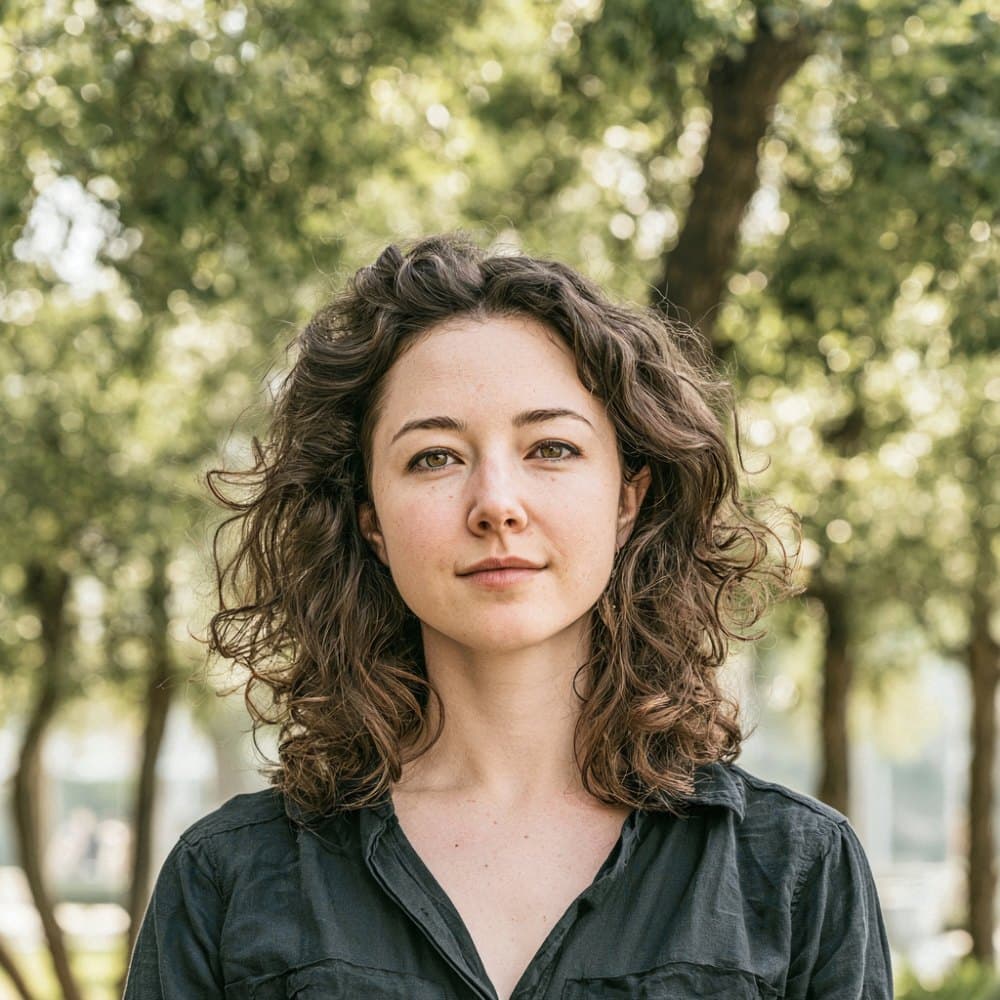
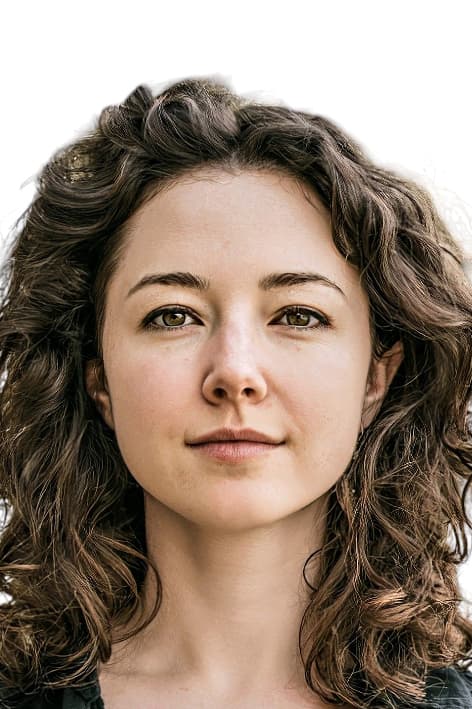
Egyptian passport photos issued under the Ministry of Interior standard
Egyptian passport photographs are governed by the Ministry of Interior through the Passports, Emigration and Nationality Administration (APEN), which sets a 40×60 mm print on a pure white background as the statutory format. The same 40×60 mm specification applies to the Egyptian national ID card (Bitaqa), so a compliant passport photo can generally serve both documents. Applications are paper-based, and three identical prints must be submitted with each passport request.
Consular officers and APEN reviewers enforce the spec strictly. The most common rejection at Egyptian consulates is the so-called white shirt trap, where a light-colored top blends into the white background and the subject appears as a floating head. Other recurring failures involve glasses with glare, non-neutral expressions, and head coverings that obscure the full facial oval from the chin to the top of the forehead. A rejected photo means a returned application and a delayed passport, so the safer path is to meet APEN requirements on the first submission.
Egyptian passport photo requirements
The Ministry of Interior expects a neutral, fully frontal portrait with the entire facial oval visible. The rules below cover how the subject must appear in the final photo.
Expression & pose
- Neutral expressionThe face must be relaxed and neutral. Smiling, frowning, and exaggerated expressions are rejected by the Passports, Emigration and Nationality Administration.
- Mouth closedLips must be closed with no visible teeth.
- Eyes open and visibleBoth eyes must be fully open and looking directly at the lens. Hair, frames, and headwear must not obscure either eye.
- Square to the cameraFace the camera directly with both sides of the face equally visible. Tilting or turning the head is not accepted, and over-the-shoulder portrait poses are prohibited.
- Shoulders visibleBoth shoulders must be square to the camera and included in the frame.
Eyewear & lenses
- EyeglassesGlasses are not permitted in Egyptian passport photos. Medical exceptions require documentation; even then frames must not cross the eyes and lenses must show no glare or tint.
- Sunglasses and tinted lensesSunglasses and any tinted or photochromic lenses are prohibited.
- Contact lensesClear prescription contact lenses are accepted. Cosmetic or colour-changing contact lenses are not permitted.
Hair & facial hair
- Face must remain visibleHair must not cover the eyes or eyebrows and must not cast shadows across the face.
- Bangs and fringesBangs are permitted provided they sit above the eyebrows and leave the eyes fully visible.
- Wigs and hairpiecesWigs and hairpieces are accepted when worn daily and when they do not alter the natural facial outline.
- Hair accessoriesDecorative hair accessories — bows, clips, scrunchies, and visible bands — are not permitted. Plain, invisible ties used purely to hold hair back are accepted.
Headwear
- Fashion and casual hatsCaps, hats, and other non-religious headwear are prohibited.
- Religious head coveringsHijab and equivalent religious head coverings are fully accepted. The entire facial oval from the bottom of the chin to the top of the forehead must remain visible.
- Niqab and face veilsAny covering over the mouth, nose, or chin must be removed before the photo is taken.
- Medical headwearHeadwear worn for medical reasons is accepted when accompanied by a signed statement from a treating physician.
- Shadows from headwearHead coverings must not cast shadows on the face. Darker fabrics are preferred since the background is white.
Jewelry & accessories
- EarringsSmall studs and similar discreet earrings are accepted. Large or dangling earrings that touch the jawline or cast shadows are not permitted.
- NecklacesSimple necklaces are accepted provided they do not produce glare.
- Facial piercingsFacial piercings are accepted when they do not obscure facial features or reflect light into the camera.
- Headphones and earbudsHeadphones, earbuds, and similar wearable devices must be removed before the photo is taken.
Cosmetics
- Everyday makeupOnly natural, everyday makeup is accepted. Natural skin tone must be preserved in the final image.
- Heavy contouringContouring that alters the apparent shape of the nose, jaw, or cheekbones is not permitted because it interferes with biometric matching.
- False eyelashesFalse eyelashes are not permitted.
Clothing
- Civilian clothingEveryday civilian clothing is required.
- UniformsMilitary, police, aviation, and other occupational uniforms are prohibited.
- Tops that contrast with the backgroundMid-tone or dark tops are strongly advised. White tops blend into the white background and are the most common reason Egyptian consular officers reject a photo.
- Religious dressReligious dress is accepted provided the full facial oval remains visible.
Photo quality
- Shadows on the faceThe face must be free of heavy shadows, including shadows cast by hat brims, head coverings, or one-sided lighting.
- Motion blurThe subject must remain still during capture. Photos with motion blur on the face are not accepted.
- Red-eyeRed-eye must be avoided at the moment of capture. Digital red-eye correction is not permitted, so a fresh photo is required when it occurs.
Dimensions, resolution & background.
Head position & camera distance.
- Head height, measured from the bottom of the chin to the top of the head, must be between 36 mm and 40 mm (roughly 60–66% of the photo height).
- Top margin (from the top of the head to the top edge): 5–7 mm.
- The head must be centered horizontally in the frame, with a small symmetrical margin on each side.
- Shoulders must be square to the camera and both visible. No three-quarter angles or rotated torso.
- The full face, from chin to crown, must be inside the frame with proper top margin.
Egypt accepts more than one size — we generate them all.
Egypt publishes more than one acceptable format depending on where you submit your application — domestic passport offices, the official online portal, and regional consulates abroad can each call for a different print or pixel size. We render every variant below from the same source photo, so the head sits at the same physical position across files, and each one arrives in your order email with a clear filename indicating which submission channel it's for.
Egypt Passport 40×60 mm
Primary · Print + DigitalEgypt's official format — the same file works for both printed in-person submissions and the online portal upload.
Egypt Passport 2×2 in — from US consulate
Print + DigitalPrint size accepted by US-based consular missions for applicants in the United States.
How recent the photo must be.
Your passport photo must have been taken within the last six months. A new photo is required sooner whenever your appearance has changed in a way that makes the old photo no longer recognizable.
You need a new photo if you’ve had…
- Facial surgery or a major change to facial structure
- A significant gain or loss of weight that visibly changes your face
- Large facial tattoos or piercings added or removed
- A gender transition that has changed your appearance
You do not need a new photo just because of…
- A new hair color
- Growing or removing a beard or moustache
- Ordinary, minor aging
- A new hairstyle that still leaves the face fully visible
Photos for infants and young children.
Egypt does not codify detailed age brackets, but the Passports, Emigration and Nationality Administration applies recognised leniencies for infants.
Infants (0–11 months)
The neutral-expression and direct-gaze rules are relaxed for infants who cannot yet hold a steady pose.
- ExpressionA neutral expression is not required. The mouth may be open.
- EyesClosed eyes are accepted for sleeping infants.
- Gaze directionThe infant does not need to look directly into the lens.
- Support surfaceThe infant may be laid on a plain white sheet or placed in a car seat covered with a plain white cloth.
- No other people or propsNo hands, arms, toys, pacifiers, or other people may appear anywhere in the frame.
Children (1–15 years)
Standard adult rules apply, with practical leniency on perfect neutrality.
- Eyes openBoth eyes must be open and visible.
- Mouth closedThe mouth must be closed with no visible teeth.
- Face centredThe child must face the camera with the head upright and both shoulders visible.
Country-specific details to know.
A few Egypt-specific quirks are worth knowing before submitting an application.
White-shirt trap
White tops are the single most common reason Egyptian consular staff reject a photo. Because the background is pure white, a white shirt produces a floating-head effect and obscures the shoulder line. Choose a mid-tone or dark top.
Niqab removal
Hijab is fully accepted, but any veil that covers the mouth, nose, or chin must be removed for the photo. The complete facial oval from chin to forehead must be visible.
Photo recency
Photos must have been taken within the previous six months. A new photo is required after significant facial surgery, the addition or removal of prominent facial tattoos, or gender transition.
Print copies submitted
Egyptian passport applications are paper-based. Three identical printed photos are submitted with the application, and the back of each print must remain blank.
As easy as snap, upload, done.
You take a quick picture. We do the spec work and tell you immediately if anything needs a retake.
Plus a human layer. Your files are ready the moment the automatic checks pass — and a real passport-photo specialist also reviews each one, usually within minutes, touching up small issues or flagging anything that needs your attention.
Free to check, and reviewed by a real expert. You only pay when you keep it.
Print & paper standards.
If you submit a printed photo with a paper application, the print itself has to meet acceptance-facility standards in addition to the rules above.
- Photographic paper (matte or glossy finish).
- Inkjet printing is not accepted. Use a professional photo lab.
- No visible pixels, banding, dithering, or printer artifacts.
- The print must be undamaged: no creases, holes, smudges, staples, or pinholes.
- Do not write on the back of the photo.
- 3 identical prints are required.