
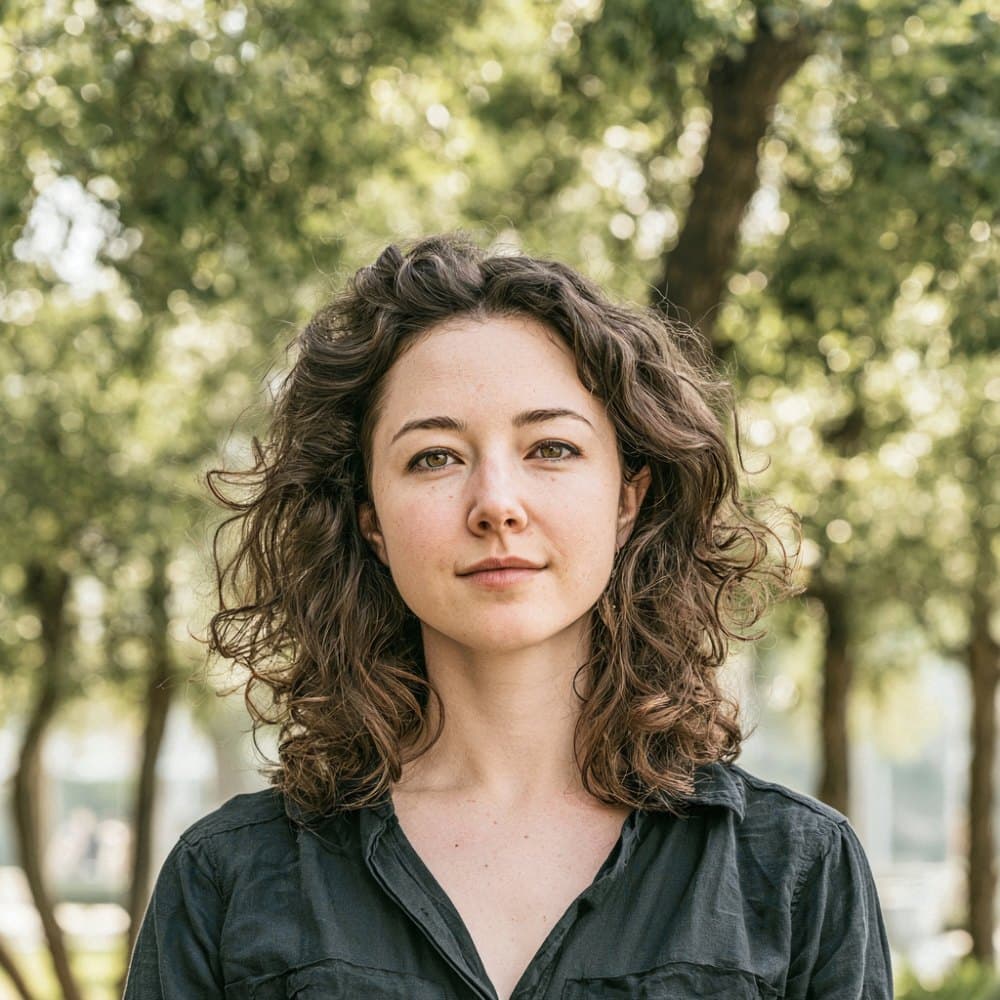
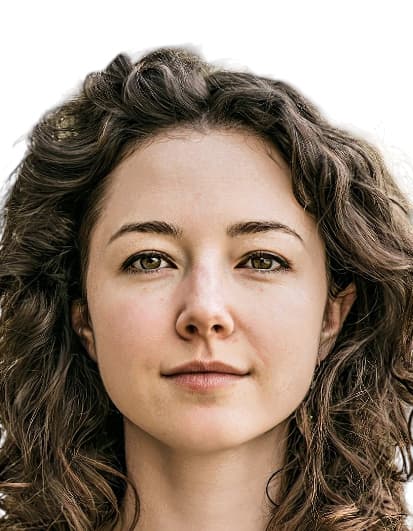
Pakistan passport photo rules from the DGI&P and NADRA
Pakistan’s passport photograph specification is set by the Directorate General of Immigration & Passports (DGI&P) under the Ministry of Interior, with the National Database and Registration Authority (NADRA) operating the biometric backend that processes every submission. The standard sits within the Passport Rules 2021 framework and applies to ordinary, official, diplomatic, and e-Passport applications submitted through the DGI&P online MRP portal or at regional passport offices.
The same 35×45 mm canvas, white background, and neutral biometric pose carry across related NADRA documents, including the CNIC, NICOP, and the POVS e-Visa, so a compliant passport image works across the wider identity system. Enforcement tightened after 2021, and the NADRA backend now performs automated compliance checks against every uploaded image before it reaches a human reviewer.
Photographs that fall outside the specification are rejected outright, which delays issuance and forces a fresh submission. DGI&P also requires that the photograph reflects the applicant’s current appearance and was taken within the last six months, with significant changes in appearance triggering the need for a new image.
Pakistan Passport Photo Requirements
The Directorate General of Immigration & Passports (DGI&P) and NADRA enforce these subject rules for every Pakistani passport, CNIC, NICOP, and e-Visa photograph.
Expression & pose
- Neutral expressionAdopt a neutral expression with the mouth closed. Smiles that show teeth are rejected by NADRA’s biometric check.
- Eyes open and forwardBoth eyes must be open and looking directly at the camera. Squinting or half-closed eyes will be flagged.
- Straight-on alignmentFace the camera squarely with zero head tilt. Profile and three-quarter angles are not accepted, and NADRA tolerates only minor deviation from frontal pose.
- Shoulders squaredShoulders must be visible and squared to the camera. The top of the shoulders should appear in the frame.
Eyewear & lenses
- Prescription glassesGlasses are not permitted in Pakistani passport photos — NADRA applies a no-glasses rule. Medical exceptions require documentation, and even then frames must not cross the eyes and lenses must show no glare.
- Tinted and transition lensesSunglasses, tinted lenses, and photochromic or transition lenses are prohibited. Lenses must remain clear at the time of capture.
- Contact lensesClear prescription contact lenses are allowed. Coloured or cosmetic contact lenses that alter natural eye colour are prohibited.
Hair
- Face must remain visibleHair must not cover the eyes, eyebrows, chin outline, or any part of the face. Bangs must be swept aside so the eyebrows are fully exposed.
- Ears must showBoth ears must be clearly visible. Long hair should be tucked behind the ears. This is one of the most common NADRA rejection triggers.
- Hair accessoriesBulky clips, ribbons, and decorative hair accessories are prohibited. Plain ties used to keep hair off the face are acceptable.
Headwear
- Caps and hatsHats, caps, and fashion headbands are not permitted on Pakistani passport photographs.
- Religious and medical coveringsReligious headwear such as a hijab or dupatta, and medically required head coverings, are accepted. When a religious head covering is worn, the ears-visible rule is waived.
- Full face oval visibleAny permitted head covering must leave the full face visible from the bottom of the chin to the top of the forehead, including both eyebrows.
- Solid colour preferredA single solid colour is recommended for any permitted head covering so that NADRA’s biometric edge detection reads the face oval reliably.
Jewelry & accessories
- Subtle jewelry onlyEarrings, nose pins, and necklaces are tolerated only when they are small and do not obscure facial features or produce glare.
- Headphones and earbudsHeadphones, wireless earbuds, and similar devices must be removed before the photograph is taken.
Cosmetics
- Natural makeup onlyOnly light, natural makeup is acceptable. Heavy makeup and heavy contouring that alter natural facial dimensions will fail the NADRA similarity check.
- False eyelashesFalse eyelashes are prohibited because they obscure the eye region used for biometric matching.
Clothing
- Dark solid coloursDGI&P recommends dark solid clothing to contrast against the white background. White and very pale clothing causes background separation failures and is a common rejection cause.
- Shoulders coveredShoulders must be covered. Sleeveless tops and bare shoulders are not permitted.
- Uniforms prohibitedCivil and military uniforms are not permitted on ordinary passports. Uniforms are accepted only on official or diplomatic passports when accompanied by a No Objection Certificate from the applicant’s department or ministry.
- Religious dress acceptedReligious dress such as hijab and dupatta is fully accepted provided the full face remains visible.
Photo quality
- Sharp focusThe subject must remain still so the face is sharp and free of motion blur. Blurred features are an automatic rejection.
- Red-eyeRed-eye is not accepted and must be resolved by retaking the photograph. Software red-eye correction is not permitted by DGI&P.
- No shadows on the faceThe face must be free of harsh shadows, including shadows cast by head coverings, hats, or uneven lighting on the cheeks or under the chin.
Dimensions, resolution & background.
Head position & camera distance.
- Head height, measured from the bottom of the chin to the top of the head, must be between 32 mm and 36 mm (roughly 72–79% of the photo height).
- Eyes must sit between 20 mm and 25 mm from the bottom of the photo.
- The head must be centered horizontally in the frame, with a small symmetrical margin on each side.
- Shoulders must be square to the camera and both visible. No three-quarter angles or rotated torso.
- The full face, from chin to crown, must be inside the frame with proper top margin.
How recent the photo must be.
Your passport photo must have been taken within the last six months. A new photo is required sooner whenever your appearance has changed in a way that makes the old photo no longer recognizable.
You need a new photo if you’ve had…
- Facial surgery or a major change to facial structure
- A significant gain or loss of weight that visibly changes your face
- Large facial tattoos or piercings added or removed
- A gender transition that has changed your appearance
You do not need a new photo just because of…
- A new hair color
- Growing or removing a beard or moustache
- Ordinary, minor aging
- A new hairstyle that still leaves the face fully visible
Photos for infants and young children.
DGI&P relaxes some adult rules for the youngest applicants. Older children must meet the full adult standard.
Infants (under 12 months)
Strict frontal gaze and neutral expression are processed leniently by POVS officers for infants, with leniency extended in practice up to around three years of age.
- Support out of frameLay the child on a plain white sheet or strap them into a car seat covered with a plain white cloth. Parents’ hands, arms, and any supporting structures must not appear in the photograph.
- No toys or pacifiersToys, pacifiers, and other objects must be kept out of the frame.
- Eyes open preferredEyes should be open if possible. Eyes-closed photographs of infants are processed leniently but the child should not be asleep.
- Expression and pose relaxedA perfectly neutral expression and direct gaze are not required. The face must still be unobstructed and centred.
Children under 10
Children under ten must meet the full adult expression and pose standard. A Child Registration Certificate, Form B, or Family Registration Certificate must accompany the application.
- Neutral expressionMouth closed and a neutral expression are required. Smiles with visible teeth will be rejected.
- Eyes open and forwardBoth eyes must be open and looking directly at the camera.
- Straight-on poseThe child must face the camera squarely with no head tilt.
Minors 10 to 17
Applicants aged ten and above must meet the adult standard in full and submit a Child Registration Certificate with fingerprints and photograph, or a Juvenile Card.
- Adult rules applyAll adult expression, pose, hair, eyewear, and clothing rules apply without relaxation.
- Ears visibleBoth ears must be visible unless religious headwear is worn.
Country-specific details to know.
A few Pakistan-specific points sit outside the standard rule groups.
Six-month recency rule
The photograph must have been taken within the last six months. DGI&P has rejected photographs only marginally older than this window since the 2021 enforcement tightening.
Uniform NOC exception
Uniforms are barred on ordinary passports but accepted on official and diplomatic passports when the applicant submits a No Objection Certificate from their department or ministry.
Pale clothing trap
White and very pale clothing visually merges with the mandatory white background and is one of NADRA’s most frequent rejection causes. Choose a dark solid colour instead.
Appearance change retake
Significant changes in appearance, including facial surgery, trauma, drastic hair changes, or major weight change, require a fresh photograph even if the previous one is under six months old.
As easy as snap, upload, done.
You take a quick picture. We do the spec work and tell you immediately if anything needs a retake.
Plus a human layer. Your files are ready the moment the automatic checks pass — and a real passport-photo specialist also reviews each one, usually within minutes, touching up small issues or flagging anything that needs your attention.
Free to check, and reviewed by a real expert. You only pay when you keep it.
Print & paper standards.
If you submit a printed photo with a paper application, the print itself has to meet acceptance-facility standards in addition to the rules above.
- High-quality photographic paper (matte or glossy finish).
- Inkjet printing is not accepted. Use a professional photo lab.
- No visible pixels, banding, dithering, or printer artifacts.
- The print must be undamaged: no creases, holes, smudges, staples, or pinholes.
- Do not write on the back of the photo.
- 2 identical prints are required.