
Netherlands passport photo rules, set by RvIG
The Netherlands passport photo is governed by the Rijksdienst voor Identiteitsgegevens (RvIG), part of the Ministry of the Interior and Kingdom Relations. The rules are codified in the Fotomatrix Model 2020, which sets the print size at exactly 35 by 45 millimetres and defines the precise facial measurements that Dutch verification systems use to confirm a true likeness.
The same Fotomatrix specification applies to the Dutch passport, the national identity card (identiteitskaart), the driving licence (rijbewijs), and residence documents for foreign nationals. Photos must be no more than six months old, must show the applicant as they currently appear, and must be submitted as a high quality physical print that the municipality scans during the application.
Dutch enforcement is notably strict. Even a slight upward curl at the corners of the mouth can trigger rejection, and the face width measurement from ear root to ear root is the single most common cause of automated failure. A photo that does not meet the Fotomatrix criteria will be refused at the counter, delaying the application until a compliant replacement is supplied.
Netherlands passport photo requirements
The Rijksdienst voor Identiteitsgegevens publishes these rules in the Fotomatrix Model 2020. Every photo submitted for a Dutch passport, identity card, or driving licence must meet them.
Expression & pose
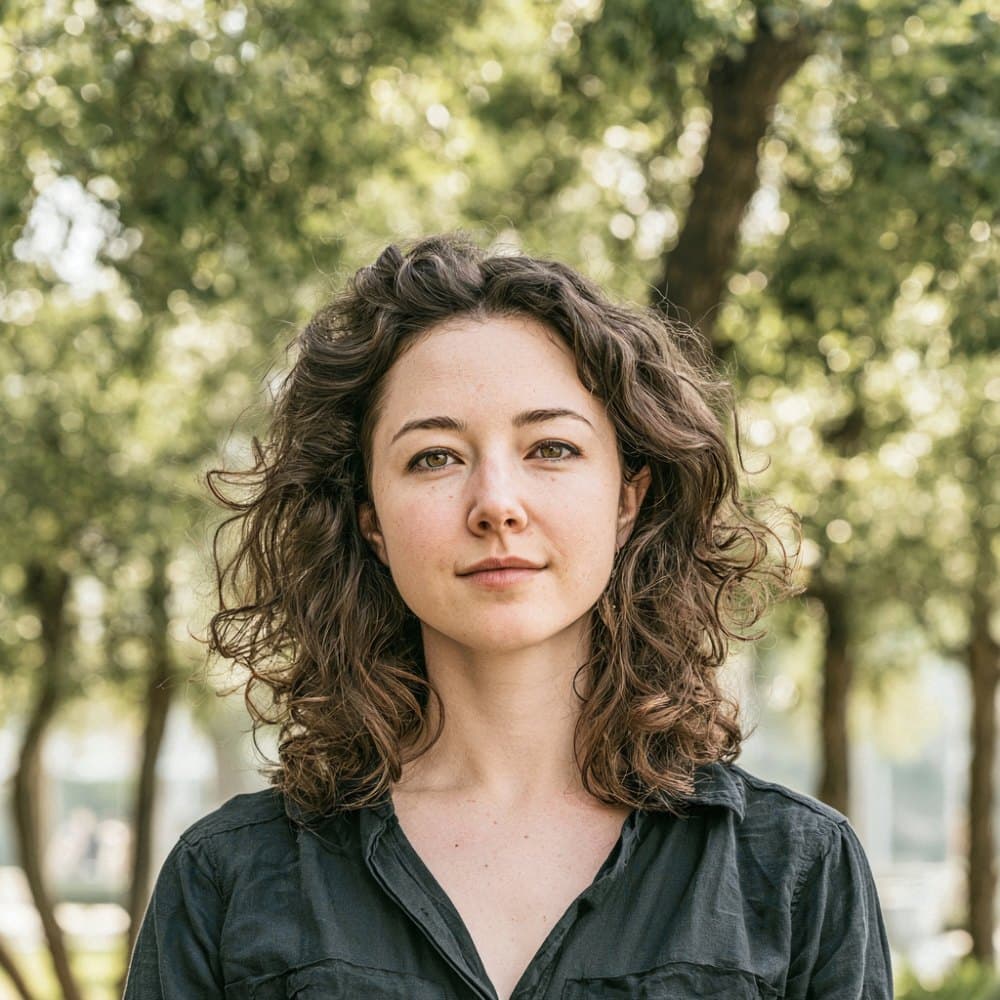
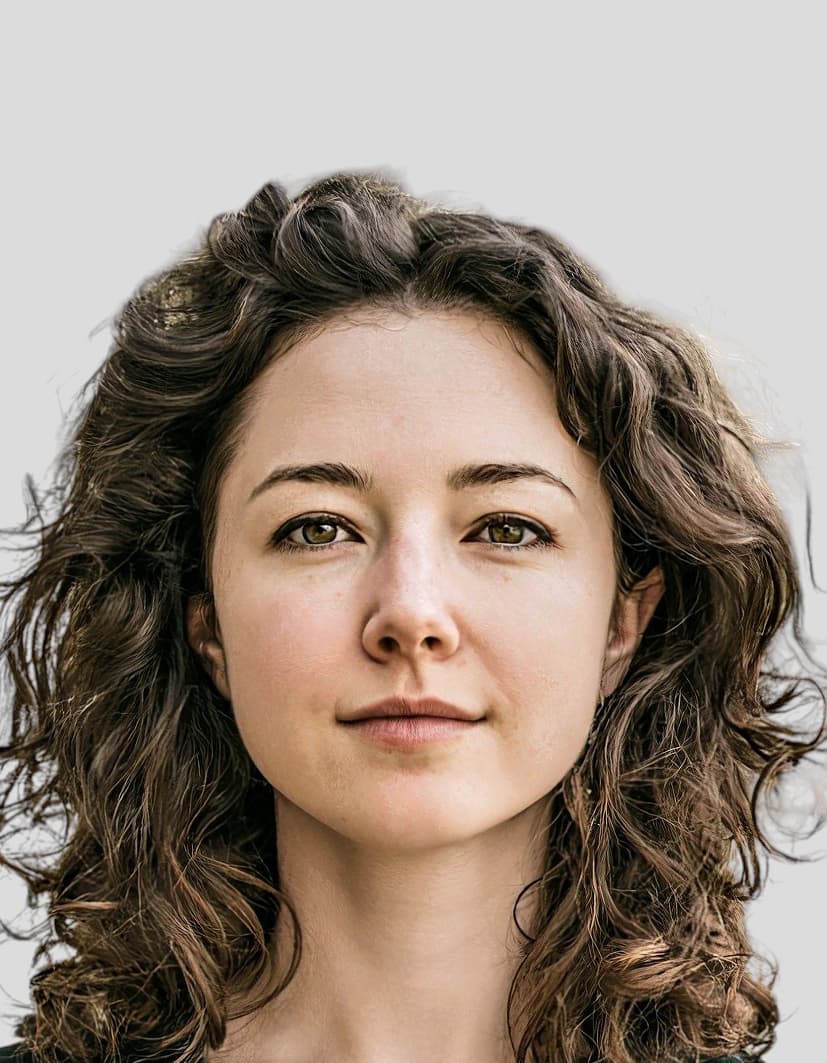
- Neutral expressionThe applicant must hold a neutral expression. Smiling is not accepted, and Dutch enforcement rejects even slight upward curling at the corners of the mouth.
- Mouth closedThe mouth must be fully closed with no teeth visible.
- Eyes open and forwardBoth eyes must be open, fully visible, and looking directly at the lens.
- Head straightThe head must face the camera directly with no yaw, pitch, or roll. The eye line must be horizontal.
- Square shouldersShoulders must be square to the camera and parallel to the bottom edge of the photo. Over-the-shoulder and angled poses are rejected.
Eyewear & lenses
- Prescription glassesGlasses are permitted only when both eyes are fully visible, the lenses are completely transparent, and the frames do not cross the pupils or visible eye area. Any glare, reflection, or frame shadow on the face causes rejection.
- Tinted lenses and sunglassesTinted lenses and sunglasses are prohibited. The only exception is a documented medical need.
- Contact lensesClear prescription contact lenses are permitted. Coloured or cosmetic lenses that alter the natural appearance of the eye are not allowed.
Hair
- Face visibilityHair must not cover the eyes or obscure the edges of the face. The full face width from cheekbone to cheekbone must remain measurable, as face width is the primary Dutch biometric measurement.
- Bangs and fringesBangs are permitted provided they do not fall over the eyes or cast shadows on the face.
- Wigs and hairpiecesWigs and hairpieces are permitted as long as they reflect the applicant’s normal appearance and do not obscure facial features.
Headwear
- General ruleThe head must be uncovered. Caps, hats, fashion scarves, and headbands are not accepted.
- Religious and medical exceptionsHead coverings worn for religious, philosophical, or medical reasons are permitted. The covering must be a plain single colour, contrast with the background, and contain no reflective material or busy patterns.
- Full face ovalAny permitted head covering must leave the full face visible from the chin to the hairline and from one side of the face to the other, with no shadows cast onto the face.
Jewellery & accessories
- Earrings and necklacesEarrings and necklaces are permitted provided they do not cause reflections, cast shadows, or obscure facial features.
- Facial piercings and tattoosFacial piercings and facial tattoos are permitted. They are treated as part of the applicant’s true likeness and need not be covered or removed.
- Headphones and earbudsHeadphones, earbuds, and AirPods are prohibited and must be removed before the photo is taken.
Cosmetics
- Everyday makeupLight, everyday makeup is permitted. It must not change the natural skin tone or hide physical features.
- Heavy makeupHeavy contouring or makeup that alters facial structure is grounds for rejection. The photo must remain a true likeness.
- False eyelashesFalse eyelashes are permitted only when they do not significantly alter the shape of the eye or cast shadows.
Clothing
- Contrast with backgroundClothing must contrast with the background. White and light grey garments are advised against because they blend into the light grey background used at IND biometric stations.
- Shoulders coveredShoulders must be clothed and partially visible. Bare shoulders that blend into the background cause floating-head rejections.
- UniformsUniforms are not permitted. Religious dress worn as part of daily attire is accepted.
Photo quality
- No shadows on the faceShadows cast on the face by hair, headwear, or accessories cause rejection. Position must allow even illumination across the face.
- No red-eyeRed-eye must be avoided at capture. Digital correction of red-eye is not permitted under the Fotomatrix rules.
- Sharp and stillThe subject must be still during capture. Motion blur and soft focus on the face are grounds for rejection.
Dimensions, resolution & background.
Head position & camera distance.
- Head height, measured from the bottom of the chin to the top of the head, must be between 27 mm and 30 mm.
- The head must be centered horizontally in the frame, with a small symmetrical margin on each side.
- Shoulders must be square to the camera and both visible. No three-quarter angles or rotated torso.
- The full face, from chin to crown, must be inside the frame with proper top margin.
How recent the photo must be.
Your passport photo must have been taken within the last six months. A new photo is required sooner whenever your appearance has changed in a way that makes the old photo no longer recognizable.
You need a new photo if you’ve had…
- Facial surgery or a major change to facial structure
- A significant gain or loss of weight that visibly changes your face
- Large facial tattoos or piercings added or removed
- A gender transition that has changed your appearance
You do not need a new photo just because of…
- A new hair color
- Growing or removing a beard or moustache
- Ordinary, minor aging
- A new hairstyle that still leaves the face fully visible
Photos for infants and young children.
The Fotomatrix Model 2020 relaxes several rules for younger applicants. The relaxations vary by age band.
Children under 6
Children from birth through the day before their sixth birthday receive significant exemptions from the adult pose and expression rules.
- Expression relaxedThe expression need not be neutral and the mouth need not be closed.
- Gaze relaxedThe child does not need to look directly at the lens.
- Pose relaxedHead tilt is tolerated and shoulders need not be perfectly straight.
- Eyes must be openThe eyes must still be open and visible. The Fotomatrix Model 2020 publishes no eyes-closed exemption for infants.
- Face fully visibleNo pacifiers, blankets, hands, or toys may appear in the frame or obscure the face.
- No visible supportParental hands, arms, or props must not appear in the photo. Any support must be hidden under clothing or a plain sheet.
- Head heightThe chin-to-crown measurement is relaxed to 19 to 30 mm for this age band.
Children aged 6 to 10
From the sixth birthday onwards, the adult rules for expression, gaze, and pose apply in full.
- Adult pose and expressionNeutral expression, closed mouth, direct gaze, straight head, and square shoulders are all required.
- Head heightThe chin-to-crown measurement remains relaxed to 19 to 30 mm, compared with 26 to 30 mm for applicants aged 11 and over.
Country-specific details to know.
A few details of the Dutch specification catch applicants off guard.
Smile tolerance
Dutch enforcement of the neutral-expression rule is stricter than most other European authorities. Even a slight upward curl at the corners of the mouth is rejected, so keep the lips fully relaxed.
Face width measurement
Face width measured from ear root to ear root must fall between 16 and 20 mm and is the primary Dutch biometric check. Hair that hides the cheekbones is the leading cause of automated rejection, even when every other rule is met.
Crown definition
The Fotomatrix defines the crown as the top of the skull, not the top of the hair. High-volume hairstyles do not extend the head-height measurement and may need to be flattened.
Photo validity window
Photos must be no more than six months old at the time of application. A new photo is required if appearance has changed significantly through surgery, trauma, or other visible change.
As easy as snap, upload, done.
You take a quick picture. We do the spec work and tell you immediately if anything needs a retake.
Plus a human layer. Your files are ready the moment the automatic checks pass — and a real passport-photo specialist also reviews each one, usually within minutes, touching up small issues or flagging anything that needs your attention.
Free to check, and reviewed by a real expert. You only pay when you keep it.
Print & paper standards.
If you submit a printed photo with a paper application, the print itself has to meet acceptance-facility standards in addition to the rules above.
- High-quality smooth photographic paper (matte or glossy finish).
- Inkjet printing is not accepted. Use a professional photo lab.
- No visible pixels, banding, dithering, or printer artifacts.
- The print must be undamaged: no creases, holes, smudges, staples, or pinholes.
- Do not write on the back of the photo.