
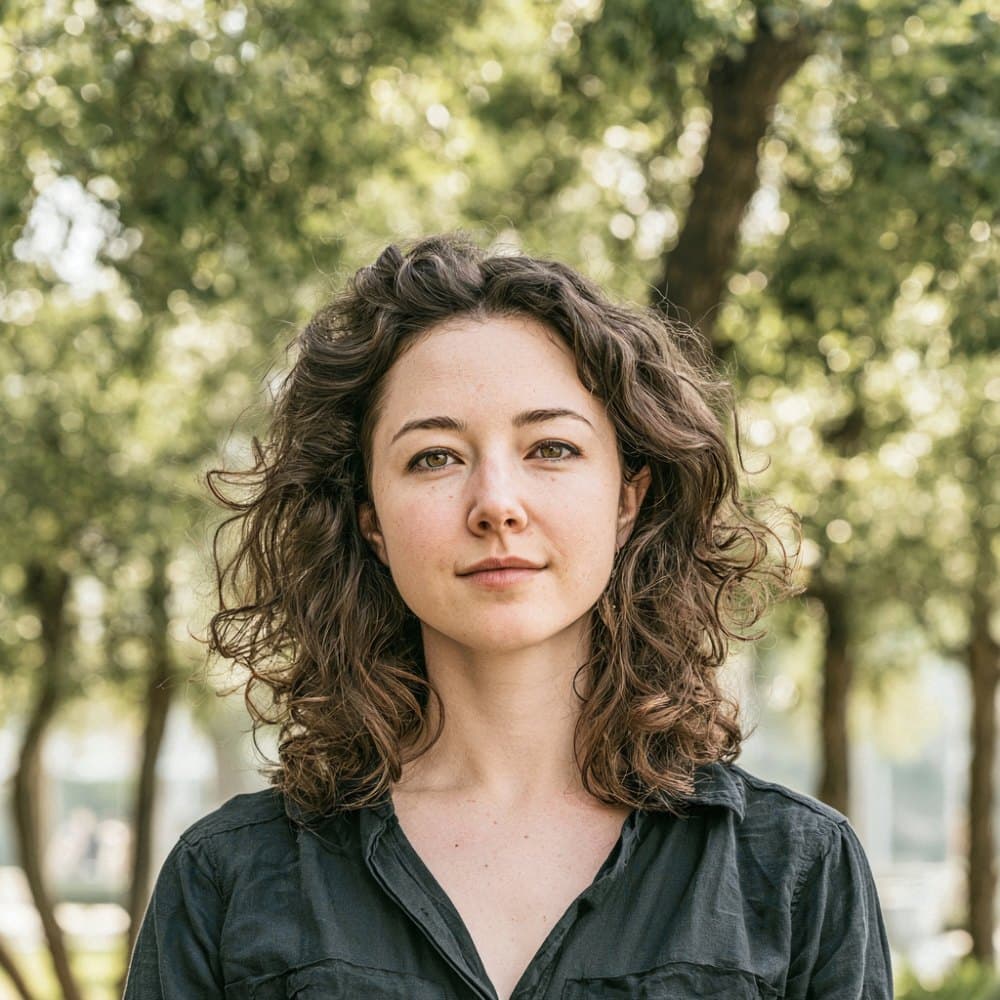
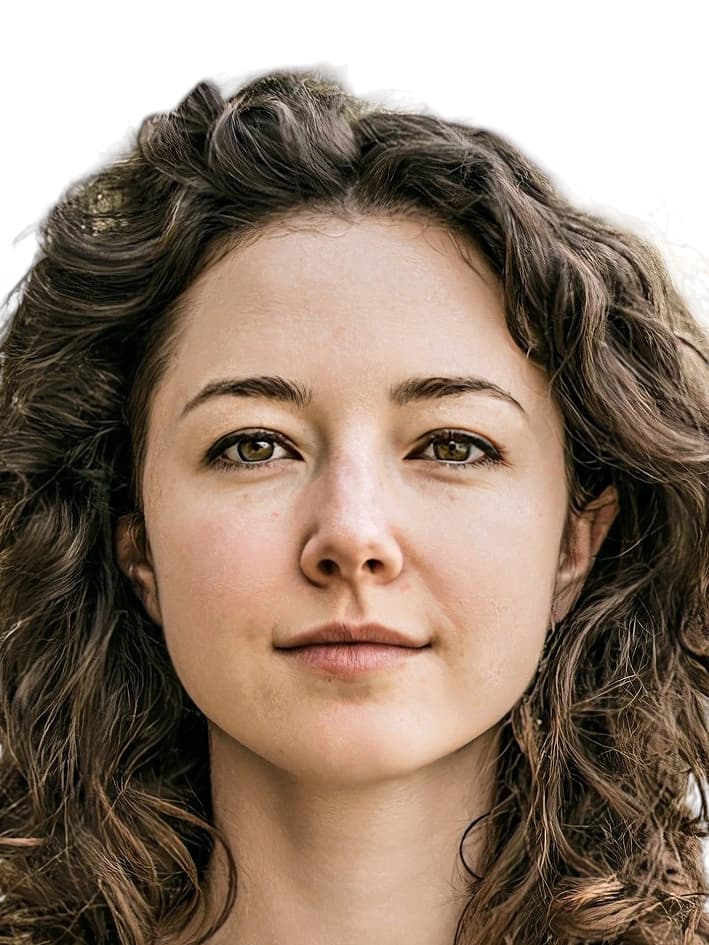
Venezuela visa photos and the MPPRE standard
Enforcement is strict. The SAIME "sin lentes" rule prohibits eyewear of any kind and remains the single most common cause of rejection. A non-compliant photo means the application is returned for a fresh submission, and because Venezuela offers no visa on arrival, that delay falls directly on the traveler’s timeline. Photos must be no older than six months, and applicants are advised to keep them within three months of submission.
Venezuela visa photo requirements at a glance
The MPPRE and Venezuelan consular network enforce a tight set of rules on what the applicant must look like in the frame. Miss any of these and the application is sent back.
Expression & pose
- Neutral expressionMouth closed, no smile, no visible teeth. Older consular practice tolerated a mild smile, but MPPRE now enforces a neutral expression uniformly.
- Eyes open and visibleBoth eyes must be fully open and looking straight into the lens. No squinting and no closed eyes.
- Square to the cameraFace the camera fully frontal with shoulders square. Both edges of the face must be visible and the head must not be tilted or turned.
Eyewear & lenses
- No glasses of any kindEyeglasses are prohibited under the SAIME ‘sin lentes’ rule, which Venezuelan consulates apply to all visa photos. This is the single most common cause of rejection, so prescription glasses must be removed.
- No tinted or cosmetic contactsColoured or decorative contact lenses that change the appearance of the eyes are not accepted. Clear corrective contacts are fine.
Hair & facial hair
- Hair clear of the faceHair must not cover the eyes, eyebrows, or jawline. Tuck longer hair behind the ears so that the full face is visible from forehead to chin.
Headwear
- Head coveringsHats, caps, and other headwear are prohibited. Religious or medical head coverings are accepted provided they do not cast shadows and the full face from forehead to chin remains visible.
Jewelry & accessories
- Discreet jewellery onlySmall, non-reflective earrings or a thin chain are acceptable. Large or reflective pieces that obscure facial features or catch the light are not permitted.
- Nothing covering the faceFace piercings, masks, and other accessories must not hide any part of the face. Recent changes in piercings or tattoos that alter appearance require a fresh photo.
Cosmetics
- Light makeupEveryday makeup is acceptable so long as it does not alter the natural appearance of the face. Heavy contouring or anything that disguises features is grounds for rejection.
Clothing
- Everyday civilian clothingWear ordinary street clothes. Uniforms of any kind are not permitted.
- Avoid white topsWhite or near-white tops blend into the white background and are routinely rejected. Choose a darker, solid-coloured top.
Photo recency
- Taken within 6 monthsThe photo must be no older than six months and must reflect the applicant’s current appearance. Aim for within three months where possible. Significant changes in weight, facial surgery, or new facial piercings require a new photo.
Dimensions, resolution & background.
Head position & camera distance.
- Head height, measured from the bottom of the chin to the top of the head, must be between 29 mm and 31 mm (roughly 71–79% of the photo height).
- Eyes must sit between 19 mm and 23 mm from the bottom of the photo.
- The head must be centered horizontally in the frame with a small symmetrical margin on each side.
- Both shoulders must be square to the camera and visible. Three-quarter angles or rotated torsos are not accepted.
- The full face from chin to crown must be inside the frame with proper top margin.
How recent the photo must be.
Your visa photo must have been taken within the last six months. A new photo is required sooner whenever your appearance has changed in a way that makes the old photo no longer recognizable.
You need a new photo if you’ve had…
- Facial surgery or a major change to facial structure
- A significant gain or loss of weight that visibly changes your face
- Large facial tattoos or piercings added or removed
- A gender transition that has changed your appearance
You do not need a new photo just because of…
- A new hair color
- Growing or removing a beard or moustache
- Ordinary, minor aging
- A new hairstyle that still leaves the face fully visible
Photos for infants and young children.
Venezuela does not publish formal age-tiered photo rules, but consular staff apply a narrow tolerance for the youngest applicants.
Infants (under 12 months)
For babies under one year, consular practice tolerates small deviations from the adult standard, but the framing rules still apply.
- Eyes and expressionClosed or unfocused eyes are tolerated for infants under one year, and a neutral expression is not strictly required. Minor head tilt or slight off-centre pose is also accepted.
- Child alone in frameOnly the child may appear in the photo. No caregiver hands, supporting arms, toys, pacifiers, or other people may be visible against the white background.
Other things to know.
A few Venezuela-specific quirks are worth flagging before submission.
Tamaño carnet format
The native Venezuelan visa photo is 30 by 40 mm, smaller than the Schengen 35 by 45 mm or the US 2 by 2 inch sizes. Consulates in Europe and the Americas accept their regional sizes instead, so confirm with the specific mission before printing.
No external visa application centre
Venezuela does not use VFS Global, BLS, or any other outsourced visa application centre. The applicant always supplies the photo, and there is no on-site biometric capture at any consulate.
Cancillería Digital e-visa
Tourist (T) and Business (TR-N) visas are filed through the Cancillería Digital portal, which launched on 25 March 2026 and became mandatory for US nationals on 6 April 2026. The photo is uploaded digitally and the visa is delivered by email.
Two prints, paper-clipped
Walk-in consular submissions require two identical printed copies of the photo. They must be paper-clipped, not stapled, to the application form so that the image is not punctured.
Take your Venezuela visa photo at home in three steps.
Plus a human layer. Your files are ready the moment the automatic checks pass — and a real passport-photo specialist also reviews each one, usually within minutes, touching up small issues or flagging anything that needs your attention.
Free to check, and reviewed by a real expert. You only pay when you keep it.
Print-quality requirements for in-person submissions.
When you submit a printed photo at a visa application centre, the paper, finish, and ink all matter. The points below cover the standards most consular missions accept.
- Print on photographic-quality paper at 300 DPI minimum.
- Use a matte or semi-gloss finish; high-gloss can produce reflections that confuse biometric scanners.
- Do not retouch, crop, or alter the photo after printing.
- Bring at least two identical prints when the submission channel calls for paper photos.