
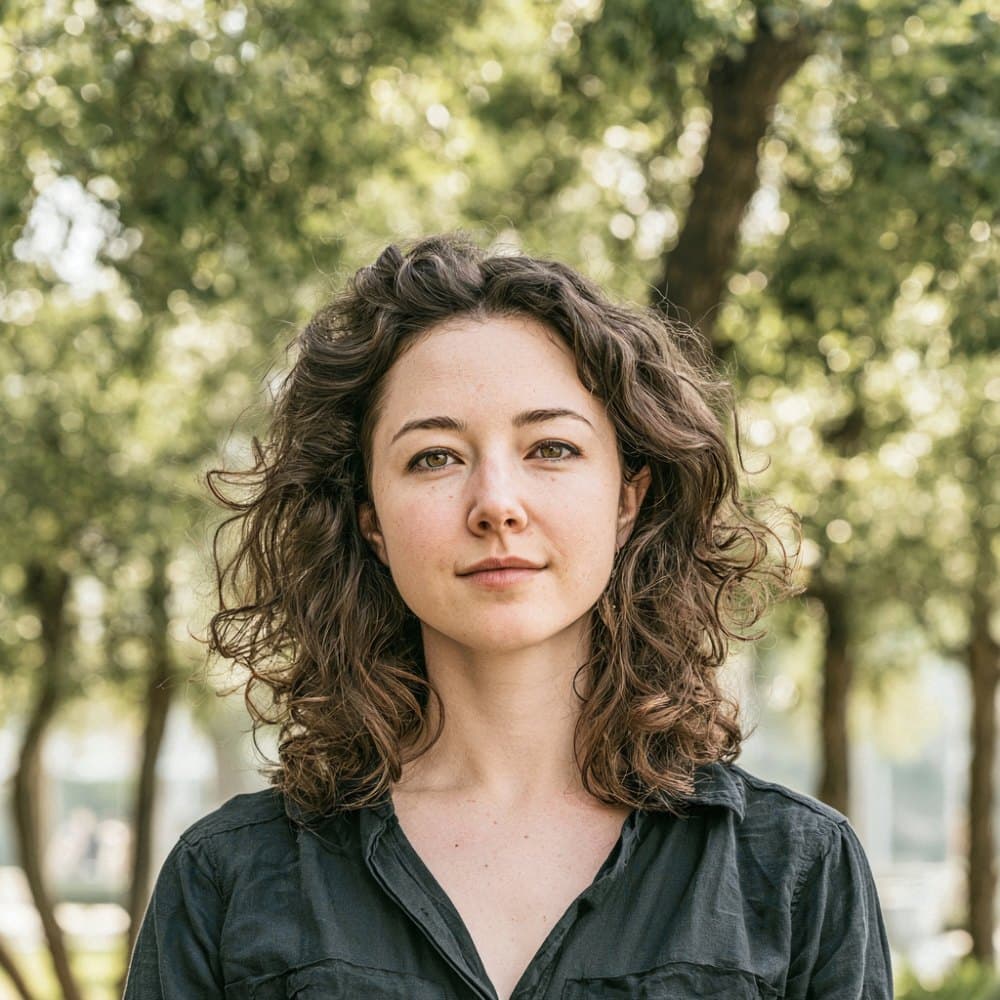
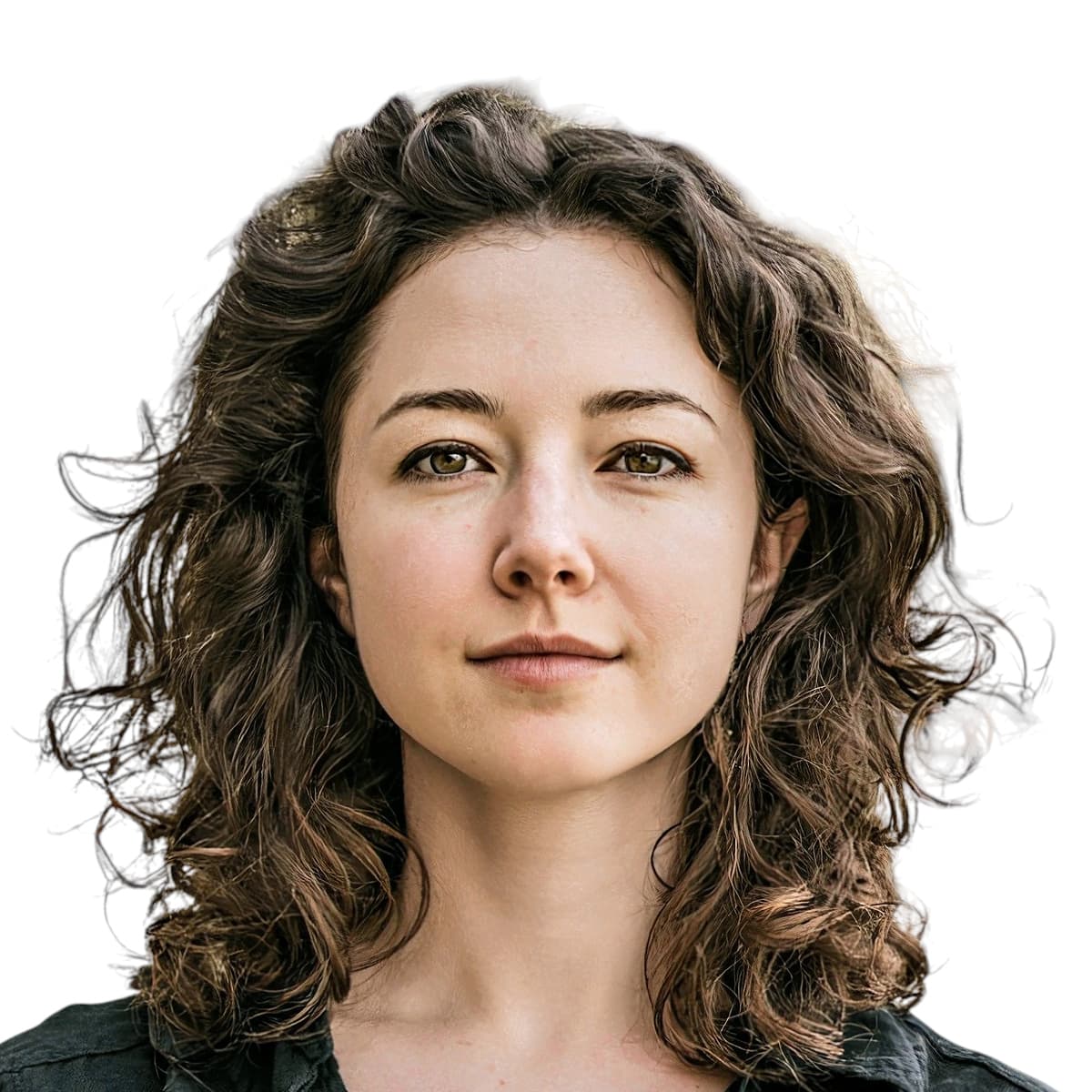
US visa photos follow a single U.S. Department of State standard
The U.S. Department of State, Bureau of Consular Affairs sets one uniform photo specification that covers every visa class, from B-1/B-2 visitor and F-1 student visas through immigrant DS-260 cases, K-1 fiancé(e) petitions, and Diversity Visa lottery entries. The print is exactly 2×2 inches on a plain white or off-white background, and the digital file is a square JPEG between 600×600 and 1200×1200 pixels at no more than 240 KB. The Diversity Visa lottery is the one exception, requiring an entry image at exactly 600×600 pixels.
Nonimmigrant applicants upload the photo through the DS-160 form on the Consular Electronic Application Center (CEAC), while A, G, and NATO applicants use the DS-1648. Immigrant and DV-selectee applicants bring two identical printed photos to the consular interview, and most posts recommend bringing a printed backup even when the digital upload has been accepted. Some posts, including Manila from September 28, 2024, also require a separate Visa Application Center appointment for on-site biometric capture in addition to the DS-160 upload.
Enforcement is strict and the consular officer has the final word. A photo that clears the CEAC upload check can still be refused at the interview window, which means the application is paused until a compliant photo is produced. Photos older than six months, photos reused from a previous U.S. visa, and photos that do not reflect the applicant’s current appearance after significant changes are rejected on sight.
US visa photo rules enforced by the Department of State
The Bureau of Consular Affairs applies one uniform photo standard across nonimmigrant, immigrant, and Diversity Visa categories. The subject-side rules below are what consular officers check at interview.
Expression & pose
- Neutral expressionThe applicant must hold a neutral expression with the mouth closed. Smiles that show teeth are rejected.
- Eyes open and forwardBoth eyes must be fully open and looking directly at the camera. Squinting and unusual expressions are not accepted.
- Head orientationThe head must face the camera squarely with no tilt, turn, or pitch. Shoulders should be visible and level.
- Red-eyePhotos showing red-eye are rejected and cannot be corrected by retouching. The applicant must blink and reset before the shot is retaken.
Eyewear & lenses
- Eyeglasses prohibitedEyeglasses have been banned from US visa photos since November 1, 2016. Applicants must remove all prescription and reading glasses before the photo is taken.
- Medical exceptionA rare medical exception applies only when glasses cannot be removed for documented medical reasons. The applicant must present a signed statement from a medical practitioner, and frames must not cover the eyes or produce glare.
- Tinted lensesTinted or colored lenses are never permitted, including under the medical exception. Sunglasses and transition lenses are not accepted.
Hair & facial features
- Hair across the faceHair must not cover the eyes or obscure facial features. Bangs are acceptable provided the eyes and eyebrows remain clearly visible.
- Facial hairBeards and mustaches are permitted as long as they reflect the applicant’s everyday appearance. Growing or shaving facial hair is not by itself a change-of-appearance trigger.
Headwear
- General ruleHats and head coverings are not allowed in US visa photos.
- Religious head coveringsDaily-worn religious head coverings are permitted. The full face from the bottom of the chin to the top of the forehead must remain visible, and the covering must not cast shadows on the face.
- Medical head coveringsHead coverings worn for documented medical reasons are accepted on the same visibility terms as religious wear.
Jewelry & accessories
- Jewelry and piercingsEarrings, nose studs, and other jewelry are allowed provided they do not obscure facial features or produce glare. Large piercings added since a prior visa photo can count as a change of appearance.
- Headphones and wireless devicesHeadphones, earbuds, and other wireless devices must not appear in the frame. Hearing aids are permitted.
Cosmetics
- Everyday makeupCosmetics are acceptable when they reflect the applicant’s normal daily appearance. Heavy or theatrical makeup that alters facial features is not accepted.
Clothing
- Everyday attireApplicants must wear regular street clothes. Religious clothing worn daily is acceptable.
- Uniforms prohibitedUniforms of any kind are not permitted, and camouflage clothing is explicitly cited as a rejection cause. This restriction applies even to military and emergency-services personnel.
Photo recency
- Six-month ruleThe photo must have been taken within the six months preceding the application. The Department of State will not accept the same image used on a prior US visa.
- Change-of-appearance triggersA new photo is required, even within the six-month window, after significant facial surgery or trauma, the addition of numerous or large facial piercings or tattoos, significant weight change, or gender transition.
Dimensions, resolution & background.
Head position & camera distance.
- Head height, measured from the bottom of the chin to the top of the head, must be between 25.4 mm and 35.1 mm (roughly 50–69% of the photo height).
- Eyes must sit between 28.4 mm and 35.1 mm from the bottom of the photo.
- The head must be centered horizontally in the frame with a small symmetrical margin on each side.
- Both shoulders must be square to the camera and visible. Three-quarter angles or rotated torsos are not accepted.
- The full face from chin to crown must be inside the frame with proper top margin.
How recent the photo must be.
Your visa photo must have been taken within the last six months. A new photo is required sooner whenever your appearance has changed in a way that makes the old photo no longer recognizable.
You need a new photo if you’ve had…
- Facial surgery or a major change to facial structure
- A significant gain or loss of weight that visibly changes your face
- Large facial tattoos or piercings added or removed
- A gender transition that has changed your appearance
You do not need a new photo just because of…
- A new hair color
- Growing or removing a beard or moustache
- Ordinary, minor aging
- A new hairstyle that still leaves the face fully visible
Photos for infants and young children.
The Department of State applies the same technical specification to applicants of all ages, with one practical accommodation for infants who cannot sit or hold their head up.
Infants (under 12 months)
Infants are held to the same framing standard as adults, but the Bureau of Consular Affairs permits two staging options when the child cannot sit unsupported.
- Lying on a white sheetThe infant may be photographed lying flat on a plain white sheet. The sheet must fill the frame and present a uniform white background.
- Car seat with a white drapeThe infant may be photographed in a car seat covered by a white sheet. The car seat itself must not be visible in the final image.
- No support visibleNo other person, no hands, and no support apparatus may appear in the frame. Photos showing a parent’s arm holding the child are rejected.
- Eyes open and looking at cameraThe visa FAQ requires the infant’s eyes to be open and directed at the camera. The closed-eye allowance that applies to US passport photos does not extend to visa photos, although consular officers exercise limited discretion for newborns.
Other things to know.
A few US-specific procedural points sit outside the standard subject rules and are worth flagging before submission.
DS-160 upload plus printed backup
Nonimmigrant applicants upload the photo to the DS-160 form in CEAC and should bring one printed 2x2 inch copy to the consular interview as a failsafe. System acceptance of the upload does not guarantee acceptance by the consular officer.
Immigrant interview prints
DS-260 immigrant applicants and Diversity Visa selectees must bring two identical printed 2x2 inch photos to the interview. The panel physician handling the immigrant medical exam typically requires an additional three to four prints.
DV Lottery exact pixel size
Entries to the Diversity Visa lottery on the E-DV portal must be exactly 600 by 600 pixels. The 600 to 1200 pixel range accepted elsewhere by the Department of State does not apply to the lottery entry.
On-site VAC biometric capture
Certain posts, including the Philippines from September 28, 2024, require a separate Visa Application Center appointment for on-site photo and fingerprint capture. The DS-160 photo upload is still required in addition to the on-site capture.
Take your United States visa photo at home in three steps.
Plus a human layer. Your files are ready the moment the automatic checks pass — and a real passport-photo specialist also reviews each one, usually within minutes, touching up small issues or flagging anything that needs your attention.
Free to check, and reviewed by a real expert. You only pay when you keep it.
Print-quality requirements for in-person submissions.
When you submit a printed photo at a visa application centre, the paper, finish, and ink all matter. The points below cover the standards most consular missions accept.
- Print on photographic-quality paper at 300 DPI minimum.
- Use a matte or semi-gloss finish; high-gloss can produce reflections that confuse biometric scanners.
- Do not retouch, crop, or alter the photo after printing.
- Bring at least two identical prints when the submission channel calls for paper photos.