

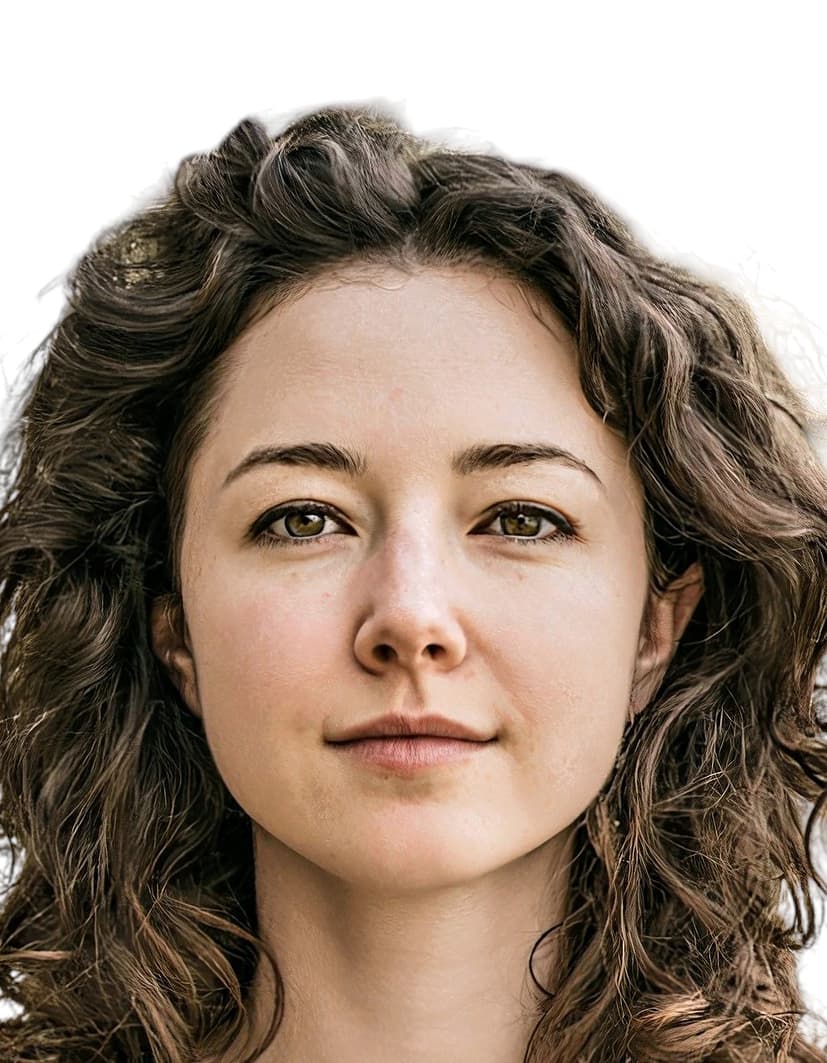
Tunisia visa photos for the Ministry of Foreign Affairs
Tunisian visas are issued by the Ministère des Affaires Étrangères, de la Migration et des Tunisiens à l’Étranger through its network of embassies and consulates. The codified requirement is a recent passport-style identity photo on a plain white background, submitted as a physical print attached to the paper application form. The same photo standard applies across every visa category, including tourist, business, student, transit, and work.
There is no official Tunisian e-Visa portal. Any site advertising a fully online Tunisian visa is an unofficial commercial intermediary, and applications must be lodged in person or by mail at the embassy or consulate covering the applicant’s place of residence. Tunisia does not use a third-party visa application centre such as VFS Global or TLS Contact, and no biometric capture is performed during the process, which makes the printed photo the sole likeness on file.
Because the rule defers to the host country’s passport format, North American consulates such as Washington D.C. and Montreal accept the 51×51 mm (2×2 in) print, while consulates in Europe and the rest of the world expect the 35×45 mm format. Consular staff reject photos that are not recent, not on a white background, damaged, or that do not match the application form’s photo box, which delays the file and can require resubmission by post.
What the Tunisian consulate expects in your visa photo
The Ministry of Foreign Affairs sets a short, passport-style rule and leaves enforcement to each consulate. The subject-side expectations below are what reviewers consistently check.
Expression & pose
- Neutral expressionKeep a relaxed, neutral expression with the mouth closed. Smiling, frowning, or raised eyebrows are not accepted.
- Head squared to cameraFace the camera directly with the head upright and level. Tilting or turning the head causes the consulate to return the application.
- Eyes open and visibleBoth eyes must be open and looking straight ahead. Squinting or partially closed eyes are not acceptable for adult applicants.
Eyewear & lenses
- Prescription glassesClear prescription glasses are tolerated only if both eyes are fully visible with no glare on the lenses and no frame covering any part of the eye. Removing glasses is the safer choice.
- Tinted lenses and sunglassesTinted, photochromic, or coloured lenses are not accepted. Sunglasses must be removed.
Hair & face
- Hair off the faceHair must not cross the eyes, eyebrows, or the outline of the face. Long fringes should be swept aside before the photo is taken.
- Full face visibleThe face must be fully visible from the tip of the chin to the top of the forehead, with both facial edges in view.
Headwear
- Religious head coveringsHead coverings are permitted only when worn daily for religious reasons. The covering must not cast shadows on the face or obscure the chin, cheeks, forehead, or jawline.
- Hats and capsSecular hats, caps, hoods, and headbands are not accepted and must be removed before the photo is taken.
Clothing & accessories
- Everyday clothingWear ordinary street clothes. Uniforms and camouflage patterns are not accepted, with the exception of clothing worn daily for religious reasons.
- Jewelry and accessoriesJewelry may be worn provided it does not cover any part of the face or cast reflections. Remove items that interfere with a clear view of the features.
Photo condition
- Recent photoPhotographs must be taken within the last six months and reflect the applicant’s current appearance. Older prints are returned by the consulate.
- Undamaged printPrints must be free of creases, tears, smudges, and ink marks. Staples or pins must never pierce the face area.
Dimensions, resolution & background.
Head position & camera distance.
- Head height, measured from the bottom of the chin to the top of the head, must be between 31 mm and 35 mm (roughly 70–77% of the photo height).
- Eyes must sit between 21 mm and 25 mm from the bottom of the photo.
- The head must be centered horizontally in the frame with a small symmetrical margin on each side.
- Both shoulders must be square to the camera and visible. Three-quarter angles or rotated torsos are not accepted.
- The full face from chin to crown must be inside the frame with proper top margin.
How recent the photo must be.
Your visa photo must have been taken within the last six months. A new photo is required sooner whenever your appearance has changed in a way that makes the old photo no longer recognizable.
You need a new photo if you’ve had…
- Facial surgery or a major change to facial structure
- A significant gain or loss of weight that visibly changes your face
- Large facial tattoos or piercings added or removed
- A gender transition that has changed your appearance
You do not need a new photo just because of…
- A new hair color
- Growing or removing a beard or moustache
- Ordinary, minor aging
- A new hairstyle that still leaves the face fully visible
Other things to know.
A few features of the Tunisian visa process are unusual and worth knowing before you submit.
No official e-visa portal
The Ministry of Foreign Affairs does not operate an online visa application system. Every application is paper based and submitted to a Tunisian embassy or consulate. Sites advertising a Tunisia e-visa are unofficial commercial intermediaries.
Consulate-specific print size
Tunisian missions in the United States and Canada (Washington D.C., Montreal) accept the 2 by 2 inch (51 by 51 mm) print. Posts in Europe, the United Kingdom, and the rest of the world expect the 35 by 45 mm print. Use the size that matches the consulate handling your file.
Bring two identical copies
Most Tunisian consulates request two identical photographs attached to the application form. The Embassy in Washington D.C. asks for only one. Preparing two is the safer default and avoids a return trip.
Visa-exempt travellers
Many nationalities, including EU, US, Canadian, Australian, and most Arab passport holders, may enter Tunisia without a visa for stays up to 90 days. The photo rules on this page apply only to nationals who require a visa.
Take your Tunisia visa photo at home in three steps.
Plus a human layer. Your files are ready the moment the automatic checks pass — and a real passport-photo specialist also reviews each one, usually within minutes, touching up small issues or flagging anything that needs your attention.
Free to check, and reviewed by a real expert. You only pay when you keep it.
Print-quality requirements for in-person submissions.
When you submit a printed photo at a visa application centre, the paper, finish, and ink all matter. The points below cover the standards most consular missions accept.
- Print on photographic-quality paper at 300 DPI minimum.
- Use a matte or semi-gloss finish; high-gloss can produce reflections that confuse biometric scanners.
- Do not retouch, crop, or alter the photo after printing.
- Bring at least two identical prints when the submission channel calls for paper photos.