
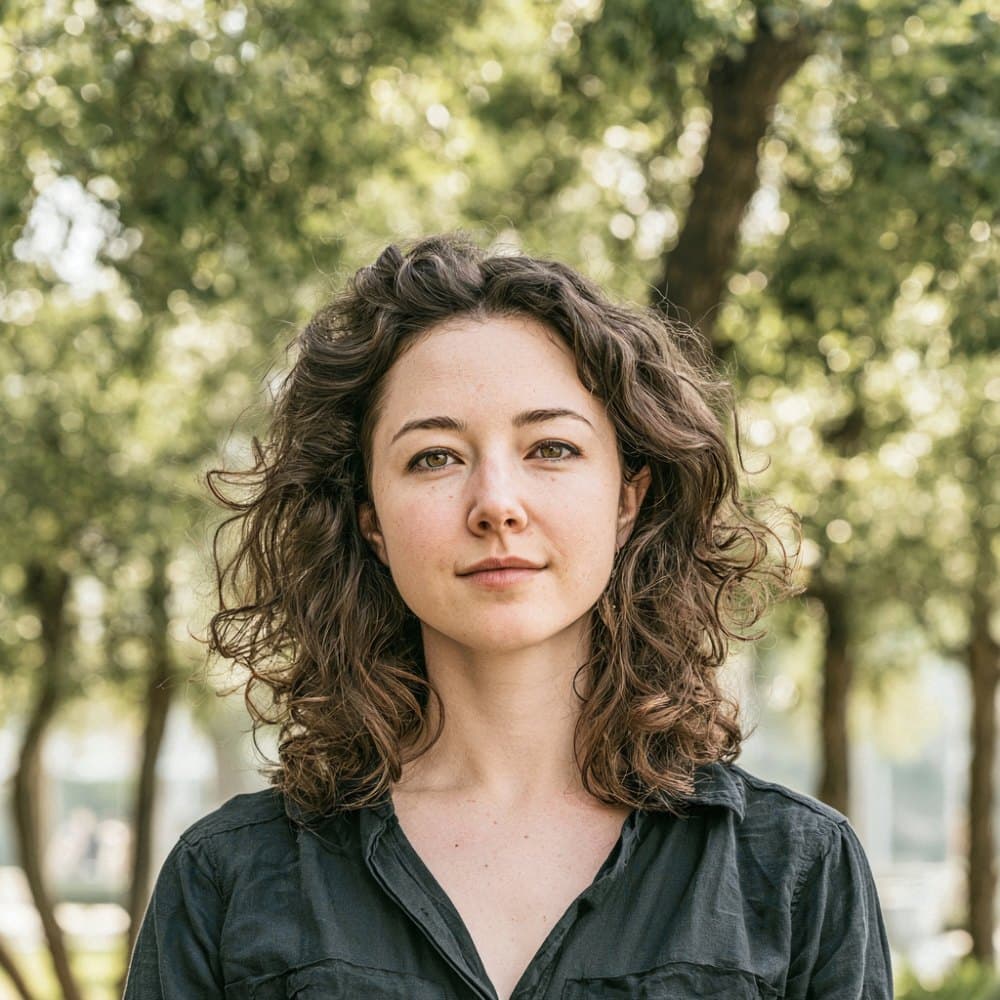
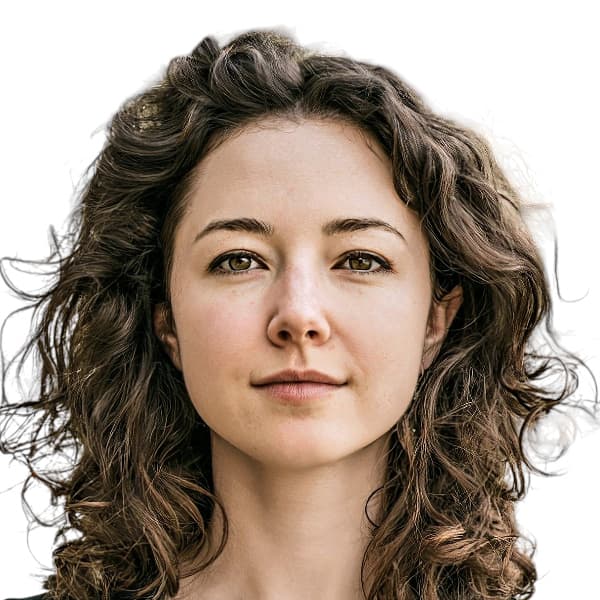
El Salvador visa photos and the MRREE standard
El Salvador’s visa photograph rules are set by the Ministerio de Relaciones Exteriores (MRREE) for consular applications and by the Dirección General de Migración y Extranjería (DGME) for in-country procedures. Consulates in the Americas use a 2×2 in print on a plain white background, while DGME offices inside the country use a smaller 35×45 mm print for tourist extensions and residency files. Both authorities require a recent color photograph that shows the applicant frontally with a fully visible face.
There is no third-party visa application centre in the El Salvador pipeline. Applications go directly to a Salvadoran embassy or consulate, or through the official PEI portal operated by DGME for the Permiso Especial de Ingreso. The PEI portal accepts a digital upload but does not publish its own pixel specification, so a print-quality file built to the consular standard is the safe submission for every channel.
MRREE enforces a small number of strict subject rules, and photos that miss them are returned. A non-compliant image delays the visa decision and, in the case of a Visa Consultada file, forces the applicant to restart the DGME pre-approval step before a consulate will stamp the passport.
El Salvador visa photo requirements at a glance
The rules below come from the Ministerio de Relaciones Exteriores (MRREE) and the Dirección General de Migración y Extranjería (DGME). Subject-side compliance is what consular officers check first.
Expression & pose
- Frontal poseMRREE requires the photo to be taken de frente, with the head level and the shoulders square to the camera. The full face must be visible.
- Eyes openBoth eyes must be open and looking directly at the camera.
- Neutral expressionSalvadoran consular practice calls for a neutral expression, in line with standard ICAO framing.
Eyewear & lenses
- No glassesEyeglasses are strictly prohibited. MRREE specifies sin anteojos, and this is one of the few hard-coded rules and a leading cause of rejection. Remove prescription and reading glasses before the photo is taken.
Headwear
- No hats or capsHats, caps, and other non-religious headwear are not permitted. The full face must be visible from the top of the forehead to the chin.
- Religious headwearReligious head coverings are accepted in practice provided they do not obscure any part of the face.
Photo quality
- Colour photographThe photo must be in colour. Black-and-white photographs are rejected by MRREE and DGME.
- Recent photographThe photo must be reciente. Salvadoran consular convention enforces a maximum age of six months from the date of capture.
- Accurate likenessThe image must accurately reflect the applicant’s current appearance. Heavily filtered or altered photos are rejected.
Print presentation
- Photo paperPrints must be delivered on photo paper, undamaged and free of creases or marks. The photo must not be stapled through the face when affixed to the application form.
Dimensions, resolution & background.
Head position & camera distance.
- Head height, measured from the bottom of the chin to the top of the head, must be between 35.1 mm and 40 mm (roughly 69–79% of the photo height).
- Eyes must sit between 27.9 mm and 33 mm from the bottom of the photo.
- The head must be centered horizontally in the frame with a small symmetrical margin on each side.
- Both shoulders must be square to the camera and visible. Three-quarter angles or rotated torsos are not accepted.
- The full face from chin to crown must be inside the frame with proper top margin.
How recent the photo must be.
Your visa photo must have been taken within the last six months. A new photo is required sooner whenever your appearance has changed in a way that makes the old photo no longer recognizable.
You need a new photo if you’ve had…
- Facial surgery or a major change to facial structure
- A significant gain or loss of weight that visibly changes your face
- Large facial tattoos or piercings added or removed
- A gender transition that has changed your appearance
You do not need a new photo just because of…
- A new hair color
- Growing or removing a beard or moustache
- Ordinary, minor aging
- A new hairstyle that still leaves the face fully visible
Other things to know.
A few quirks of the Salvadoran visa process catch applicants off guard.
No VAC operator
El Salvador does not use VFS Global, BLS, or any third-party visa application centre. Applications are filed directly with a Salvadoran embassy or consulate, or through the PEI online portal run by DGME.
Two coexisting print sizes
MRREE consulates in the Americas accept the 2x2 in (51x51 mm) format, while DGME offices inside El Salvador use 35x45 mm for in-country submissions like tourist extensions. Applicants applying abroad should default to the 2x2 in consular size.
Do not submit a profile photo
Residency permits require an additional right-profile photo alongside the frontal shot, but visas require the frontal photo only. Submitting a profile photo with a tourist or Visa Consultada application is a rejection trigger.
Visa-waiver travellers skip the photo
CA-4 nationals from Guatemala, Honduras, and Nicaragua, along with most Western passport holders, receive a 90-day tourist card on arrival and do not file a visa photo in advance.
Take your El Salvador visa photo at home in three steps.
Plus a human layer. Your files are ready the moment the automatic checks pass — and a real passport-photo specialist also reviews each one, usually within minutes, touching up small issues or flagging anything that needs your attention.
Free to check, and reviewed by a real expert. You only pay when you keep it.
Print-quality requirements for in-person submissions.
When you submit a printed photo at a visa application centre, the paper, finish, and ink all matter. The points below cover the standards most consular missions accept.
- Print on photographic-quality paper at 300 DPI minimum.
- Use a matte or semi-gloss finish; high-gloss can produce reflections that confuse biometric scanners.
- Do not retouch, crop, or alter the photo after printing.
- Bring at least two identical prints when the submission channel calls for paper photos.