
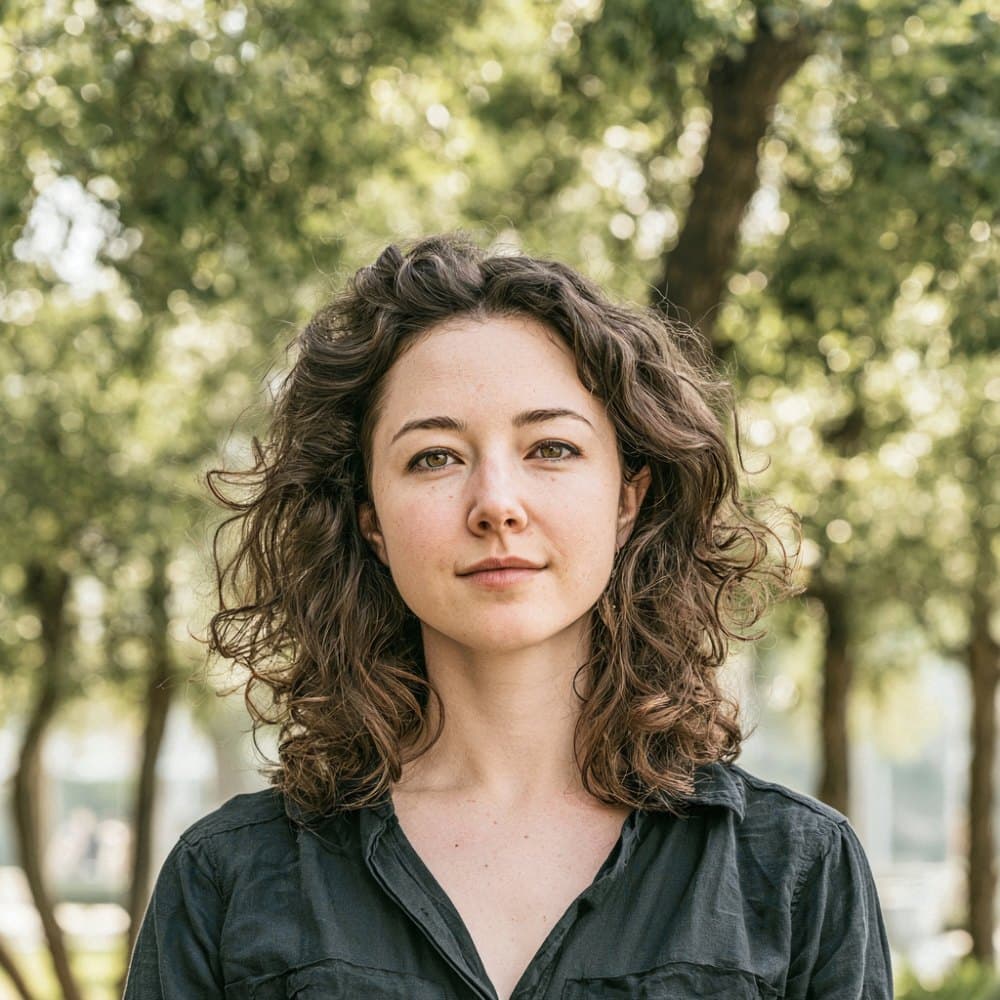
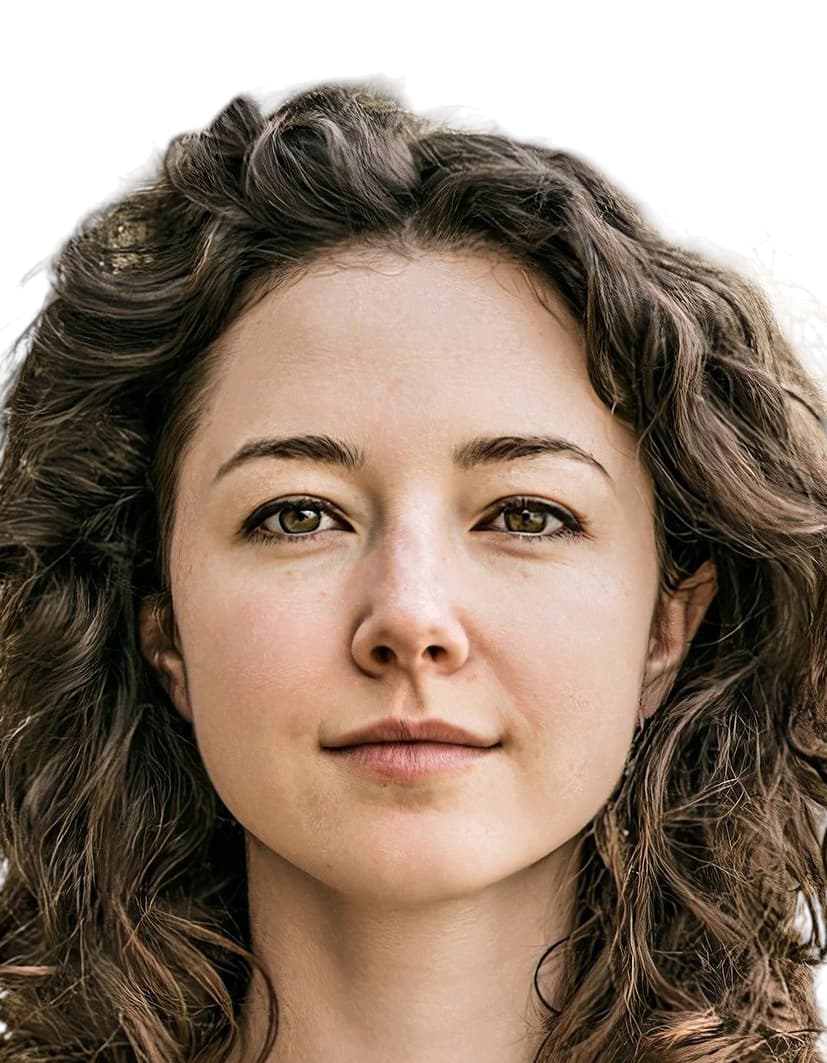
Suriname visa photos and the VFS Global E-Visa channel
Suriname visas are issued by the Ministry of Foreign Affairs, International Business and International Cooperation (BIBIS), with operational intake handled exclusively by VFS Global through the suriname.vfsevisa.com portal. The same 35 × 45 mm photo specification, published in the Suriname Embassy criteria document, governs every E-Tourist, E-Business, E-Transit, study, work, and family-visit application filed online.
There is no in-person biometric capture for Suriname visas in most countries. Every applicant uploads a self-supplied digital photo, or submits printed copies by mail or walk-in for the narrow set of categories that still route through an embassy or consulate. The Surinamese Embassy in Washington also accepts the 2 × 2 inch US format at its counter, and the consulates in Amsterdam and The Hague have historically accepted the 30 × 40 mm European print.
VFS automated checks on the E-Visa portal are strict. Photos that fall outside the published rules on framing, head position, expression, background, or recency are returned, and a returned photo means the entire application is held until a compliant image is uploaded. Tourists eligible for the Suriname Entry Fee should note that the Entry Fee flow does not require a photograph at all; only the full E-Visa flow does.
Suriname visa photo requirements
The Ministry of Foreign Affairs (BIBIS) and VFS Global enforce a uniform photo standard across all Suriname visa categories. Subject rules to follow before you submit:
Expression & pose
- Neutral expressionKeep a neutral face with the mouth closed. No smiling, no visible teeth, and no raised eyebrows.
- Eyes open and forwardBoth eyes must be fully open, looking directly at the camera, and free of obstruction.
- Straight head positionFace the camera straight on. The embassy criteria require strict portrait style with the head not turned, tilted, or rotated.
- Squared shouldersShoulders should be squared to the camera so that the face and upper torso are presented frontally.
Eyewear & lenses
- Glasses discouragedPrescription glasses are officially permitted only if the frames do not cover the eyes and there are no reflections on the lenses. VFS automated checks frequently reject any eyewear, so removing glasses is recommended.
- Tinted lenses prohibitedSunglasses, tinted lenses, and heavily coloured frames are not accepted under any circumstances.
Hair & ears
- Ears fully visibleBoth ears must be visible in the photo. Long hair must be tucked behind the ears so the face oval is unobstructed.
- No forehead bangsHair must not fall across the forehead or cover the eyebrows. Bangs that obscure the upper face are prohibited.
Headwear
- Religious or medical onlyHeadwear is prohibited except when worn daily for religious, medical, or cultural reasons. When worn, the full face from chin to forehead must remain visible with no shadows cast across the features.
Jewelry & cosmetics
- Minimal jewelryKeep jewelry minimal. Pieces that cast shadows on the face or cause flash glare are not acceptable.
- Everyday makeup onlyNormal everyday makeup is acceptable. Dramatic cosmetics that alter the applicant’s natural appearance are prohibited.
Clothing
- Normal daily attireWear normal daily clothing. Uniforms are not permitted unless the garment is daily religious dress.
- Contrast with backgroundChoose clothing that contrasts with the light background. White or very pale tops are best avoided since they blend into the photo.
Photo quality
- No red-eyeRed-eye is not accepted, and digital red-eye correction is explicitly prohibited. Retake the photo if the eyes show red reflection from the flash.
- No shadows on the faceThe face must be evenly lit with no shadows cast by hats, hair, or jewelry.
- Current appearanceThe photo must have been taken within the last three months and must reflect the applicant’s current appearance. Significant changes in appearance require a fresh photo regardless of the three-month window.
Dimensions, resolution & background.
Head position & camera distance.
- Head height, measured from the bottom of the chin to the top of the head, must be between 33 mm and 36 mm (roughly 73–81% of the photo height).
- Eyes must sit between 21 mm and 25 mm from the bottom of the photo.
- The head must be centered horizontally in the frame with a small symmetrical margin on each side.
- Both shoulders must be square to the camera and visible. Three-quarter angles or rotated torsos are not accepted.
- The full face from chin to crown must be inside the frame with proper top margin.
How recent the photo must be.
Your visa photo must have been taken within the last three months. A new photo is required sooner whenever your appearance has changed in a way that makes the old photo no longer recognizable.
You need a new photo if you’ve had…
- Facial surgery or a major change to facial structure
- A significant gain or loss of weight that visibly changes your face
- Large facial tattoos or piercings added or removed
- A gender transition that has changed your appearance
You do not need a new photo just because of…
- A new hair color
- Growing or removing a beard or moustache
- Ordinary, minor aging
- A new hairstyle that still leaves the face fully visible
Photos for infants and young children.
Suriname does not publish relaxed photo criteria for children or infants, so the adult subject rules apply. The note below covers the practical accommodations VFS Global makes for the youngest applicants.
Infants (under 12 months)
Suriname does not publish a separate infant photo standard, and the adult rules apply on paper. In practice, VFS Global accepts that newborns cannot hold a neutral expression or a perfectly straight pose, and reviewers apply the pose and expression rules leniently for this age group.
- Expression leniencyA fully neutral expression is not required. A relaxed mouth with eyes open and looking toward the camera is accepted.
- Pose toleranceSmall amounts of head tilt and rotation are tolerated for infants who cannot hold their head upright independently.
- Subject alone in frameHands, arms, supporting cushions, and other people must not be visible anywhere in the photo. The infant must be the only subject.
- Eyes openBoth eyes should be open and visible. Photos with the infant asleep or eyes closed are not accepted.
Other things to know.
A few Suriname-specific quirks routinely catch applicants out:
Matte finish required for prints
The Suriname Embassy criteria explicitly state that printed photos must not have a glossy finish. Use matte photographic paper. Glossy prints from standard photo booths are grounds for rejection.
Three-month recency rule
Photos must have been taken within the last three months. This is stricter than the six-month standard used by most other countries, and recent travel photos that pre-date the three-month window will be rejected.
Entry Fee skips the photo
Travellers from Entry-Fee-eligible nationalities (including the US, Canada, and EU member states) pay the Suriname Entry Fee instead of applying for an E-Tourist Visa, and no photograph is required for that flow. A photo is only needed for the actual E-Visa categories and embassy-issued visas.
US Embassy walk-in uses 2x2 in
The Suriname Embassy in Washington D.C. accepts the US-standard 2 x 2 inch (51 x 51 mm) square format for walk-in and mail submissions as a practical accommodation. All other channels, including the VFS Global E-Visa portal, use the 35 x 45 mm format.
Take your Suriname visa photo at home in three steps.
Plus a human layer. Your files are ready the moment the automatic checks pass — and a real passport-photo specialist also reviews each one, usually within minutes, touching up small issues or flagging anything that needs your attention.
Free to check, and reviewed by a real expert. You only pay when you keep it.
Print-quality requirements for in-person submissions.
When you submit a printed photo at a visa application centre, the paper, finish, and ink all matter. The points below cover the standards most consular missions accept.
- Print on photographic-quality paper at 300 DPI minimum.
- Use a matte or semi-gloss finish; high-gloss can produce reflections that confuse biometric scanners.
- Do not retouch, crop, or alter the photo after printing.
- Bring at least two identical prints when the submission channel calls for paper photos.