Sierra Leone visa photos and the Sierra Leone Immigration Department
Sierra Leone visa photos are reviewed by the Sierra Leone Immigration Department (SLID), the authority that runs the national eVisa portal at evisa.sl and oversees consular visa intake at Sierra Leonean missions abroad. SLID applies one generic biometric photo standard across every visa category, including tourist, business, student, work, official, and visa-on-arrival pre-approvals integrated with the eVisa system since 2024.
There is no Visa Application Centre network for Sierra Leone visas. Applicants either upload a digital photo through the eVisa portal or submit printed copies directly to an embassy or high commission, with print sizes that vary by mission. The Embassy in Rabat publishes a 30×40 mm rule and asks for two prints, the Washington DC embassy accepts 2×2 inch prints, and most other missions follow the 35×45 mm biometric default.
A photo that fails the white background, full-face, or print-quality requirements is grounds for rejection of the application or a request for resubmission, which delays issuance and can void a planned travel date. Because the eVisa portal enforces its constraints silently at upload, a non-compliant file is simply refused without a detailed error, so getting the photo right on the first attempt matters.
What the Sierra Leone Immigration Department expects in your photo
The Sierra Leone Immigration Department (SLID) reviews each visa photo against a general passport-style standard. The subject-side rules below apply across every visa category and channel.
Expression & pose
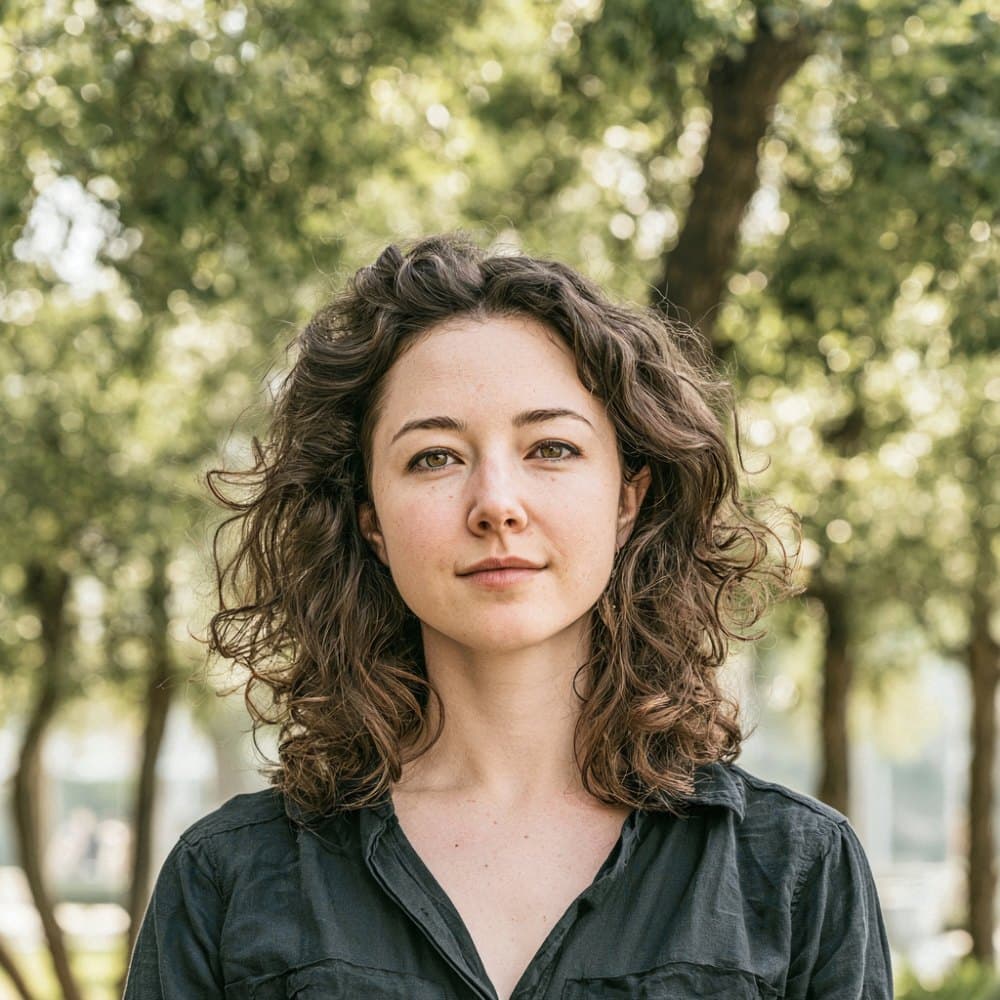
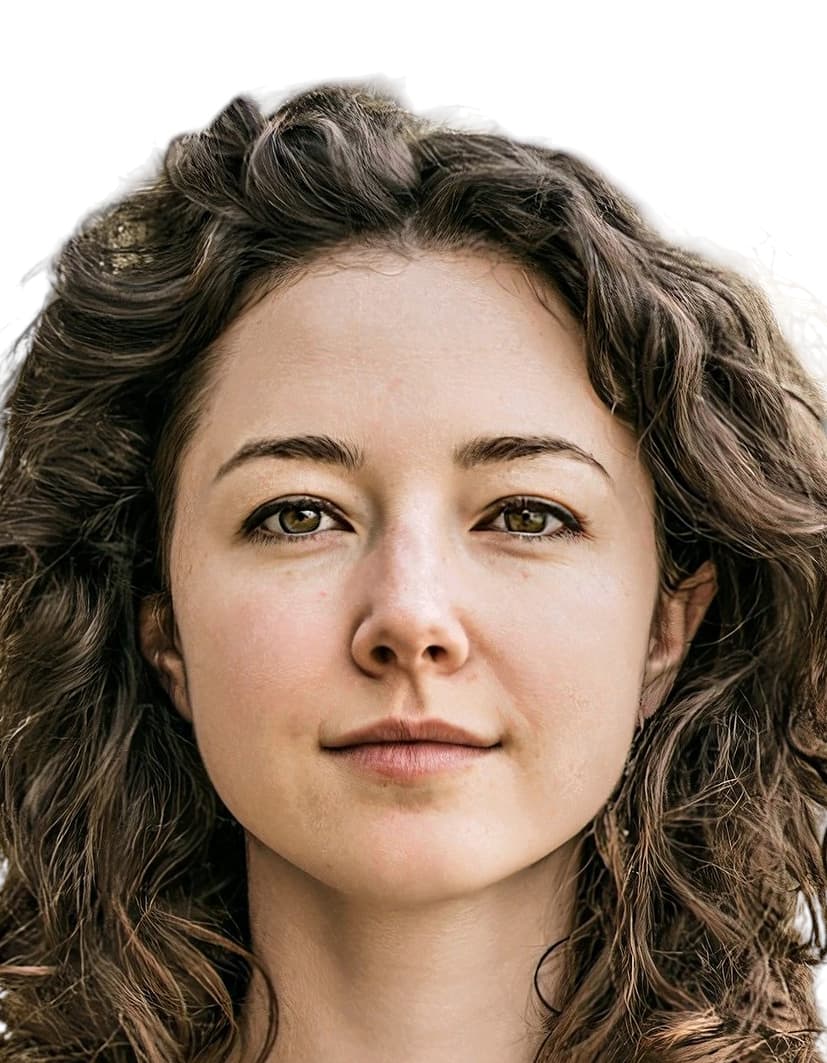
- Full-face frontal poseFace the camera squarely so both sides of the face are equally visible. Profile, three-quarter, and tilted poses are not accepted. The Rabat embassy specifies that the features of the face must be shown clearly.
- Neutral expressionKeep a neutral expression with the mouth closed. Smiling, frowning, or open-mouth poses are not appropriate for a Sierra Leone visa photo.
- Eyes open and visibleBoth eyes must be open and looking straight at the camera. Hair, glasses frames, or shadows must not cover the eyes.
Eyewear & lenses
- EyeglassesGlasses are best removed for a Sierra Leone visa photo. If they are worn, the lenses must be clear, the eyes fully visible, and there must be no glare or reflection on the lenses.
- Sunglasses & tinted lensesSunglasses, photochromic lenses that have darkened, and any tinted lenses are not accepted.
Hair & facial hair
- Hair off the faceHair must not cross the eyes or obscure the outline of the face. Style long hair behind the shoulders or tucked away from the cheeks and jawline.
- Facial hairBeards and moustaches are acceptable provided they reflect the applicant’s everyday appearance and do not obscure the mouth or chin line.
Headwear
- Hats and capsHats, caps, headbands, and other non-religious head coverings are not permitted.
- Religious head coveringsReligious headwear worn daily is permitted provided the full face is visible from the bottom of the chin to the top of the forehead and from one ear to the other, with no shadow cast across the face.
Jewelry & accessories
- Visible faceEarrings, nose studs, and other small jewelry are acceptable as long as they do not obscure or cast shadows on the face. Remove anything that covers facial features.
- Headphones & earbudsHeadphones, earbuds, and bluetooth devices must be removed before the photo is taken.
Clothing
- Everyday clothingWear ordinary street clothing. Uniforms, including military and camouflage patterns, are not appropriate for a visa photo.
- Contrast with backgroundChoose a top that contrasts with the plain white background so the outline of the head and shoulders is clearly defined.
Dimensions, resolution & background.
Head position & camera distance.
- Head height, measured from the bottom of the chin to the top of the head, must be between 33 mm and 36 mm (roughly 73–81% of the photo height).
- Eyes must sit between 21 mm and 25 mm from the bottom of the photo.
- The head must be centered horizontally in the frame with a small symmetrical margin on each side.
- Both shoulders must be square to the camera and visible. Three-quarter angles or rotated torsos are not accepted.
- The full face from chin to crown must be inside the frame with proper top margin.
How recent the photo must be.
Your visa photo must have been taken within the last six months. A new photo is required sooner whenever your appearance has changed in a way that makes the old photo no longer recognizable.
You need a new photo if you’ve had…
- Facial surgery or a major change to facial structure
- A significant gain or loss of weight that visibly changes your face
- Large facial tattoos or piercings added or removed
- A gender transition that has changed your appearance
You do not need a new photo just because of…
- A new hair color
- Growing or removing a beard or moustache
- Ordinary, minor aging
- A new hairstyle that still leaves the face fully visible
Other things to know.
A few channel-specific points are worth knowing before you submit.
No visa application centre
Sierra Leone does not use VFS Global, TLScontact, BLS, or any other third-party visa application centre for its own visas. Applications run through the eVisa portal at evisa.sl or directly through a Sierra Leone embassy or high commission.
Mission-specific print sizes
Different missions accept different print sizes. The Embassy in Rabat requires two colour prints at 30 by 40 mm, the Embassy in Washington DC works to 2 by 2 inches, and London follows the 35 by 45 mm biometric default. Confirm with your processing mission before printing.
Visa-on-arrival pre-enrolment
Since 2024, visa-on-arrival travellers must pre-enrol through the eVisa portal before boarding. The photo is uploaded online through the same channel as a standard eVisa application; no separate photo is collected at Lungi International Airport.
Rabat embassy requires two prints
Applications lodged at the Embassy of Sierra Leone in Rabat must include two identical printed colour copies of the photo. Most other missions accept a single print.
Take your Sierra Leone visa photo at home in three steps.
Plus a human layer. Your files are ready the moment the automatic checks pass — and a real passport-photo specialist also reviews each one, usually within minutes, touching up small issues or flagging anything that needs your attention.
Free to check, and reviewed by a real expert. You only pay when you keep it.
Print-quality requirements for in-person submissions.
When you submit a printed photo at a visa application centre, the paper, finish, and ink all matter. The points below cover the standards most consular missions accept.
- Print on photographic-quality paper at 300 DPI minimum.
- Use a matte or semi-gloss finish; high-gloss can produce reflections that confuse biometric scanners.
- Do not retouch, crop, or alter the photo after printing.
- Bring at least two identical prints when the submission channel calls for paper photos.