

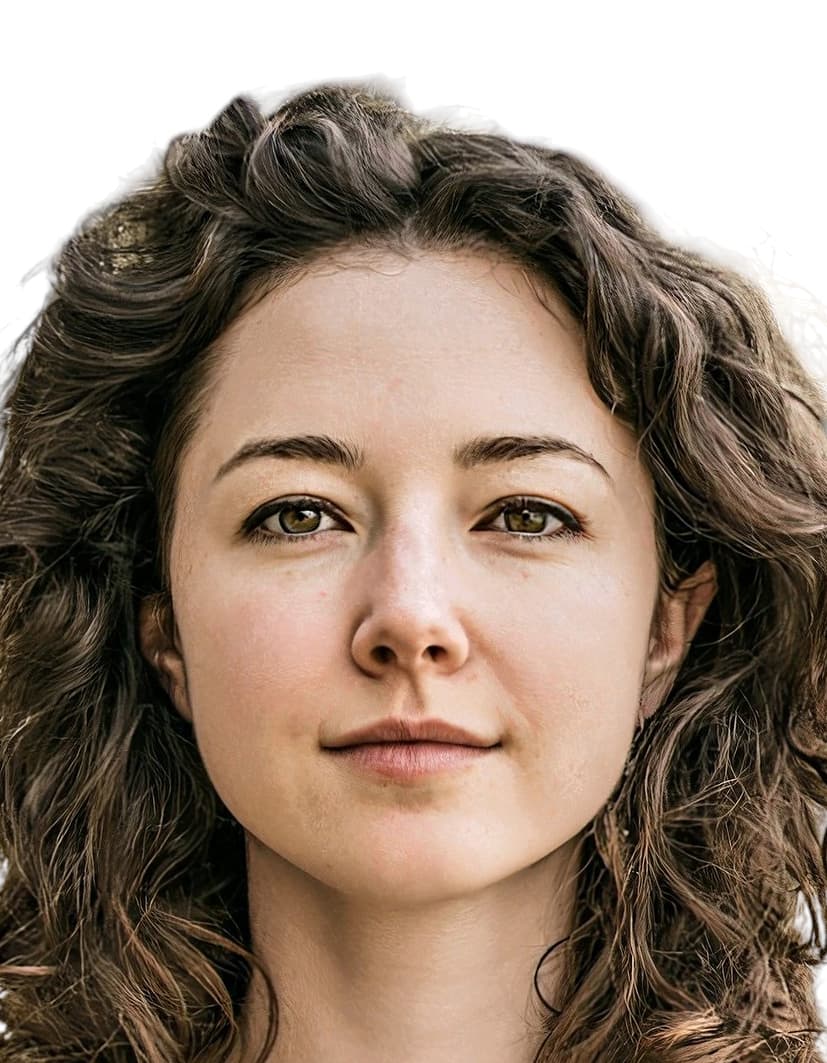
Slovenia visa photo rules from the Ministry of Foreign and European Affairs
Slovenia is a Schengen state, and visa photos are governed by the Ministry of Foreign and European Affairs (Ministrstvo za zunanje in evropske zadeve). The same 35x45 mm ICAO-compliant photo applies uniformly to airport transit (Type A), short-stay Schengen (Type C), and long-stay national (Type D) visas. Some embassy pages list the dimension in height-first form as 45x35 mm, but the physical photo is identical and always portrait orientation.
There is no DIY digital upload channel for Slovenia visas. The electronic application form on gov.si lets applicants pre-fill their details, but the printed form and physical photos must be lodged in person at a Slovenian embassy, consulate, or VFS Global visa application centre (TLScontact handles a handful of jurisdictions). Two identical printed copies are the standard expectation, lightly glued to the application form, and a live facial image plus fingerprints are captured on site for the EU VIS database in addition to the supplied prints.
Slovenian consular staff and VFS Global agents apply the rules strictly. Photos that fall outside the published spec, that show glasses, or that pair pale clothing with a white background are routinely sent back, which delays the appointment and can force a return visit to the visa centre.
Slovenia visa photo requirements
The Ministry of Foreign and European Affairs follows the Schengen ICAO standard. The subject-side rules below are what consular officers and VFS Global agents check first.
Expression & pose
- Neutral expressionThe applicant must hold a neutral expression with the mouth closed. Smiling, showing teeth, raised eyebrows, and frowning are all grounds for rejection.
- Head straightThe face must point squarely at the camera with the head level. Tilting or turning the head away from a fully frontal pose is not accepted.
- Eyes open and visibleBoth eyes must be open, looking directly at the lens, and free of hair, glare, or shadow. Red-eye is prohibited.
- Shoulders squareShoulders must be squared to the camera so the head and upper body sit straight in the frame.
Eyewear & lenses
- EyeglassesGlasses are prohibited. VFS Global and Slovenian consular staff routinely reject photos with eyewear, including thin medical frames, so applicants should remove glasses before the photo is taken.
- Tinted and coloured lensesSunglasses, tinted lenses, and coloured contact lenses that alter natural eye colour are not permitted.
Hair & facial hair
- Hair off the faceHair must not cover the eyes, eyebrows, or the edges of the face. Bangs that touch the eyebrows must be swept aside.
- Facial hairBeards and moustaches are acceptable provided they reflect the applicant’s everyday appearance and do not obscure facial features.
Headwear
- No hats or capsHeadwear is prohibited. Slovenian missions only accept head coverings worn for religious or documented medical reasons.
- Religious coveringsWhen a head covering is worn for religious reasons, the full face from the chin to the forehead and both edges of the face must remain clearly visible, with no shadows cast on the face.
Jewelry & accessories
- Discreet jewelry onlySmall, non-reflective jewelry is permitted. Large earrings, pendants, or pieces that draw attention or reflect light into the lens should be removed.
- Nothing covering the faceScarves, masks, hair accessories, and any item that obscures the chin, cheeks, or forehead must be removed.
Cosmetics
- Light, everyday makeupOnly light everyday makeup is acceptable. Heavy cosmetics that change the applicant’s appearance or skin tone are grounds for rejection.
Clothing
- Contrast with the backgroundClothing must contrast with the white background. White, cream, and very pale tops are a frequent cause of rejection at VFS Global Slovenia centres because the shoulders blend into the backdrop.
- Everyday attireOrdinary day clothing is expected. Uniforms and camouflage patterns are not accepted unless worn for religious reasons.
Photo quality
- No shadows on the faceThe face must be free of heavy shadows, including shadows cast by hair, headwear, or jewelry.
- No red-eyeRed-eye must be avoided at capture. Slovenian consular guidance discourages post-capture correction of red-eye on visa photos.
Dimensions, resolution & background.
Head position & camera distance.
- Head height, measured from the bottom of the chin to the top of the head, must be between 33 mm and 36 mm (roughly 73–81% of the photo height).
- Eyes must sit between 21 mm and 25 mm from the bottom of the photo.
- The head must be centered horizontally in the frame with a small symmetrical margin on each side.
- Both shoulders must be square to the camera and visible. Three-quarter angles or rotated torsos are not accepted.
- The full face from chin to crown must be inside the frame with proper top margin.
How recent the photo must be.
Your visa photo must have been taken within the last six months. A new photo is required sooner whenever your appearance has changed in a way that makes the old photo no longer recognizable.
You need a new photo if you’ve had…
- Facial surgery or a major change to facial structure
- A significant gain or loss of weight that visibly changes your face
- Large facial tattoos or piercings added or removed
- A gender transition that has changed your appearance
You do not need a new photo just because of…
- A new hair color
- Growing or removing a beard or moustache
- Ordinary, minor aging
- A new hairstyle that still leaves the face fully visible
Photos for infants and young children.
Slovenian consular rules grant limited concessions for younger applicants. Adult rules apply in full from age 10.
Infants (under 1 year)
The Ministry relaxes pose and gaze rules for babies under one year, but the child must still appear alone in the frame.
- Eyes may be closedInfants under one year are not required to have their eyes open.
- Relaxed head positionStrict frontal alignment and line-of-sight rules are eased for this age group, though the face must still be reasonably visible.
- Child alone in the frameNo supporting hands, arms, toys, pacifiers, or other people may appear in the photo. Laying the infant on a plain white cloth and photographing from above is accepted.
Children (1 to 9 years)
Children in this band receive slight leniency on framing precision, but the visual rules still apply.
- Neutral expression preferredA neutral expression with the mouth closed remains the standard, although consular officers apply it less strictly for young children.
- Slight framing leniencyExact head height and eye position are applied less rigidly for children under 10.
- Child must appear aloneParents, siblings, hands, and props must not be visible in the photograph.
Other things to know.
A few Slovenia-specific procedural points worth knowing before applying.
No e-visa portal
Slovenia does not operate an e-visa upload channel. The online form on gov.si is a pre-fill tool only; the printed application and physical photos must be lodged in person at a Slovenian embassy or a VFS Global visa application centre.
Two printed copies
Most Slovenian missions and VFS centres require two identical printed photos, lightly glued to the application form. Prints must be on photographic paper and free of creases, staple marks, or smudges.
Live biometrics at intake
In addition to the printed photo, the VAC or embassy captures a live facial image and ten fingerprints for the EU VIS database. Applicants whose VIS biometrics were enrolled in the previous 59 months may be exempt from the live capture but still submit a printed photo.
Stricter recency at some VACs
Slovenian embassies generally accept photos up to six months old, but certain VFS jurisdictions including China enforce a three-month limit. Using a photo taken within the last three months is the safest default.
Take your Slovenia visa photo at home in three steps.
Plus a human layer. Your files are ready the moment the automatic checks pass — and a real passport-photo specialist also reviews each one, usually within minutes, touching up small issues or flagging anything that needs your attention.
Free to check, and reviewed by a real expert. You only pay when you keep it.
Print-quality requirements for in-person submissions.
When you submit a printed photo at a visa application centre, the paper, finish, and ink all matter. The points below cover the standards most consular missions accept.
- Print on photographic-quality paper at 300 DPI minimum.
- Use a matte or semi-gloss finish; high-gloss can produce reflections that confuse biometric scanners.
- Do not retouch, crop, or alter the photo after printing.
- Bring at least two identical prints when the submission channel calls for paper photos.