
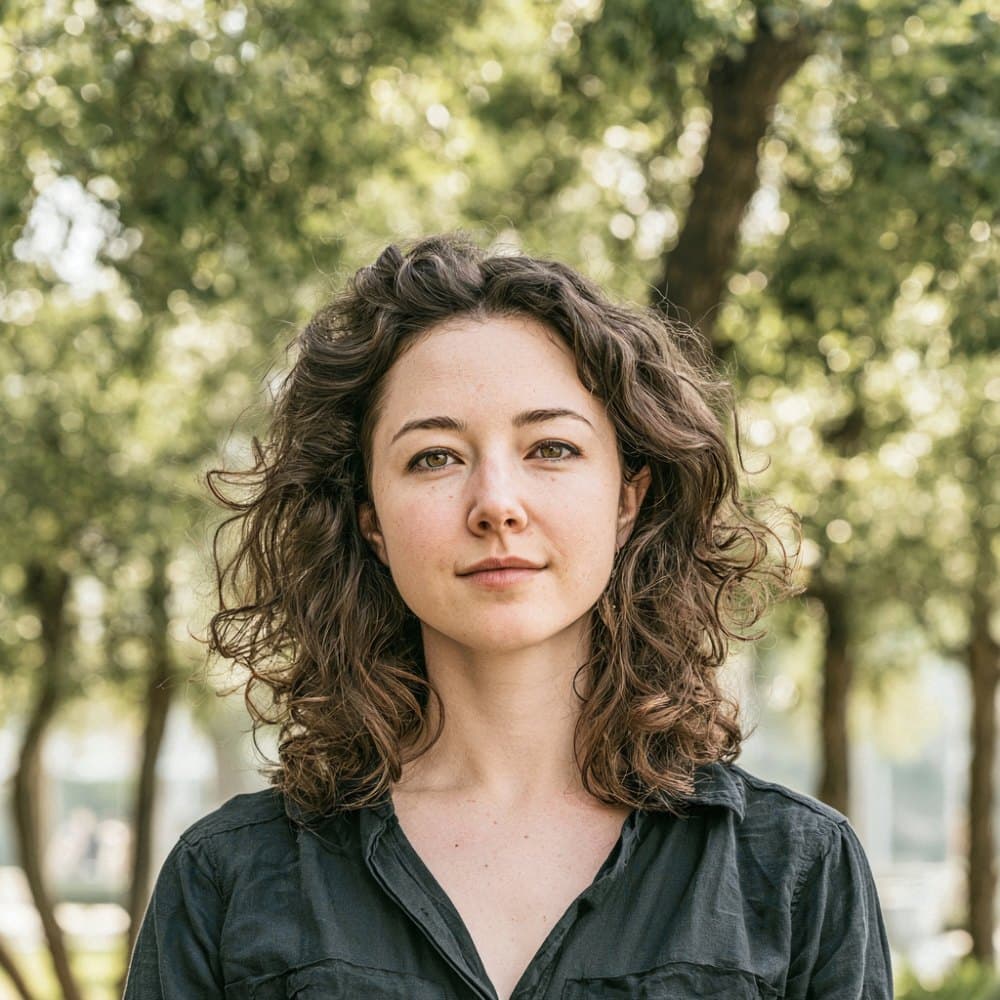
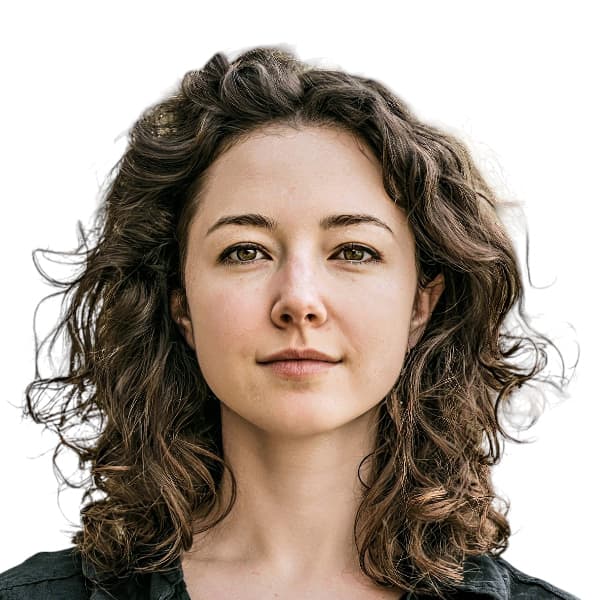
About the Saudi Arabia visa photo standard
Saudi visa photos are governed by the Ministry of Foreign Affairs (MOFA) and the Saudi Tourism Authority, with the canonical specification published on the official tourist eVisa portal at visa.visitsaudi.com. The same photo standard is reused across the unified ksavisa.sa platform for business, work, family-visit, and student applications, and across Tasheer Visa Application Centres for sticker-visa submissions.
Submission channels vary by visa category. Tourist, Umrah, and transit eVisas accept a digital upload only, with the portal enforcing an exact 200×200 px image and a 5 to 100 KB file size. Sticker-visa categories submitted through Tasheer (or, in legacy jurisdictions, VFS Global) require a printed photo at the local passport-photo standard plus on-site biometric capture for applicants over the age of six, a step that has been mandatory since January 2024.
Saudi authorities apply the rules strictly. The eVisa portal returns hard errors for off-by-one pixel mismatches and oversized files, and Tasheer reviewers reject prints for background colour, visible ears, or expression issues at the counter. A non-compliant photo blocks the application from progressing and, for sticker visas, can require a return visit to the visa centre.
Saudi Arabia visa photo requirements
The Saudi Tourism Authority and Ministry of Foreign Affairs enforce these subject-level rules across the eVisa portal, ksavisa.sa, and Tasheer visa application centres.
Expression & pose
- Neutral expressionThe applicant must hold a neutral expression with no smile. The mouth must be fully closed, with no parting of the lips.
- Eyes open and forwardBoth eyes must be open, clearly visible, and looking directly at the camera. No hair may fall across the eyes.
- Head square to cameraPer visa.visitsaudi.com, the head must be square to the camera. Slight rotation or tilt is tolerated, but the face must remain frontal.
- Cheeks visibleBoth cheeks must be clearly visible in the frame, without obstruction by hair, hands, or accessories.
Eyewear & lenses
- Prescription glassesGlasses must be removed for the photograph. Saudi authorities require an unobstructed view of the eyes, and frames or lens glare on the eyes are grounds for rejection.
- Tinted lensesTinted lenses, sunglasses, and transition lenses that have darkened are not accepted.
- Frames over the eyesThick frames that cover any part of the eyes are prohibited. Frames must not obscure the pupils or cast shadows across the eye region.
Hair & ears
- Ears visibleBoth ears must be clearly visible, per visa.visitsaudi.com. Long hair should be tucked behind the ears or tied back.
- Hair clear of the eyesHair must not fall across the eyes or eyebrows. A fringe that sits above the eyebrows is acceptable.
Headwear
- General headwearHats, caps, and other non-religious headwear are not permitted in the photo.
- Religious head coveringsHijab and other religious head coverings are accepted provided the full face is visible from the chin to the forehead and the covering casts no shadow across the face.
- Niqab and face veilsNiqab and any face veil must be removed for the photo. The face must be fully uncovered for biometric capture.
Clothing
- Dark or coloured topsModest clothing in a darker or coloured tone is required. White and very light tops blend into the white background and trigger rejection.
- No uniformsMilitary, police, and other official uniforms are not permitted on civilian visa applications.
- Plain garmentsHeavily patterned clothing should be avoided in favour of plain fabrics.
Cosmetics & jewelry
- MakeupOnly light, natural makeup is acceptable. Cosmetics that materially alter the applicant’s natural appearance are not permitted.
- JewelryJewelry that produces glare, reflections, or shadows on the face should be removed before the photo is taken.
Dimensions, resolution & background.
Head position & camera distance.
- Head height, measured from the bottom of the chin to the top of the head, must be between 35.6 mm and 40.6 mm (roughly 70–80% of the photo height).
- Eyes must sit between 8.5 mm and 10.2 mm from the bottom of the photo.
- The head must be centered horizontally in the frame with a small symmetrical margin on each side.
- Both shoulders must be square to the camera and visible. Three-quarter angles or rotated torsos are not accepted.
- The full face from chin to crown must be inside the frame with proper top margin.
Saudi Arabia accepts more than one size — we generate them all.
Saudi Arabia publishes more than one acceptable format depending on where you submit your application — domestic passport offices, the official online portal, and regional consulates abroad can each call for a different print or pixel size. We render every variant below from the same source photo, so the head sits at the same physical position across files, and each one arrives in your order email with a clear filename indicating which submission channel it's for.
Saudi Arabia Visa 2×2 in
Primary · Print + DigitalSaudi Arabia's official format — the same file works for both printed in-person submissions and the online portal upload.
Saudi Arabia Visa 200×200 px — Enjaz portal
Digital uploadFormat for the Saudi Enjaz visa portal upload.
How recent the photo must be.
Your visa photo must have been taken within the last six months. A new photo is required sooner whenever your appearance has changed in a way that makes the old photo no longer recognizable.
You need a new photo if you’ve had…
- Facial surgery or a major change to facial structure
- A significant gain or loss of weight that visibly changes your face
- Large facial tattoos or piercings added or removed
- A gender transition that has changed your appearance
You do not need a new photo just because of…
- A new hair color
- Growing or removing a beard or moustache
- Ordinary, minor aging
- A new hairstyle that still leaves the face fully visible
Photos for infants and young children.
Saudi Arabia relaxes a small number of subject rules for the youngest applicants, but a compliant photo is still required.
Infants (under 12 months)
Saudi authorities relax the strictest pose and expression rules for infants while keeping the framing and background requirements intact.
- ExpressionThe neutral-expression rule is relaxed. Any natural expression is accepted.
- EyesInfants are not required to have both eyes fully open and looking at the camera.
- Head positionA wider tolerance applies to head tilt and rotation for infants who cannot hold their head steady.
- Alone in frameThe infant must be photographed alone on a plain white sheet, or in a white-covered car seat shot from above. No hands, parents, toys, or pacifiers may appear in frame.
- Fingerprinting exemptionChildren under 6 are exempt from fingerprinting at Tasheer visa application centres but still require a compliant photo.
Other things to know.
A few Saudi-specific quirks catch applicants out even when the photo itself looks correct.
Mandatory biometric capture for sticker visas
Since January 2024, work, business, and family-visit applicants must attend a Tasheer visa application centre in person for on-site biometric capture. The live capture becomes the photo of record, although the digital upload is still required at pre-registration.
Print size varies by jurisdiction
Saudi Arabia accepts the local passport-photo standard for physical prints attached to sticker-visa applications. That is 2 by 2 inches in the US, Canada, and India, 35 by 45 mm in the UK and Europe, and 40 by 60 mm at select Tasheer centres in Asia.
No photo for visa-on-arrival
Travellers eligible for visa-on-arrival do not submit an applicant-supplied photo. Their image is captured live at the immigration counter on entry.
Photo recency
The submitted photo must have been taken within the last six months and must reflect the applicant’s current appearance.
Take your Saudi Arabia visa photo at home in three steps.
Plus a human layer. Your files are ready the moment the automatic checks pass — and a real passport-photo specialist also reviews each one, usually within minutes, touching up small issues or flagging anything that needs your attention.
Free to check, and reviewed by a real expert. You only pay when you keep it.
Print-quality requirements for in-person submissions.
When you submit a printed photo at a visa application centre, the paper, finish, and ink all matter. The points below cover the standards most consular missions accept.
- Print on photographic-quality paper at 300 DPI minimum.
- Use a matte or semi-gloss finish; high-gloss can produce reflections that confuse biometric scanners.
- Do not retouch, crop, or alter the photo after printing.
- Bring at least two identical prints when the submission channel calls for paper photos.