
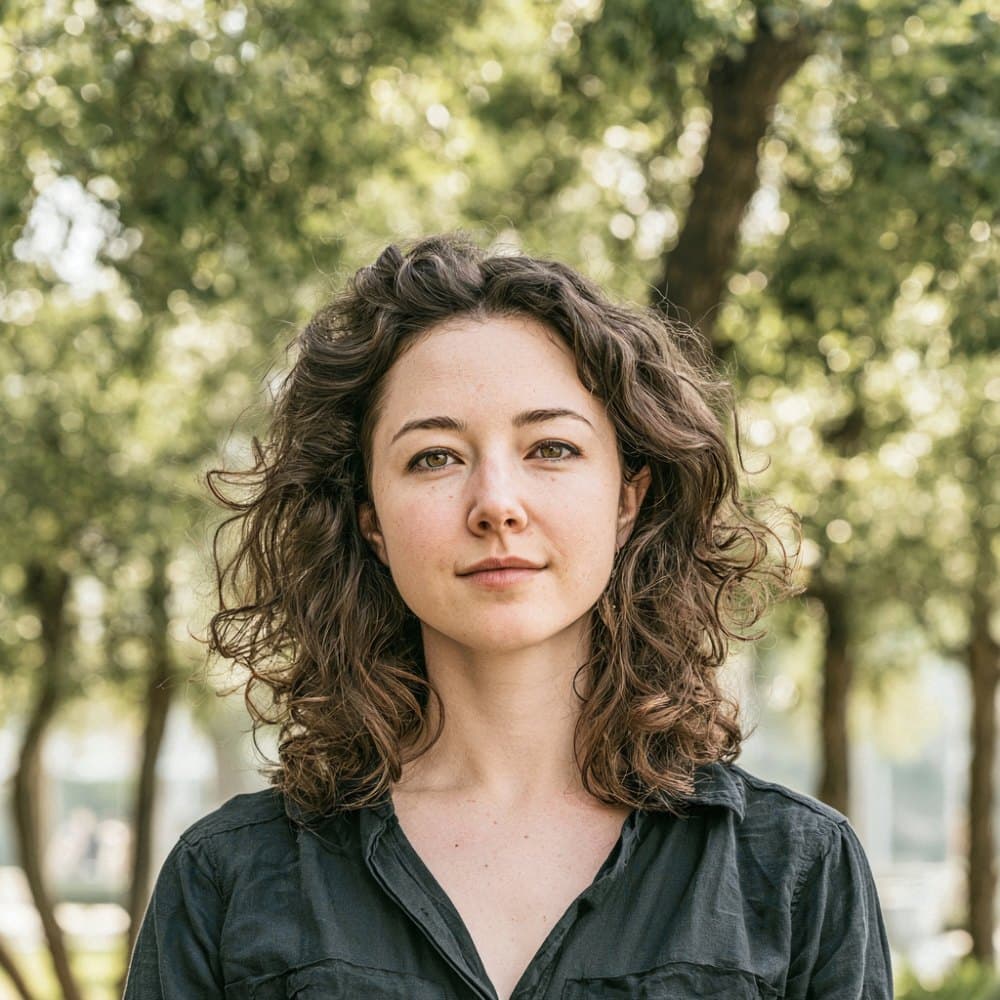
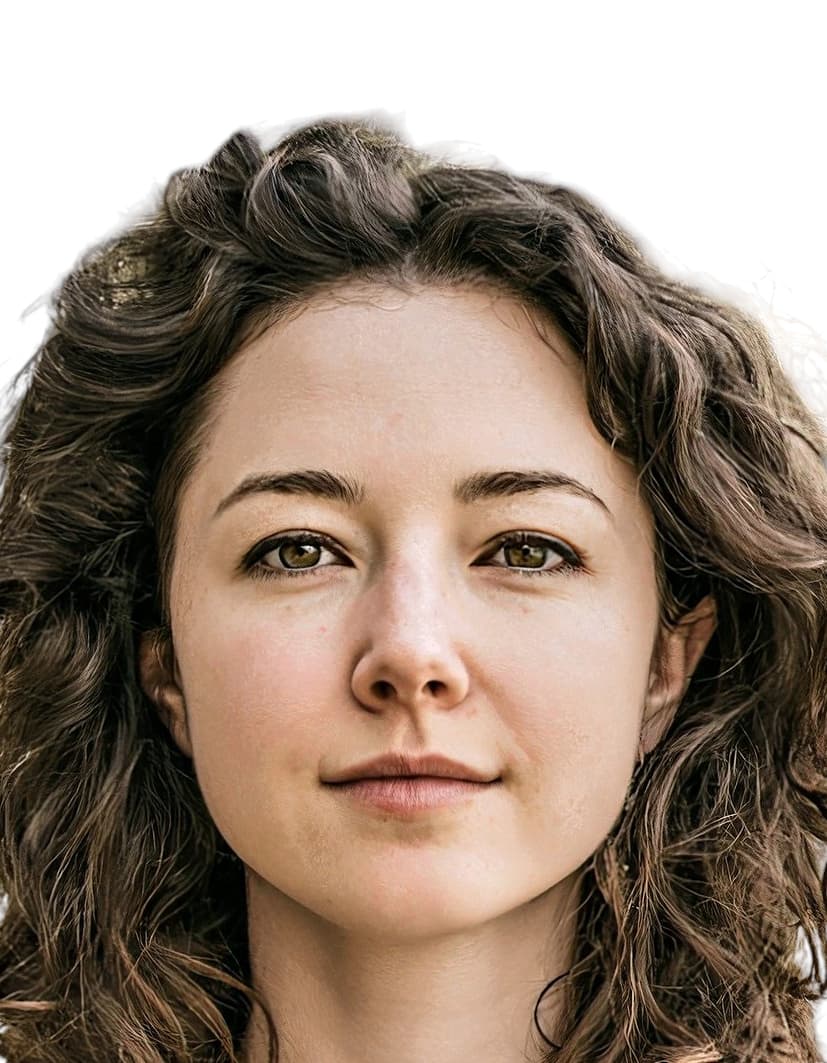
Romania visa photos issued under the Ministry of Foreign Affairs (MAE)
Romania’s visa photo standard is set by the Ministerul Afacerilor Externe (MAE) and, since the country joined the Schengen area for air and sea borders on 31 March 2024, has been aligned with the Schengen and ICAO biometric framework. The same biometric photograph is used across short-stay Type C visas, transit visas, and national long-stay Type D visas.
Every visa file passes through more than one channel. Applicants must pre-lodge the application through the MAE E-VIZA portal at evisa.mae.ro, which is a digital intake system rather than a standalone e-visa, and then attend a Romanian consulate or a VFS Global or BLS International visa application centre to submit printed photographs and complete live biometric capture for the VIS database. The uploaded digital photo and the printed copies must both meet the MAE specification.
MAE and its VAC partners enforce the rules strictly. A photo that fails on expression, pose, eyewear, headwear, or recency will be refused at the counter, and the application is held until a compliant replacement is supplied. Photographs older than six months are not accepted, even if the applicant’s appearance is unchanged.
What the MAE requires in a Romania visa photo
The Ministry of Foreign Affairs enforces Schengen and ICAO biometric standards for Romanian visa photos. The rules below cover what the applicant must look like in the final image.
Expression & pose
- Neutral expressionThe applicant must hold a neutral expression with the mouth closed and teeth not visible. Smiling, frowning, or raised eyebrows cause rejection.
- Eyes open and forwardEyes must be fully open and looking directly at the camera. Squinting and half-closed eyes are not accepted.
- Head straightThe head must face the camera squarely, neither tilted nor turned. Three-quarter and portrait-style poses are rejected.
- Recent likenessThe photo must be less than six months old and reflect the applicant’s current appearance. A new photo is required after significant changes to facial appearance.
Eyewear & lenses
- EyeglassesGlasses are not permitted. The MAE allows an exception only for documented medical necessity, in which case frames must not cover any part of the eyes and lenses must show no glare or reflection.
- Tinted and sunglassesTinted lenses, sunglasses, and coloured contact lenses are prohibited. The natural eye colour must be clearly visible.
Hair & facial features
- Hair off the faceHair must not cover the eyes, eyebrows, or the outline of the face. The forehead, cheeks, and chin must remain visible.
- Bangs and fringesBangs that fall across the forehead and obscure facial features are not accepted. Style hair so the full face is exposed.
- EarsVisible ears are preferred. The facial contour must be clear regardless.
Headwear
- General ruleHeadwear is prohibited. The MAE permits coverings only for religious or documented medical reasons.
- Permitted coveringsWhen religious or medical headwear is worn, the face must be fully visible from the bottom of the chin to the top of the forehead, with both edges of the face exposed and no shadows cast onto the face.
Jewelry & accessories
- Minimal jewelryLarge or reflective jewelry that obscures facial geometry or causes glare is not accepted. Discreet items that do not interfere with the face are acceptable.
- No obstructionsPiercings, hair accessories, or earrings that hide facial features must be removed before the photo is taken.
Cosmetics
- Natural appearanceMakeup must not alter the applicant’s natural appearance or change biometric features. Heavy contouring and cosmetic effects that modify the face shape are rejected.
Clothing
- Everyday clothingApplicants should wear ordinary street clothing that contrasts with the light background. Uniforms are discouraged, with the exception of religious attire.
Photo quality
- No facial shadowsShadows must not fall across the face or under the chin. Shadows cast by headwear, hair, or harsh side light are a common rejection reason.
- No red-eyeRed-eye and visible flash reflections in the eyes are not accepted.
- Sharp subjectThe applicant must hold still. Motion blur, double exposure, or out-of-focus features cause rejection.
Dimensions, resolution & background.
Head position & camera distance.
- Head height, measured from the bottom of the chin to the top of the head, must be between 33 mm and 36 mm (roughly 73–81% of the photo height).
- Eyes must sit between 19 mm and 24 mm from the bottom of the photo.
- The head must be centered horizontally in the frame with a small symmetrical margin on each side.
- Both shoulders must be square to the camera and visible. Three-quarter angles or rotated torsos are not accepted.
- The full face from chin to crown must be inside the frame with proper top margin.
Romania accepts more than one size — we generate them all.
Romania publishes more than one acceptable format depending on where you submit your application — domestic passport offices, the official online portal, and regional consulates abroad can each call for a different print or pixel size. We render every variant below from the same source photo, so the head sits at the same physical position across files, and each one arrives in your order email with a clear filename indicating which submission channel it's for.
Romania Visa 35×45 mm — e-Visa
Primary · Print + DigitalRomania's official format — the same file works for both printed in-person submissions and the online portal upload.
Romania Visa 30×40 mm
Print + DigitalAlternate accepted size — works as both an in-person print and an online-portal upload.
How recent the photo must be.
Your visa photo must have been taken within the last six months. A new photo is required sooner whenever your appearance has changed in a way that makes the old photo no longer recognizable.
You need a new photo if you’ve had…
- Facial surgery or a major change to facial structure
- A significant gain or loss of weight that visibly changes your face
- Large facial tattoos or piercings added or removed
- A gender transition that has changed your appearance
You do not need a new photo just because of…
- A new hair color
- Growing or removing a beard or moustache
- Ordinary, minor aging
- A new hairstyle that still leaves the face fully visible
Photos for infants and young children.
The MAE relaxes a small number of subject rules for the youngest applicants, while every other Schengen requirement still applies.
Infants (under 12 months)
Infants under one year of age are held to the same framing and background rules as adults, with limited tolerance on expression and gaze.
- EyesEyes do not need to be fully open.
- MouthA slight mouth opening is tolerated.
- Posing surfaceThe infant may be photographed lying on a plain white sheet or seated in a car seat covered by a white sheet.
- Nothing else in frameNo hands, supporting arms, toys, pacifiers, or other persons may appear anywhere in the photograph.
Other things to know.
A few features of the Romanian visa process catch applicants off guard.
E-VIZA is pre-lodging, not e-visa
The evisa.mae.ro portal is a mandatory online pre-lodging system, not a standalone electronic visa. After uploading the digital photo, the applicant must still attend a VAC or consulate in person, hand over printed photos, and submit to live biometric capture.
Triple photo submission
The same compliant photo is used three ways: uploaded through E-VIZA, supplied as printed copies at the appointment, and supplemented by a live facial capture taken on site for the Schengen VIS database. All three steps are required.
Legacy 30x40 mm format
Some older MAE pages and certain consulates still reference the 30 by 40 mm (3 by 4 cm) print size for Type D long-stay visas. VFS Global and post-Schengen practice enforce 35 by 45 mm, which is the safe default to carry to any appointment.
Print quantity by visa type
Short-stay Type C applications typically require one printed photo, while Type D long-stay applications require two identical prints. Photos must arrive at the appointment pristine, with no staple marks, paperclip indents, creases, or smudges.
Take your Romania visa photo at home in three steps.
Plus a human layer. Your files are ready the moment the automatic checks pass — and a real passport-photo specialist also reviews each one, usually within minutes, touching up small issues or flagging anything that needs your attention.
Free to check, and reviewed by a real expert. You only pay when you keep it.
Print-quality requirements for in-person submissions.
When you submit a printed photo at a visa application centre, the paper, finish, and ink all matter. The points below cover the standards most consular missions accept.
- Print on photographic-quality paper at 300 DPI minimum.
- Use a matte or semi-gloss finish; high-gloss can produce reflections that confuse biometric scanners.
- Do not retouch, crop, or alter the photo after printing.
- Bring at least two identical prints when the submission channel calls for paper photos.