
Qatar visa photos for the Ministry of Interior and the Hayya platform
Qatar’s visa photo standard is set by the Ministry of Interior (MOI) and applied across the Hayya portal, the MOI Metrash2 app, and consular paper submissions. The print standard is 38 × 48 mm, with the 35 × 45 mm ICAO size also accepted at embassies when consular instructions ask for a passport-size print. Hayya powers nearly every category of inbound visa, including tourist, business, transit, ETA, GCC resident, family, and residence applications.
Most applicants submit their photo digitally through Hayya or Metrash2, where an automated validator enforces the rules before the file is accepted. The validator is unusually strict, and photos that fail any subject-side check are returned to the applicant and the application is held until a compliant image is supplied. Embassies and consulates handle the smaller share of paper submissions, typically requesting two identical prints.
Work visa applicants from certain nationalities follow a separate channel: biometric capture is performed on site at a Qatar Visa Center (QVC), and user-supplied photos are not accepted for that route. For every other channel, the photo the applicant uploads or prints must meet the MOI specification exactly, or the file is rejected at intake.
Qatar visa photo requirements at a glance
The Ministry of Interior and the Hayya platform apply a single subject standard across tourist, business, transit, family, and residence visas. These are the rules that govern how you must appear in the frame.
Expression & pose
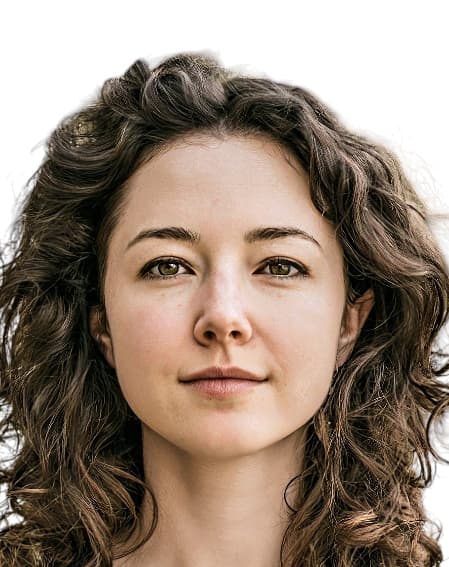
- Neutral expressionHold a neutral expression with the mouth closed and teeth not visible. Smiling, frowning, and squinting are rejected by the Hayya validator.
- Eyes open and forwardBoth eyes must be fully open and looking straight at the camera. Red-eye is not accepted.
- Head straightFace the camera squarely with the head level. Tilting, turning, or looking off-axis triggers rejection.
- Shoulders squareKeep the shoulders level and facing forward so the upper body is symmetrical in the frame.
Eyewear & lenses
- EyeglassesGlasses are not permitted. Only applicants with a documented medical need may wear them, and supporting documentation must accompany the application.
- Tinted and sunglassesSunglasses, tinted lenses, and coloured lenses are prohibited without exception.
Hair & face
- Hair off the faceHair must not cover the eyes, eyebrows, or the outline of the face. Bangs that fall across the forehead are not accepted.
- EarsEars should be visible where possible, particularly when hair is worn long.
Headwear
- Religious head coveringsReligious headwear is permitted provided the full face is visible from the chin to the forehead and hairline with no shadows cast on the features.
- Non-religious hatsHats, caps, and other non-religious headwear are not allowed.
Clothing
- Avoid white garmentsDo not wear white shirts, blouses, or thobes. The Hayya validator struggles to separate white clothing from the white background, which causes the submission to be rejected.
- Everyday attireWear normal street clothing in a colour that contrasts with the white background. Uniforms are not accepted unless required by occupation.
Jewelry & cosmetics
- Jewelry and piercingsJewelry is acceptable provided it does not obscure facial features or produce glare.
- MakeupLight, natural makeup is acceptable. Heavy cosmetics that alter the apparent shape of the features are not.
Dimensions, resolution & background.
Head position & camera distance.
- Head height, measured from the bottom of the chin to the top of the head, must be between 32 mm and 36 mm (roughly 67–74% of the photo height).
- Eyes must sit between 23 mm and 28 mm from the bottom of the photo.
- The head must be centered horizontally in the frame with a small symmetrical margin on each side.
- Both shoulders must be square to the camera and visible. Three-quarter angles or rotated torsos are not accepted.
- The full face from chin to crown must be inside the frame with proper top margin.
How recent the photo must be.
Your visa photo must have been taken within the last six months. A new photo is required sooner whenever your appearance has changed in a way that makes the old photo no longer recognizable.
You need a new photo if you’ve had…
- Facial surgery or a major change to facial structure
- A significant gain or loss of weight that visibly changes your face
- Large facial tattoos or piercings added or removed
- A gender transition that has changed your appearance
You do not need a new photo just because of…
- A new hair color
- Growing or removing a beard or moustache
- Ordinary, minor aging
- A new hairstyle that still leaves the face fully visible
Photos for infants and young children.
Qatar relaxes a small number of rules for infants. Every other subject standard above still applies.
Infants (under 12 months)
The Ministry of Interior recognises that newborns and young infants cannot pose like adults and applies relaxed expression and pose tolerances.
- ExpressionA neutral expression is not strictly enforced. The mouth may be slightly open.
- EyesEyes do not need to be fully open, though both should be visible where possible.
- Head positionMinor head tilt and turn are tolerated as long as the face remains broadly forward-facing.
- No supporting people or propsHands, pacifiers, toys, and supporting parents must not appear anywhere in the frame.
- Capture setupLaying the infant on a plain white sheet, including over a car seat, is an accepted way to produce a clean, isolated shot.
Other things to know.
A few Qatar-specific quirks are worth knowing before you submit.
Hayya validator is strict
The Hayya portal runs an automated validator that rejects submissions aggressively. Older guidance mentioning light grey backgrounds no longer passes in practice, and edited or heavily filtered photos are flagged.
Work visa applicants from select nationalities
Work visa applicants from designated nationalities must have their photo captured on-site at a Qatar Visa Center. User-supplied photos are not accepted through that channel, so a self-prepared photo cannot be used.
Two accepted print sizes
The Qatar national standard is 38 by 48 mm and is used for MOI submissions. Embassies and consulates also accept the ICAO 35 by 45 mm size when a paper print is requested for a consular file.
Recency
The photo must have been taken within the last six months and must reflect the applicant’s current appearance. Older photos are rejected even when the subject looks similar.
Take your Qatar visa photo at home in three steps.
Plus a human layer. Your files are ready the moment the automatic checks pass — and a real passport-photo specialist also reviews each one, usually within minutes, touching up small issues or flagging anything that needs your attention.
Free to check, and reviewed by a real expert. You only pay when you keep it.
Print-quality requirements for in-person submissions.
When you submit a printed photo at a visa application centre, the paper, finish, and ink all matter. The points below cover the standards most consular missions accept.
- Print on photographic-quality paper at 300 DPI minimum.
- Use a matte or semi-gloss finish; high-gloss can produce reflections that confuse biometric scanners.
- Do not retouch, crop, or alter the photo after printing.
- Bring at least two identical prints when the submission channel calls for paper photos.