

Nepal visa photos and the Department of Immigration
Nepal’s visa photo standard is set by the Department of Immigration under the Ministry of Home Affairs. The same image is uploaded to the Nepaliport e-visa system at nepaliport.immigration.gov.np, which now handles tourist, business, student, transit, and non-tourist applications under a single biometric upload.
There is no VFS, BLS, or other visa application centre in the chain. Applicants either submit through the Nepaliport portal, walk in or mail in to a Nepalese embassy, or capture an image at a Visa on Arrival kiosk at Tribhuvan International Airport. Because the on-arrival kiosks at TIA frequently go offline, the Department of Immigration continues to advise carrying a printed photograph as backup.
The Department of Immigration enforces the basic biometric standard strictly. A photo that is not a frontal, neutral portrait on a plain light background, or one that obscures the face, will see the application returned for resubmission and the trip delayed.
What the Department of Immigration expects in a Nepal visa photo
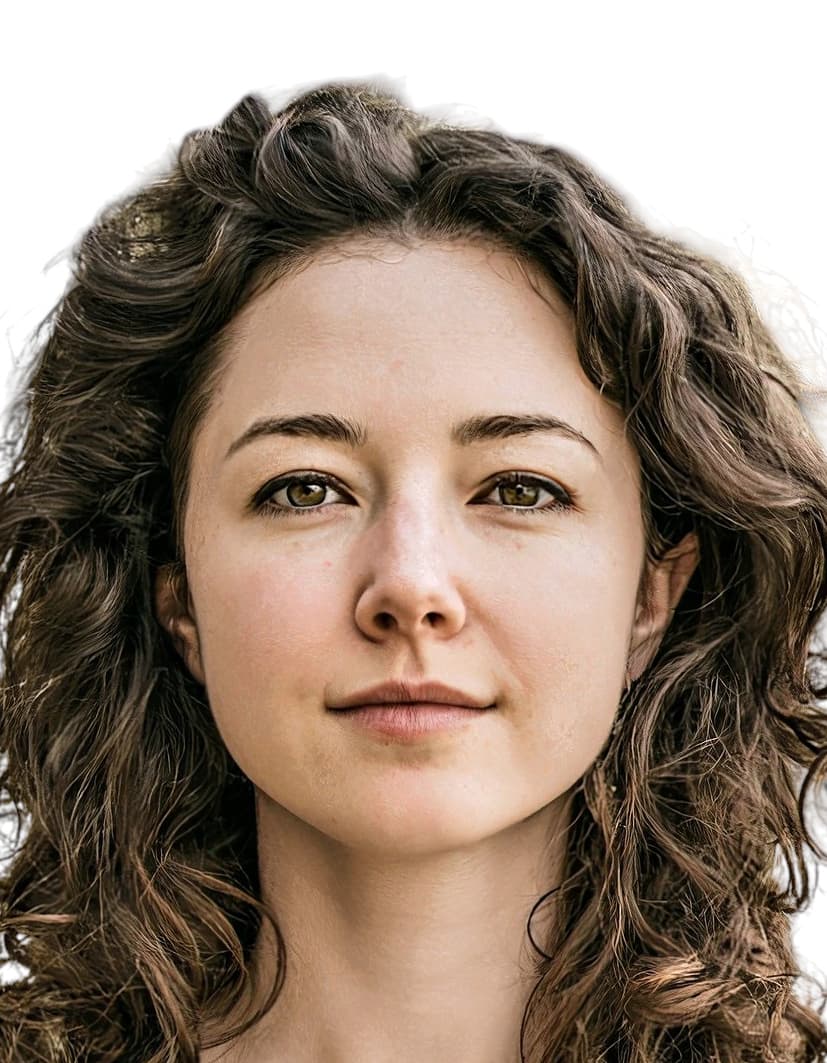
The Department of Immigration (DOI) wants a recent, frontal portrait with the full face visible from chin to crown. The rules below cover what the subject must look like in the final photo.
Expression & pose
- Neutral expressionFace the camera directly with a neutral expression and a closed mouth. Smiling, frowning, or other exaggerated expressions are not accepted.
- Head positionThe head must be level and squared to the camera, with no tilt or rotation. Both edges of the face must be visible in the frame.
- Eyes open and visibleEyes must be open, looking straight at the camera, and clearly visible. Hair must not fall across the eyes.
- Photo recencyThe photo must have been taken within the last six months and reflect the applicant’s current appearance.
Eyewear & lenses
- Prescription glassesGlasses are permitted only if the lenses are clear and free of glare, with the eyes fully visible behind them. Going without glasses is preferred.
- Tinted lenses & sunglassesTinted lenses, sunglasses, and any coloured or reflective lenses are not accepted.
Hair & face visibility
- Face fully visibleThe full face must be visible from chin to forehead. Hair must not cover the eyes, eyebrows, or the outline of the face.
- Hair around the faceHair should be arranged so that both edges of the face remain visible. Loose strands across the features are not accepted.
Headwear
- Religious head coveringsReligious headwear is permitted provided the full face from chin to forehead is visible and both edges of the face are not obscured. No shadows from the covering may fall across the features.
- Non-religious hatsCaps, hats, and other non-religious headwear are not accepted.
Clothing
- Everyday attireWear normal everyday clothing. Uniforms and camouflage patterns are not accepted.
- Colour against backgroundAvoid white or very light tops that blend into the plain light background required by the DOI.
Dimensions, resolution & background.
Head position & camera distance.
- Head height, measured from the bottom of the chin to the top of the head, must be between 31 mm and 34 mm (roughly 69–76% of the photo height).
- Eyes must sit between 22 mm and 26 mm from the bottom of the photo.
- The head must be centered horizontally in the frame with a small symmetrical margin on each side.
- Both shoulders must be square to the camera and visible. Three-quarter angles or rotated torsos are not accepted.
- The full face from chin to crown must be inside the frame with proper top margin.
Nepal accepts more than one size — we generate them all.
Nepal publishes more than one acceptable format depending on where you submit your application — domestic passport offices, the official online portal, and regional consulates abroad can each call for a different print or pixel size. We render every variant below from the same source photo, so the head sits at the same physical position across files, and each one arrives in your order email with a clear filename indicating which submission channel it's for.
Nepal Visa 35×45 mm
Primary · Print + DigitalNepal's official format — the same file works for both printed in-person submissions and the online portal upload.
Nepal Visa 2×2 in
Print + DigitalUS-style 2×2 in size used by US-based consulates and visa agencies.
Nepal Visa 1.5×1.5 in — online
Print + DigitalPixel-exact format required by the official online portal upload.
How recent the photo must be.
Your visa photo must have been taken within the last six months. A new photo is required sooner whenever your appearance has changed in a way that makes the old photo no longer recognizable.
You need a new photo if you’ve had…
- Facial surgery or a major change to facial structure
- A significant gain or loss of weight that visibly changes your face
- Large facial tattoos or piercings added or removed
- A gender transition that has changed your appearance
You do not need a new photo just because of…
- A new hair color
- Growing or removing a beard or moustache
- Ordinary, minor aging
- A new hairstyle that still leaves the face fully visible
Other things to know.
A few features of Nepal’s visa process are worth flagging before you submit.
Print size depends on embassy
Nepal does not enforce a single global print size. Embassies in the UK, Europe, and Asia-Pacific accept 35×45 mm prints, while Nepalese embassies and consulates in the Americas require 2×2 inch (51×51 mm) prints. Check which mission is processing your application before printing.
Visa on Arrival backup print
Tribhuvan International Airport and land borders use on-site kiosks to capture photos for Visa on Arrival, but the kiosks experience frequent outages. The DOI advises every VoA applicant to carry a 35×45 mm physical print as a backup.
No VFS or third-party VAC
Nepal does not use VFS Global, BLS, or any other visa application centre operator. Applications go directly through the Nepaliport e-visa portal, the airport and land-border kiosks, or a Nepalese embassy or consulate.
eTA has replaced visa stickers
The DOI now issues an electronic Travel Authorisation in place of traditional visa stickers. The same photo specification applies whether you are applying for a tourist, business, student, transit, or non-tourist category visa.
Take your Nepal visa photo at home in three steps.
Plus a human layer. Your files are ready the moment the automatic checks pass — and a real passport-photo specialist also reviews each one, usually within minutes, touching up small issues or flagging anything that needs your attention.
Free to check, and reviewed by a real expert. You only pay when you keep it.
Print-quality requirements for in-person submissions.
When you submit a printed photo at a visa application centre, the paper, finish, and ink all matter. The points below cover the standards most consular missions accept.
- Print on photographic-quality paper at 300 DPI minimum.
- Use a matte or semi-gloss finish; high-gloss can produce reflections that confuse biometric scanners.
- Do not retouch, crop, or alter the photo after printing.
- Bring at least two identical prints when the submission channel calls for paper photos.