

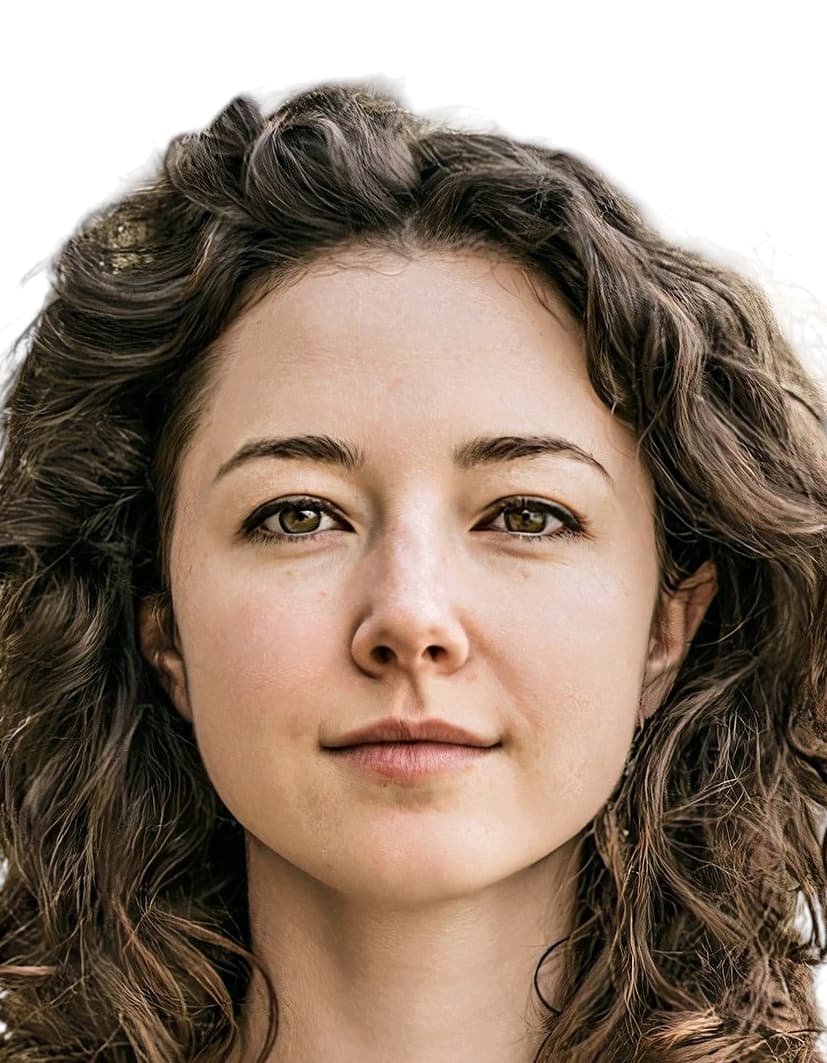
Norway visa photos follow the UDI (Norwegian Directorate of Immigration) standard
Norway’s visa photograph is governed by the Utlendingsdirektoratet (UDI), the Norwegian Directorate of Immigration. The same 35×45 mm specification covers Schengen short-stay visas, national long-stay visas, residence permits, and travel documents, and it mirrors the rules UDI sets for Norwegian passports and national ID cards. UDI’s wording is in places stricter than general Schengen guidance, most notably an outright prohibition on glasses and an explicit requirement that both ears, both eyes, and both eyebrows are fully visible.
There is no e-visa portal for the photograph itself. Applicants submit a printed photo with their application package at a VFS Global visa application centre or at a Norwegian embassy or consulate, and a live biometric capture (face, fingerprints, and since January 2022 a signature) is taken on the same visit. The on-site capture is what is printed onto the visa sticker or residence card, but a compliant physical print is still required as part of the documentary checklist. UDI MyPage handles supporting documents only and never accepts the visa photo.
VFS counter staff and consular officers reject prints that fall outside the published rules, and a non-compliant photo can delay or void the application before biometrics are even taken. Photos should be recent, with three months treated as the working maximum and one month preferred at VFS centres that publish their own cutoff.
What UDI requires in a Norway visa photo
The Norwegian Directorate of Immigration (UDI) applies the same photographic standard to Schengen visas, national long-stay visas, residence permits, and travel documents. The rules below govern how the subject must appear.
Expression & pose
- Neutral expressionThe face must be neutral with the mouth closed and no teeth showing. VFS Global and Norwegian foreign-service missions enforce a non-smiling rule at the counter.
- Frontal alignmentUDI requires the face to be photographed straight on, with the head level and the eyes looking directly at the camera.
- Eyes open and visibleBoth eyes must be fully open and clearly visible. Hair, frames, or shadows falling across the eyes will cause rejection.
- Ears and eyebrows visibleUDI states explicitly that both ears and both eyebrows must be entirely visible in the frame.
Eyewear & lenses
- Glasses prohibitedUDI prohibits eyeglasses outright in visa, residence permit, and travel document photos. This rule is stricter than general Schengen guidance and applies even where a medical exemption might be granted elsewhere.
- Tinted or coloured lensesColoured contact lenses that change the natural appearance of the iris are not permitted.
Hair & facial hair
- Hair off the faceHair must not cover the eyes, eyebrows, or ears. Long fringes or side-swept styles that touch the eyebrows should be pinned back.
- Bangs across the foreheadForehead-covering bangs that obscure the hairline or eyebrows are not accepted by UDI.
Headwear
- Hats and capsUDI states that headgear is not to be worn. Hats, caps, hoods, and decorative headbands must be removed before the photo is taken.
- Religious or medical head coveringsHead coverings worn for documented religious or medical reasons are permitted, provided the full face from the hairline to the chin and from ear to ear is unobstructed and the covering does not cast shadows or alter the apparent shape of the face.
Jewelry & accessories
- Earrings and piercingsSmall, non-reflective jewelry is acceptable. Large or shiny earrings that obscure the ears or produce glare should be removed.
- Face-obscuring accessoriesScarves, bandanas, and any accessory that covers part of the face or jawline must be removed.
Cosmetics
- Natural makeup onlyCosmetics that alter the subject’s natural appearance, including heavy contouring, false lashes, and theatrical makeup, are not permitted. The photo must depict the applicant as they currently look day to day.
Clothing
- Everyday clothingOrdinary street clothes that contrast with the light background are required. Uniforms and clothing resembling official uniforms are not accepted.
- Outerwear removedCoats, jackets, and scarves must be removed so that the neckline and shoulders are visible.
Dimensions, resolution & background.
Head position & camera distance.
- Head height, measured from the bottom of the chin to the top of the head, must be between 33 mm and 36 mm (roughly 73–81% of the photo height).
- Eyes must sit between 21 mm and 25 mm from the bottom of the photo.
- The head must be centered horizontally in the frame with a small symmetrical margin on each side.
- Both shoulders must be square to the camera and visible. Three-quarter angles or rotated torsos are not accepted.
- The full face from chin to crown must be inside the frame with proper top margin.
How recent the photo must be.
Your visa photo must have been taken within the last one month. A new photo is required sooner whenever your appearance has changed in a way that makes the old photo no longer recognizable.
You need a new photo if you’ve had…
- Facial surgery or a major change to facial structure
- A significant gain or loss of weight that visibly changes your face
- Large facial tattoos or piercings added or removed
- A gender transition that has changed your appearance
You do not need a new photo just because of…
- A new hair color
- Growing or removing a beard or moustache
- Ordinary, minor aging
- A new hairstyle that still leaves the face fully visible
Photos for infants and young children.
UDI states that the photographic standard applies to everyone, including children, but operational practice relaxes a few rules for the youngest applicants.
Infants (under 12 months)
For babies under one year old, UDI and VFS Global accept some flexibility around expression and gaze, but the subject must still be alone in the frame.
- ExpressionThe infant’s eyes do not need to be fully open and the mouth may be slightly parted.
- Subject isolationNo hands, arms, toys, blankets, pacifiers, or other people may appear anywhere in the frame, including supporting the child’s head.
- Head positionThe head should remain generally frontal, with minor tilt tolerated given the child’s age.
Other things to know.
A few Norway-specific procedural quirks are worth flagging before submitting.
Two-photo paradox
Applicants must bring a compliant printed photo to the VFS Global centre or embassy appointment, and they also undergo a live biometric capture on site. The on-site capture is what is printed onto the visa sticker or residence card; the submitted print stays in the documentary file.
VFS Global intake
VFS Global is the exclusive visa application centre operator for Norway worldwide. There is no digital upload channel for the visa photograph itself; the UDI Application Portal only accepts supporting-document PDFs and JPEGs.
Mandatory in-person biometrics
Since 18 March 2021, biometric capture is mandatory for residence permit applications, and since 24 January 2022 a signature is collected alongside the photo and fingerprints. Children under 12 are exempt from fingerprinting but still have their facial image captured.
Matte paper preferred
UDI and VFS prefer prints on matte or semi-matte photographic paper. High-gloss prints can be rejected because of scanner glare.
Take your Norway visa photo at home in three steps.
Plus a human layer. Your files are ready the moment the automatic checks pass — and a real passport-photo specialist also reviews each one, usually within minutes, touching up small issues or flagging anything that needs your attention.
Free to check, and reviewed by a real expert. You only pay when you keep it.
Print-quality requirements for in-person submissions.
When you submit a printed photo at a visa application centre, the paper, finish, and ink all matter. The points below cover the standards most consular missions accept.
- Print on photographic-quality paper at 300 DPI minimum.
- Use a matte or semi-gloss finish; high-gloss can produce reflections that confuse biometric scanners.
- Do not retouch, crop, or alter the photo after printing.
- Bring at least two identical prints when the submission channel calls for paper photos.