

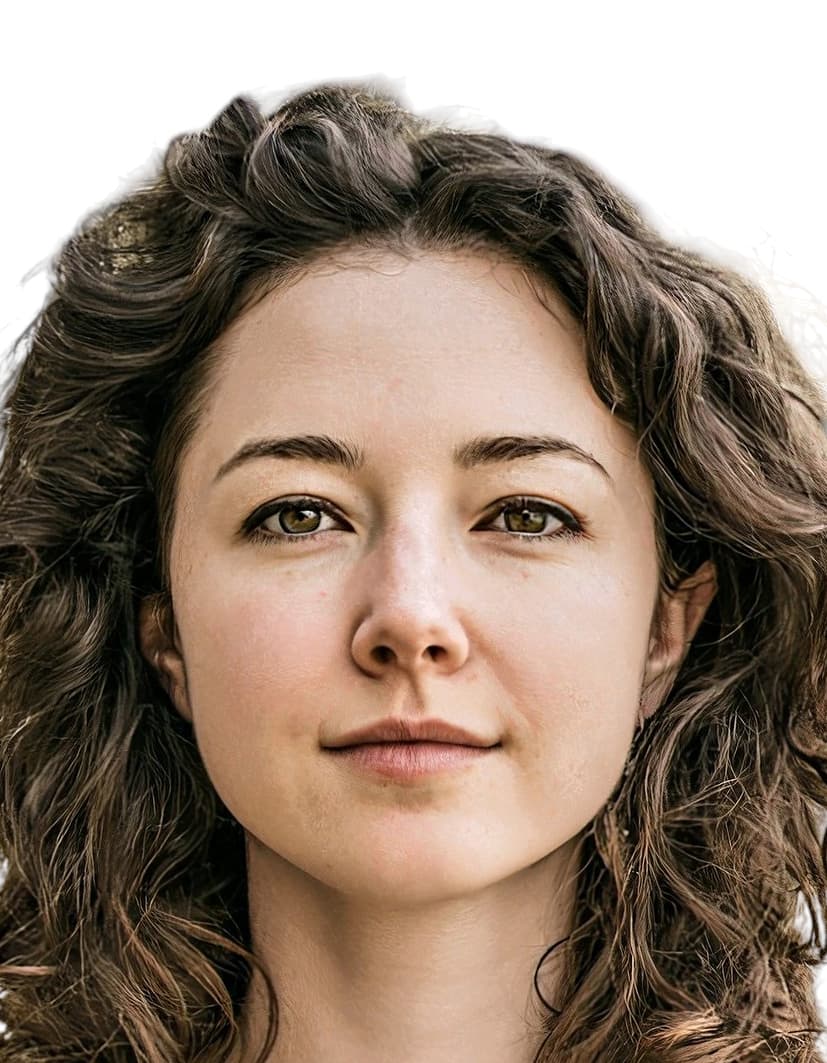
Malta visa photo rules from Identità and the VFS Global VAC
Malta’s visa photo standard is set by Identità’s Central Visa Unit, the office that handles Schengen Type C short-stay visas, Type D national long-stay visas, and Malta’s residence permits. The same ICAO 9303 specification covers every visa category, so a single compliant photo works whether the applicant is filing for tourism, study, work, family reunification, or medical treatment.
Type C and Type D applications are submitted in person at a VFS Global Visa Application Centre or at a Maltese embassy where no VAC exists. Two identical printed copies are required at the counter, and first-time Schengen applicants (or anyone whose VIS biometrics are older than 59 months) sit for live biometric capture on site. Malta does not operate a tourist e-visa portal; digital uploads are reserved for the Nomad Residence Permit and Single Permit applications through the Residency Malta and Identità Expatriates portals.
VFS Global enforces the rules strictly at intake. Photos that do not match the published Identità specification, or that are reused from a previous visa older than six months, are refused at the counter and the applicant is sent away to retake before the file can be opened. Treating the photo as a hard gate, not a formality, is the difference between a smooth appointment and a rebooked one.
What Identità and VFS Global require in a Malta visa photo
The Central Visa Unit and VFS Global apply the ICAO 9303 standard at the counter. The rules below describe how the applicant must appear in the final image.
Expression & pose
- Neutral expressionThe applicant must hold a neutral expression with the mouth closed. Smiling, frowning, and raised eyebrows are grounds for rejection.
- Eyes open and forwardBoth eyes must be fully open and looking directly at the lens. Hair must not fall across the eyes.
- Square to cameraThe face and shoulders must face the camera directly. The head must not tilt up, down, or to either side, and the line between the eyes must run parallel to the top edge of the photo.
Eyewear & lenses
- EyeglassesVFS Global Malta requires applicants to remove eyeglasses before the photo is taken. Tinted lenses are not accepted under any circumstances unless backed by a medical certificate.
- Hearing aidsHearing aids and similar daily-worn medical devices are permitted and need not be removed.
Hair & facial features
- Hairline and foreheadBangs or fringe that obscure the forehead, eyebrows, or eyes are not accepted. Hair must be arranged so the full face contour is visible.
- Ears visibleBoth edges of the face must be clearly visible, with ears unobstructed by hair where possible.
Headwear
- Religious or medical headwearHeadwear is prohibited except when worn daily for religious or medical reasons. When permitted, it must not cast shadows on the face and must leave the chin, forehead, and both edges of the face fully visible. A signed religious-use statement may be requested.
Cosmetics & jewelry
- MakeupSubtle, everyday makeup is acceptable. Heavy cosmetics that alter facial features or cause glare on the skin are not.
- Jewelry and piercingsDiscreet jewelry is allowed provided it does not obscure facial features or reflect light into the lens.
Clothing
- Everyday clothingNormal civilian clothing is required. Uniforms and camouflage patterns are not accepted.
- Contrast with backgroundBecause the Malta visa photo uses a plain white background, white or very pale tops should be avoided so the shoulders and neckline read clearly.
Likeness & condition
- Recent photoThe photo must have been taken within the last six months and must reflect the applicant’s current appearance. A noticeable change in appearance since the photo was taken requires a new image.
- No reused photosVFS staff cross-check submissions against photos on prior Malta and Schengen visas. An image that has already been used on a previous visa will be refused on sight.
- Print conditionPrints must be free of creases, folds, smudges, ink marks, staple holes, and glue residue. Damaged prints are rejected at intake.
Dimensions, resolution & background.
Head position & camera distance.
- Head height, measured from the bottom of the chin to the top of the head, must be between 33 mm and 36 mm (roughly 73–81% of the photo height).
- Eyes must sit between 21 mm and 25 mm from the bottom of the photo.
- The head must be centered horizontally in the frame with a small symmetrical margin on each side.
- Both shoulders must be square to the camera and visible. Three-quarter angles or rotated torsos are not accepted.
- The full face from chin to crown must be inside the frame with proper top margin.
How recent the photo must be.
Your visa photo must have been taken within the last six months. A new photo is required sooner whenever your appearance has changed in a way that makes the old photo no longer recognizable.
You need a new photo if you’ve had…
- Facial surgery or a major change to facial structure
- A significant gain or loss of weight that visibly changes your face
- Large facial tattoos or piercings added or removed
- A gender transition that has changed your appearance
You do not need a new photo just because of…
- A new hair color
- Growing or removing a beard or moustache
- Ordinary, minor aging
- A new hairstyle that still leaves the face fully visible
Photos for infants and young children.
Identità relaxes parts of the standard for the youngest applicants. Older children follow the full adult rule set from age six onward.
Infants (under 12 months)
The Central Visa Unit accepts a softer standard for infants, but the child must still appear alone in the frame.
- ExpressionA neutral expression is not required, and the eyes need not be fully open.
- No supporting people or propsHands, arms, toys, pacifiers, and other people must not appear anywhere in the frame.
- Lying-down capturePhotographing the infant from directly above against a plain white sheet is acceptable, provided the face remains square to the camera.
Other things to know.
A few Malta-specific quirks catch applicants out at the VFS counter.
Two identical prints
VFS Global Malta requires two identical printed copies for every Type C and Type D application, even though some older guidance mentions only one. Bring both to the appointment.
No tourist e-visa
Malta does not operate a tourist e-visa portal. Digital photo uploads apply only to the Nomad Residence Permit and Single Permit residence routes through the Residency Malta and Identità Expatriates portals. Short-stay and long-stay visa applicants submit physical prints at a VAC or embassy.
Live VIS capture on site
First-time Schengen applicants, and any applicant whose VIS biometrics are older than 59 months, must sit for a live photo and ten-fingerprint capture at the VAC. The submitted print is still required at intake.
White background strictly enforced
Although wider Schengen guidance permits light grey, VFS Global Malta rejects anything other than a plain white background at the counter.
Take your Malta visa photo at home in three steps.
Plus a human layer. Your files are ready the moment the automatic checks pass — and a real passport-photo specialist also reviews each one, usually within minutes, touching up small issues or flagging anything that needs your attention.
Free to check, and reviewed by a real expert. You only pay when you keep it.
Print-quality requirements for in-person submissions.
When you submit a printed photo at a visa application centre, the paper, finish, and ink all matter. The points below cover the standards most consular missions accept.
- Print on photographic-quality paper at 300 DPI minimum.
- Use a matte or semi-gloss finish; high-gloss can produce reflections that confuse biometric scanners.
- Do not retouch, crop, or alter the photo after printing.
- Bring at least two identical prints when the submission channel calls for paper photos.