
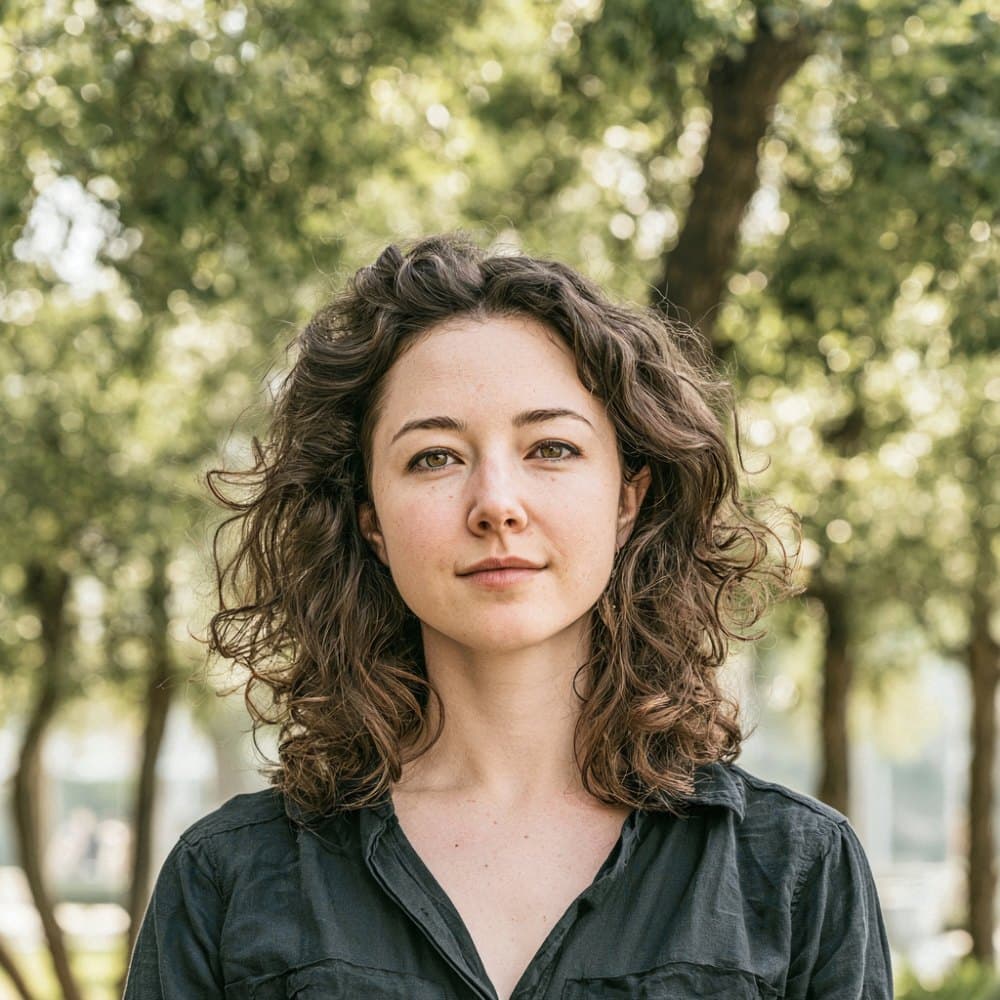
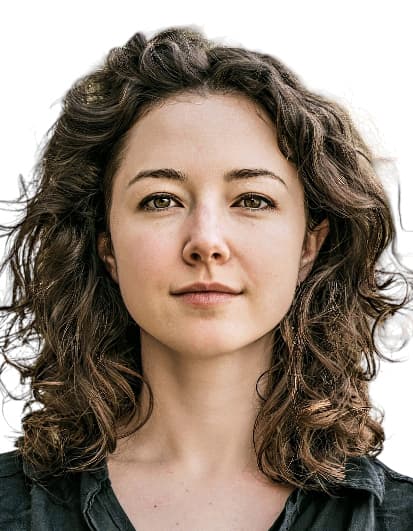
Mali visa photos and the Ministry of Foreign Affairs MDC portal
Mali’s visa photo standard is set by the Ministry of Foreign Affairs and International Cooperation (Ministère des Affaires Étrangères et de la Coopération Internationale), which administers consular services through Malian embassies abroad and through the central digital portal at diplomatiemdc.gouv.ml. The portal accepts a recent passport-style photo on a plain white background, uploaded as JPG or PDF alongside the rest of the application file.
Since March 11, 2025, every visa application worldwide must originate on the MDC portal before any printed materials reach an embassy counter. Mali does not use VFS Global, BLS, or TLScontact for its own visas, so intake runs directly through the portal and the relevant mission. Print sizes follow local mission practice: 35×45 mm at embassies in Europe, India, and most other jurisdictions, and 51×51 mm at the embassies in Washington and Ottawa, with two identical prints typically requested at submission.
The same photo file is reused for the tourist, business, transit, student, medical, and official visa categories, so a single compliant image clears the entire MDC workflow. Photos that miss the standard, whether for an off-white background, a non-neutral expression, or an image older than six months, are returned by the consular officer and hold up the file until a replacement is supplied.
What the Ministry of Foreign Affairs expects in a Mali visa photo
Mali’s consular missions and the MDC portal apply a consistent set of subject rules. Match them and the application moves; miss them and the file gets sent back.
Expression & pose
- Neutral expressionHold a neutral face with the mouth closed. Smiling, frowning, and visible teeth are not accepted.
- Eyes open and forwardBoth eyes must be open, fully visible, and looking straight at the camera. Red-eye disqualifies the photo.
- Head squared to cameraFace the camera directly with the head level. An equal amount of each ear and cheek should be visible, with no tilt or turn.
Hair & ears
- Face fully visibleHair must not fall across the eyes or obscure the edges of the face. Forehead-covering bangs are not permitted.
- Ears showingBoth ears should be visible. Tuck long hair behind the ears so the outline of the face is unobstructed.
Eyewear & lenses
- EyeglassesGlasses are discouraged and best removed. If worn, lenses must be clear, free of glare, and frames must not cover any part of the eyes.
- Sunglasses and tintsTinted lenses, photochromic lenses, and sunglasses are prohibited in every case.
Headwear
- General ruleHats, caps, and other head coverings are not allowed.
- Religious or medical exceptionHead coverings worn daily for religious or medical reasons are accepted, provided the full face from the chin to the top of the forehead is visible and the covering casts no shadow on the face.
Clothing
- Everyday clothingWear normal street clothing. Uniforms, including military and security uniforms, are discouraged.
- Contrast with backgroundDarker tops are recommended so the shoulders read clearly against the plain white background.
Photo quality
- RecencyThe photograph must have been taken within the last six months and must reflect the applicant’s current appearance.
- Print conditionPrinted copies submitted at the embassy must be on photographic paper, free of creases, tears, ink marks, and staple holes through the face.
Dimensions, resolution & background.
Head position & camera distance.
- Head height, measured from the bottom of the chin to the top of the head, must be between 28 mm and 36 mm (roughly 62–80% of the photo height).
- Eyes must sit between 26 mm and 31 mm from the bottom of the photo.
- The head must be centered horizontally in the frame with a small symmetrical margin on each side.
- Both shoulders must be square to the camera and visible. Three-quarter angles or rotated torsos are not accepted.
- The full face from chin to crown must be inside the frame with proper top margin.
How recent the photo must be.
Your visa photo must have been taken within the last six months. A new photo is required sooner whenever your appearance has changed in a way that makes the old photo no longer recognizable.
You need a new photo if you’ve had…
- Facial surgery or a major change to facial structure
- A significant gain or loss of weight that visibly changes your face
- Large facial tattoos or piercings added or removed
- A gender transition that has changed your appearance
You do not need a new photo just because of…
- A new hair color
- Growing or removing a beard or moustache
- Ordinary, minor aging
- A new hairstyle that still leaves the face fully visible
Photos for infants and young children.
The Ministry relaxes a small number of subject rules for the youngest applicants. Everything else on this page still applies.
Infants (under 12 months)
Babies under one year are not expected to hold an adult pose, but the frame must contain the child alone.
- Eyes may be closedInfants under one year may be photographed with their eyes closed or partially open.
- Slight head movement toleratedSmall deviations in head angle are accepted, as long as the face is broadly oriented toward the camera.
- Child must appear aloneNo hands, arms, parents, siblings, toys, pacifiers, or other objects may be visible anywhere in the frame.
- Plain background still requiredThe background must remain plain and uniform behind the child, with no patterned blankets or cushions in view.
Other things to know.
A few details set Mali apart from neighbouring visa regimes and trip up first-time applicants.
Mandatory MDC portal entry
Since 11 March 2025, every Mali visa application worldwide must originate on the central MDC portal at diplomatiemdc.gouv.ml. The photo is uploaded there as a JPG or PDF before any embassy appointment, and paper-only filings are no longer accepted.
Two prints at the embassy
After the digital pre-application, most Malian missions still require two identical printed copies of the photo at the in-person or mail-in submission stage. Some posts attach the prints directly to the application form.
No VFS, no visa centre
Mali does not use VFS Global, BLS, TLScontact, or any other visa application centre. Intake is handled directly by Malian embassies and consulates, and applicants supply their own photo rather than having one captured on site.
Two print sizes by jurisdiction
The Embassies in Washington and Ottawa accept 51 by 51 mm (2 by 2 in) prints, while missions in France, India, and elsewhere outside North America use the 35 by 45 mm format. Match the size used by the post handling your file. Note that Mali has suspended visa issuance to U.S. citizens effective 1 January 2026.
Take your Mali visa photo at home in three steps.
Plus a human layer. Your files are ready the moment the automatic checks pass — and a real passport-photo specialist also reviews each one, usually within minutes, touching up small issues or flagging anything that needs your attention.
Free to check, and reviewed by a real expert. You only pay when you keep it.
Print-quality requirements for in-person submissions.
When you submit a printed photo at a visa application centre, the paper, finish, and ink all matter. The points below cover the standards most consular missions accept.
- Print on photographic-quality paper at 300 DPI minimum.
- Use a matte or semi-gloss finish; high-gloss can produce reflections that confuse biometric scanners.
- Do not retouch, crop, or alter the photo after printing.
- Bring at least two identical prints when the submission channel calls for paper photos.