
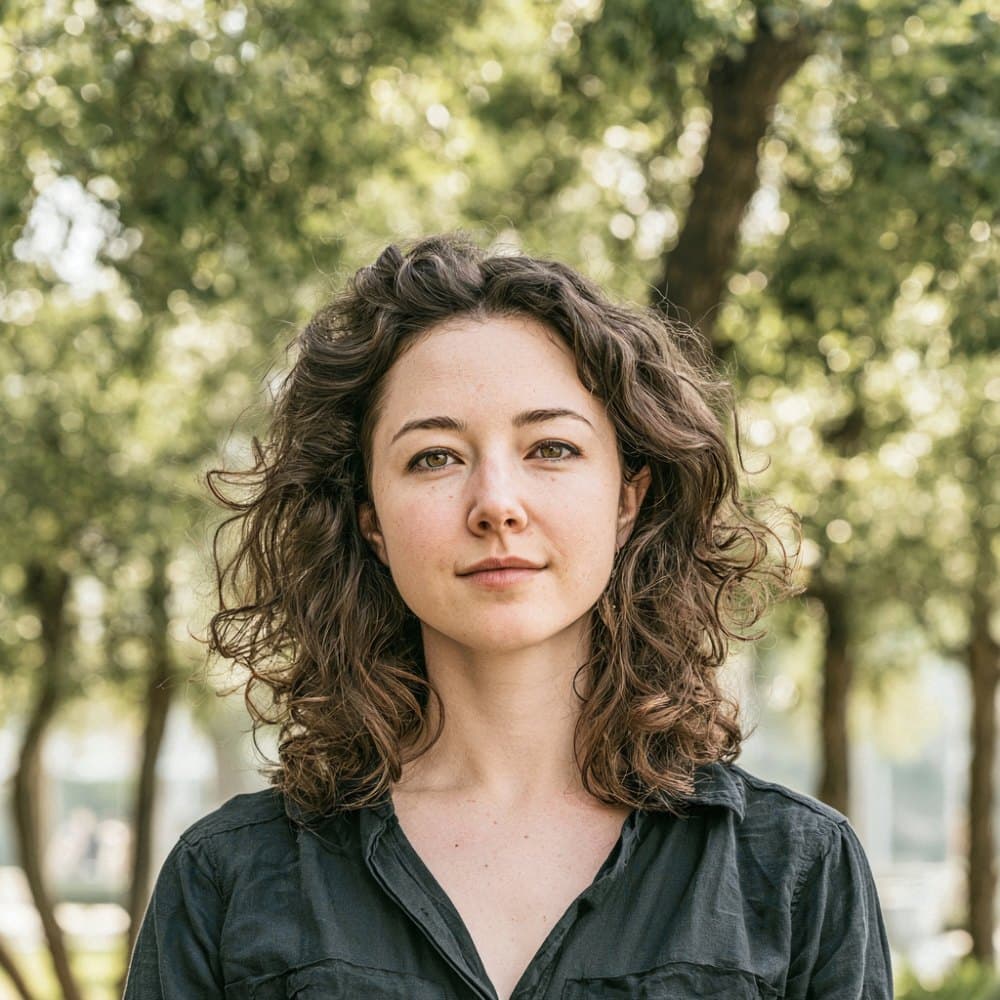
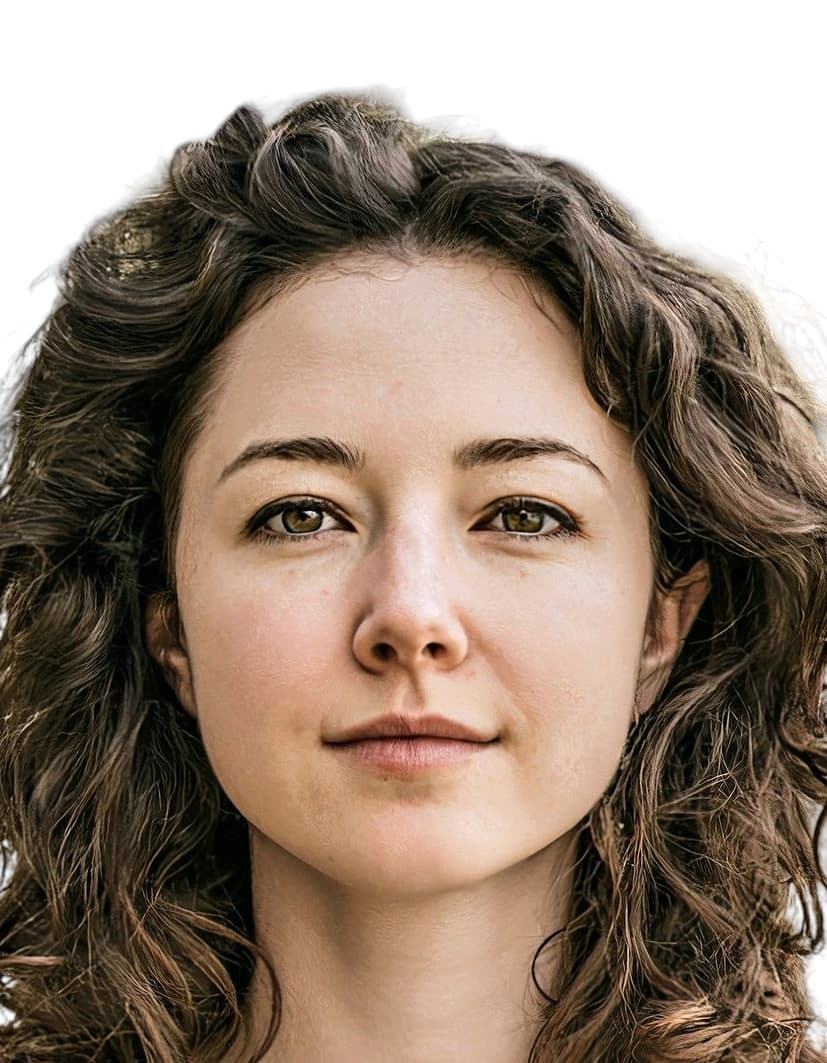
Madagascar visa photos and the Ministère des Affaires Étrangères standard
Madagascar visa photos are governed by the Ministère des Affaires Étrangères through its consular network, with long-stay and transformable visas additionally vetted by the Economic Development Board of Madagascar (EDBM). The 35×45 mm format applies to embassy applications across Europe, Asia, and Africa, including the Embassy of Madagascar in New Delhi and the consulate in Paris. North American missions, including the Washington D.C. embassy, require a 51×51 mm (2×2 in) print instead. Photos must be in color, taken within the last six months, and reflect the applicant’s current appearance.
Madagascar does not outsource intake to VFS Global, BLS, or any other visa application centre, and the official e-Visa portal does not accept a digital photo upload. Biometric facial capture for e-Visa and visa-on-arrival travellers happens at Police de l’Air et des Frontières control on arrival. Printed photos are required only for consular channels, typically two identical copies, glued or attached to the application form alongside the rest of the dossier.
Consular officers review each photo against the published facial pose, expression, and grooming rules before accepting the file. A photo that fails any of these checks results in the application being returned for correction, which delays issuance and, for time-sensitive travel, can force a fresh consular appointment.
Madagascar visa photo requirements
The Ministère des Affaires Étrangères and Malagasy embassies enforce a consistent set of subject rules across consular visa channels. Follow them to avoid rejection.
Expression & pose
- Neutral expressionHold a neutral face with the mouth closed. Smiling, frowning, laughing, and visible teeth are not accepted.
- Eyes open and forwardBoth eyes must be fully open and looking directly at the camera. Raised eyebrows and squinting are not permitted.
- Square to cameraThe head must face the camera straight on with no tilt or rotation. Equal amounts of each cheek and each ear must be visible.
Eyewear & lenses
- EyeglassesGlasses must be removed for the photo. Malagasy consulates do not accept eyewear in visa photos.
- Tinted or coloured lensesSunglasses and tinted lenses are not permitted. The eyes and irises must be clearly visible.
Hair & forehead
- Hair around the faceHair may not cover the eyes, eyebrows, or the outline of the face. Both ears must remain visible.
- Voluminous hairVoluminous hairstyles are permitted only when the entire head still fits in the frame without forcing the face to appear smaller than required.
Headwear
- General ruleHats, caps, and other headwear are not permitted in Madagascar visa photos.
- Religious or medical exceptionHead coverings worn daily for religious or medical reasons are allowed only if the full face from the tip of the chin to the top of the forehead remains visible, with both ears showing where possible.
Clothing & accessories
- Everyday clothingWear ordinary street clothing. Uniforms and camouflage patterns are not appropriate.
- Ears visibleBoth ears must be visible in the final photo. Avoid jewelry or hairstyles that obstruct them.
Photo quality
- RecencyThe photo must have been taken within the last six months and must reflect the applicant’s current appearance.
- No retouchingSpot removal, skin softening, and other retouching of the subject are not permitted. The photo must show the applicant as they actually look.
- No red-eye or facial shadowsRed-eye, heavy shadows across the face, and reflections on the skin will cause the photo to be refused.
Dimensions, resolution & background.
Head position & camera distance.
- Head height, measured from the bottom of the chin to the top of the head, must be between 31.5 mm and 36 mm (roughly 70–80% of the photo height).
- Eyes must sit between 20.8 mm and 25.3 mm from the bottom of the photo.
- The head must be centered horizontally in the frame with a small symmetrical margin on each side.
- Both shoulders must be square to the camera and visible. Three-quarter angles or rotated torsos are not accepted.
- The full face from chin to crown must be inside the frame with proper top margin.
Madagascar accepts more than one size — we generate them all.
Madagascar publishes more than one acceptable format depending on where you submit your application — domestic passport offices, the official online portal, and regional consulates abroad can each call for a different print or pixel size. We render every variant below from the same source photo, so the head sits at the same physical position across files, and each one arrives in your order email with a clear filename indicating which submission channel it's for.
Madagascar Visa 35×45 mm
Primary specMadagascar's recommended print format — accepted at most in-country submissions and the default we render first.
Madagascar Visa 2×2 in — from US consulate
Consular printPrint size accepted by US-based consular missions for applicants in the United States.
How recent the photo must be.
Your visa photo must have been taken within the last six months. A new photo is required sooner whenever your appearance has changed in a way that makes the old photo no longer recognizable.
You need a new photo if you’ve had…
- Facial surgery or a major change to facial structure
- A significant gain or loss of weight that visibly changes your face
- Large facial tattoos or piercings added or removed
- A gender transition that has changed your appearance
You do not need a new photo just because of…
- A new hair color
- Growing or removing a beard or moustache
- Ordinary, minor aging
- A new hairstyle that still leaves the face fully visible
Photos for infants and young children.
Madagascar applies a distinct capture method for the youngest applicants.
Infants (under 1 year)
Infants are photographed differently from older applicants because they cannot sit unsupported or hold a neutral pose.
- Lying down on whitePlace the infant on their back on a plain white sheet and photograph from directly above.
- No supporting handsNo hands, arms, toys, pacifiers, or other people may appear in the frame. The infant must be the only subject visible.
- Expression and gazeEyes do not need to be fully open and a neutral expression is not required, but the face must be clearly visible and unobstructed.
Other things to know.
A few Madagascar-specific quirks are worth knowing before you submit.
No e-Visa photo upload
The official e-Visa portal at evisamada.gov.mg does not accept a digital photo. Tourist, business, and transit applicants approved online have their biometric photo captured by the Police de l’Air et des Frontières at the border on arrival. Third-party agencies that request a digital upload are not the official channel.
Dual print size by region
Malagasy embassies follow the host country’s local passport-photo standard. European, Asian, and African consulates and the EDBM use 35 by 45 mm, while the embassies in Washington D.C. and serving Canada use 51 by 51 mm (2 by 2 in). Check which consulate will process your file before printing.
Two identical prints
Consular submissions, particularly long-stay and Visa Transformable en Long Séjour applications, require two identical printed copies of the photo.
No VAC outsourcing
Madagascar does not use VFS Global, BLS, TLS Contact, or CGI. Applications are filed directly with the embassy, consulate, EDBM, or the e-Visa portal.
Take your Madagascar visa photo at home in three steps.
Plus a human layer. Your files are ready the moment the automatic checks pass — and a real passport-photo specialist also reviews each one, usually within minutes, touching up small issues or flagging anything that needs your attention.
Free to check, and reviewed by a real expert. You only pay when you keep it.
Print-quality requirements for in-person submissions.
When you submit a printed photo at a visa application centre, the paper, finish, and ink all matter. The points below cover the standards most consular missions accept.
- Print on photographic-quality paper at 600 DPI minimum.
- Use a matte or semi-gloss finish; high-gloss can produce reflections that confuse biometric scanners.
- Do not retouch, crop, or alter the photo after printing.
- Bring at least two identical prints when the submission channel calls for paper photos.