

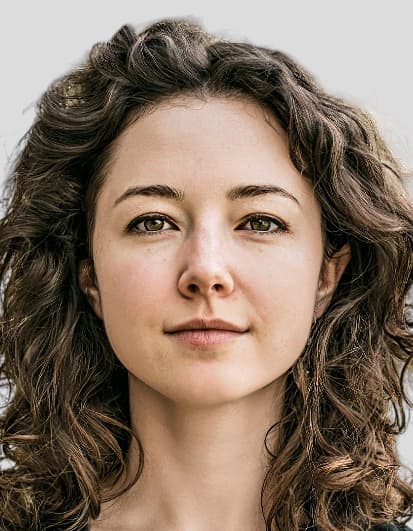
Monaco visa photos follow France-Visas rules, not a Monegasque standard
Monaco does not operate an independent visa service. Under the 1963 Franco-Monegasque Neighbourhood Agreement, France issues every visa for entry to the Principality, so the photo standard is the one published by the French Ministry for Europe and Foreign Affairs and applied across the France-Visas network. The same 35 by 45 mm biometric photo is used for French Schengen short-stay (Type C) and long-stay (Type D) visas bound for Monaco.
There is no applicant-supplied digital upload channel for the visa photo itself. Applications are submitted online through France-Visas, but the photo is presented as a physical print at a TLScontact, VFS Global, or Capago visa application centre, where a live biometric image and fingerprints are also captured for the EU Visa Information System. Short-stay files require one printed photo on the dossier; long-stay files require two identical prints.
France-Visas and its contracted centres enforce the photo norm strictly. Off-spec backgrounds, non-neutral expressions, visible eyewear, or prints that do not meet the 35 by 45 mm format are routinely refused at the counter, which means a new appointment and a delayed decision. Producing a compliant print before the appointment is the single most reliable way to keep the file moving.
Monaco visa photo requirements
Because France issues all visas for Monaco, the French biometric photo norms apply. The rules below govern what the applicant must look like in the final 35×45 mm print.
Expression & pose
- Neutral expressionThe applicant must hold a strictly neutral expression. Smiling, frowning, and any visible teeth are grounds for rejection under the French state biometric norm.
- Mouth closedLips must be closed and relaxed. The mouth may not be open or pursed.
- Eyes open and forwardBoth eyes must be fully open and looking directly into the camera. Red-eye is not accepted.
- Head straightThe head must face the camera squarely with no tilt or rotation. Both sides of the face must be equally visible.
Eyewear & lenses
- EyeglassesGlasses must be removed. French rules tolerate them only with a documented medical justification, but the visa application centres operated by TLScontact, VFS Global, and Capago routinely reject photos in which glasses appear.
- Tinted or coloured lensesSunglasses, tinted lenses, and coloured contact lenses that alter the natural eye colour are not permitted.
Hair & facial hair
- Hair off the faceHair must not cover the eyes, eyebrows, or the outline of the face. Tucking long hair behind the ears is recommended.
- Fringe and bangsBangs that fall over the eyebrows or eyes are prohibited. The forehead must remain visible.
Headwear
- Hats and capsHeadwear is prohibited. The only exception is a head covering worn for sincere religious or documented medical reasons.
- Religious head coveringsWhen worn for religious reasons, the covering must leave the full face visible from the bottom of the chin to the top of the forehead and from edge to edge, with no shadow cast across the features.
Jewelry & accessories
- Earrings and piercingsDiscreet jewelry is permitted provided it does not obscure any part of the face or produce glare.
- Reflective itemsItems that reflect light into the lens or distract from the face are not accepted.
Cosmetics
- Everyday makeupLight, natural makeup is acceptable.
- Appearance-altering makeupHeavy makeup, contouring, or cosmetics that materially change the applicant’s appearance from how they look day to day are not accepted.
Clothing
- Everyday clothingOrdinary street clothing is required. Uniforms and high-visibility workwear are not accepted.
- Contrast with backgroundGarments must contrast with the light grey or light blue backdrop. Avoid wearing light grey or pale blue tops, which blend into the background.
Dimensions, resolution & background.
Head position & camera distance.
- Head height, measured from the bottom of the chin to the top of the head, must be between 32 mm and 36 mm (roughly 71–80% of the photo height).
- Eyes must sit between 26 mm and 28 mm from the bottom of the photo.
- The head must be centered horizontally in the frame with a small symmetrical margin on each side.
- Both shoulders must be square to the camera and visible. Three-quarter angles or rotated torsos are not accepted.
- The full face from chin to crown must be inside the frame with proper top margin.
How recent the photo must be.
Your visa photo must have been taken within the last six months. A new photo is required sooner whenever your appearance has changed in a way that makes the old photo no longer recognizable.
You need a new photo if you’ve had…
- Facial surgery or a major change to facial structure
- A significant gain or loss of weight that visibly changes your face
- Large facial tattoos or piercings added or removed
- A gender transition that has changed your appearance
You do not need a new photo just because of…
- A new hair color
- Growing or removing a beard or moustache
- Ordinary, minor aging
- A new hairstyle that still leaves the face fully visible
Photos for infants and young children.
France applies relaxed subject rules for the youngest applicants. The print size and background remain identical to the adult spec.
Infants (under 12 months)
Babies under one year are not expected to hold an adult pose, but they must still appear alone in the frame against a plain light backdrop.
- Photographed aloneNo parent, guardian, hand, arm, prop, or pacifier may appear in the frame. The infant must be the only subject.
- Expression and gazeA neutral expression is not required. The mouth may be slightly open and the eyes may look away from the lens.
- Lying flat is allowedThe infant may be laid on a plain light grey or light blue blanket and photographed from directly above when they cannot yet hold their head up.
- Fingerprint exemptionChildren under 12 are exempt from the live fingerprint capture at the visa application centre, but the 35×45 mm physical print is still required for the dossier.
Other things to know.
A few quirks of the Monaco visa channel are worth flagging before the appointment.
France issues the visa
Monaco has no independent visa system. Under the 1963 Franco-Monegasque Neighbourhood Agreement, France issues every visa for entry to Monaco through the France-Visas portal and applies French photo norms.
No digital photo upload
There is no applicant-facing channel for uploading the visa photo as a digital file. The only digital capture is the live Visa Information System image taken at the appointment. Applicants bring a printed photo to the centre.
Print count by visa type
Short-stay Type C dossiers require one physical 35×45 mm print. Long-stay Type D dossiers (study, work, residency) require two identical prints. The live biometric capture at the centre is in addition to these prints, not a replacement.
In-person appointment required
Since 20 February 2026, every applicant aged 12 and over must attend a TLScontact, VFS Global, or Capago centre in person for live biometric capture, unless valid Visa Information System biometrics from the last 59 months are on file.
Take your Monaco visa photo at home in three steps.
Plus a human layer. Your files are ready the moment the automatic checks pass — and a real passport-photo specialist also reviews each one, usually within minutes, touching up small issues or flagging anything that needs your attention.
Free to check, and reviewed by a real expert. You only pay when you keep it.
Print-quality requirements for in-person submissions.
When you submit a printed photo at a visa application centre, the paper, finish, and ink all matter. The points below cover the standards most consular missions accept.
- Print on photographic-quality paper at 300 DPI minimum.
- Use a matte or semi-gloss finish; high-gloss can produce reflections that confuse biometric scanners.
- Do not retouch, crop, or alter the photo after printing.
- Bring at least two identical prints when the submission channel calls for paper photos.