
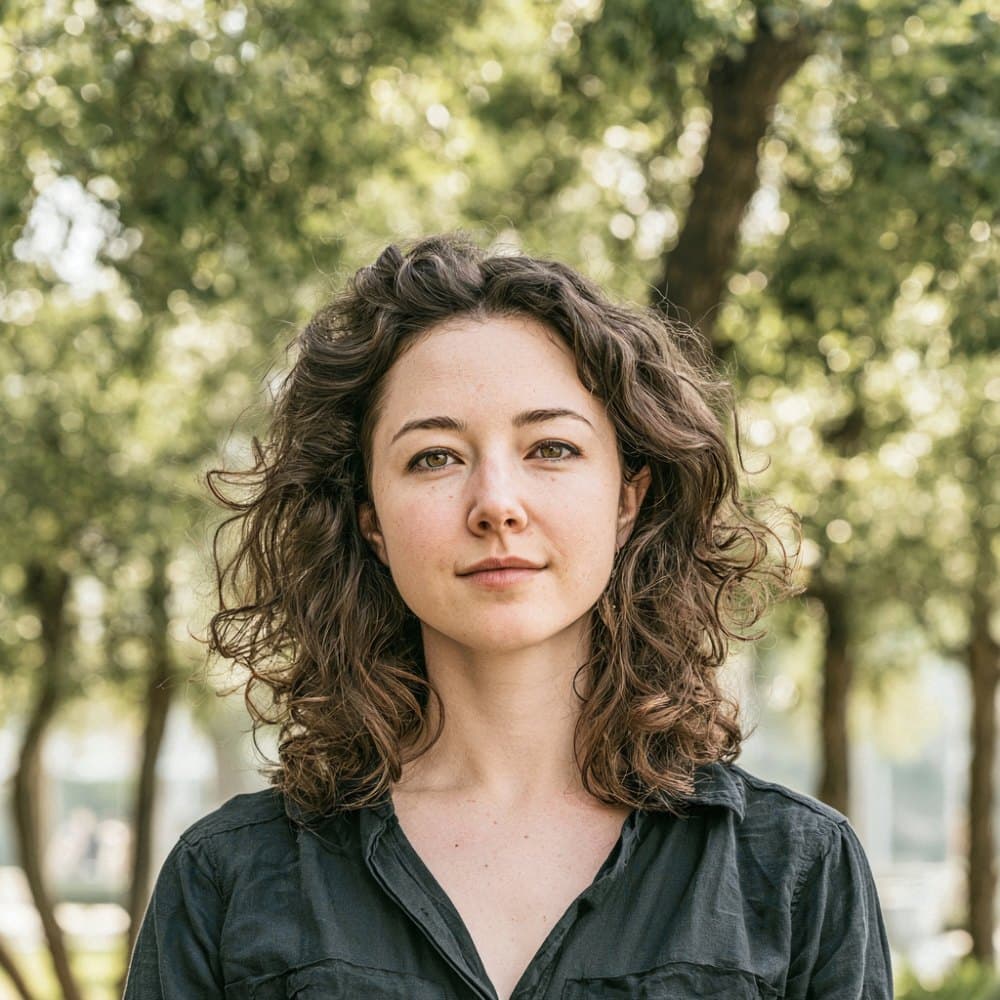
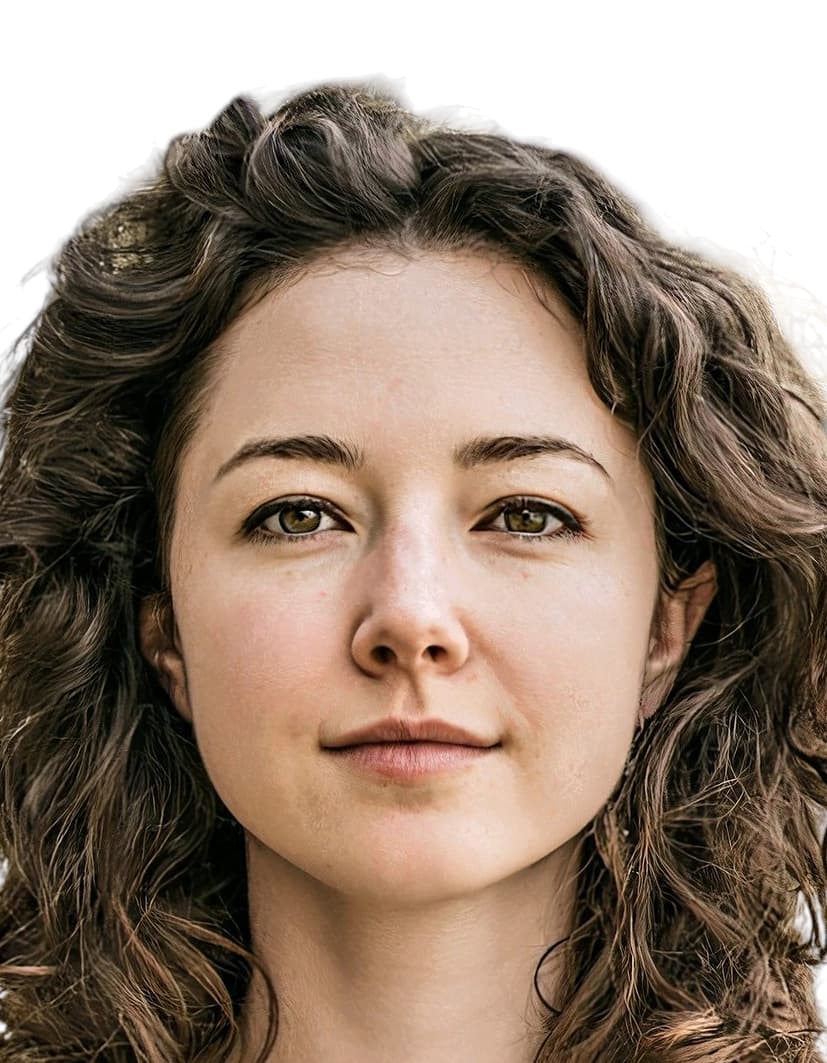
Latvia visa photos as set by the MFA and OCMA
Latvia’s visa photograph is governed by the Ministry of Foreign Affairs of the Republic of Latvia, with the technical biometric standard published by the Office of Citizenship and Migration Affairs (OCMA, the Pilsonības un migrācijas lietu pārvalde). The same 35 × 45 mm specification applies uniformly across Schengen short-stay C visas, airport transit A visas, and national long-stay D visas, including the OCMA remote-work D category.
Latvia operates no applicant-facing digital upload channel for visa photographs. Every application, whether lodged at a VFS Global visa application centre, at an embassy or consulate, or submitted by post where permitted, must include a physical printed photograph affixed to the form. A live biometric image is also captured on-site at the VAC or consulate for the Schengen VIS database, and that capture does not replace the printed photo.
Compliance is enforced strictly. Reusing a passport biographic-page photograph or a prior visa photograph is the most frequently documented rejection trigger at VFS Latvia centres, and any deviation from the OCMA facial, expression, or background rules will result in the application being returned, delayed, or refused at intake.
Latvia visa photo requirements set by OCMA
The Office of Citizenship and Migration Affairs (OCMA) sets the technical photo standard that the Ministry of Foreign Affairs and every VFS Global centre applies to Schengen C, Airport Transit A, and National D visas.
Expression & pose
- Neutral expressionOCMA requires a neutral facial expression. The mouth must be closed with no teeth visible and no smile.
- Eyes open and forwardEyes must be fully open, clearly visible, and looking directly at the camera. They cannot be covered by hair, frames, or tinted lenses.
- Head straight to cameraThe face must point straight at the camera with the head upright. Tilting, rotating, or turning the head to a profile angle is not accepted.
- Shoulders squareShoulders must sit level and squared to the camera. Leaning poses are rejected by VFS Global intake staff.
Eyewear & lenses
- Clear prescription glassesOCMA allows glasses only when the lenses are completely clear, the frames do not cover any part of the eyes, and there is no flash reflection on the lenses. Removing glasses for the photo is operationally safer and reduces glare-based rejections at VFS centres.
- Tinted and dark lensesSunglasses, transition lenses, and any tinted prescription lenses are not permitted. The pupils and irises must be plainly visible.
Hair & facial features
- Hair off the faceHair must not fall across the eyes, eyebrows, or the outline of the face. Bangs that cover the forehead are not accepted by OCMA.
- Facial hairBeards and moustaches are acceptable provided they reflect the applicant’s everyday appearance and do not obscure the mouth or jaw line.
Headwear
- General ruleHats, caps, hoods, and decorative head coverings are prohibited by OCMA.
- Religious head coveringsHead coverings worn daily for religious reasons are permitted. The full face from the bottom of the chin to the top of the forehead must remain visible and the covering must not cast shadows on the face.
Jewelry & cosmetics
- Jewelry and piercingsDiscreet jewelry and piercings are tolerated provided they do not obscure facial features, distort skin tone, or interfere with biometric matching.
- CosmeticsEveryday makeup is acceptable. Heavy cosmetics, contouring, or filters that alter the natural appearance of the face will trigger rejection.
Clothing
- Everyday attireRegular street clothing is required. Uniforms are not accepted unless worn daily for religious reasons.
- Contrast with backgroundDark or coloured clothing is recommended so the shoulders and neckline remain distinguishable from the required white background.
Photo quality
- Shadows on the faceOCMA rejects photos with shadows under the nose, chin, or eyes, or shadows cast by a hat brim or hair. The face must be evenly lit from both sides.
- Red-eyeRed-eye is not acceptable and the photo will be returned for replacement.
- Print conditionThe submitted print must be free of creases, ink marks, dirt, folds, and staple holes. VFS Global asks applicants to use a paper clip rather than a staple when attaching the photo to the application form.
- Reusing existing photosReusing the photograph from a current passport biographic page or a previous Schengen visa is the most frequently documented rejection cause at VFS Latvia centres. A fresh photograph is required for every application.
Dimensions, resolution & background.
Head position & camera distance.
- Head height, measured from the bottom of the chin to the top of the head, must be between 33 mm and 36 mm (roughly 73–81% of the photo height).
- Eyes must sit between 21 mm and 25 mm from the bottom of the photo.
- The head must be centered horizontally in the frame with a small symmetrical margin on each side.
- Both shoulders must be square to the camera and visible. Three-quarter angles or rotated torsos are not accepted.
- The full face from chin to crown must be inside the frame with proper top margin.
How recent the photo must be.
Your visa photo must have been taken within the last six months. A new photo is required sooner whenever your appearance has changed in a way that makes the old photo no longer recognizable.
You need a new photo if you’ve had…
- Facial surgery or a major change to facial structure
- A significant gain or loss of weight that visibly changes your face
- Large facial tattoos or piercings added or removed
- A gender transition that has changed your appearance
You do not need a new photo just because of…
- A new hair color
- Growing or removing a beard or moustache
- Ordinary, minor aging
- A new hairstyle that still leaves the face fully visible
Photos for infants and young children.
Latvia does not publish a formal age-relaxed photo standard, but Schengen operational practice at VFS Global centres tolerates specific deviations for infants.
Infants (under 12 months)
Strict neutral expression and open eyes are not required when capture is impractical. The infant must still be the sole subject in frame.
- Expression and eyesPartially closed eyes and a non-neutral expression are tolerated when an open-eyed forward-facing capture cannot reasonably be obtained.
- Head supportThe infant may be photographed lying on a plain white sheet or supported in a car seat draped with white fabric to maintain the required background.
- Sole subject in frameNo hands, arms, parents, toys, pacifiers, bottles, or blankets may appear in the photograph. Only the child’s face and shoulders are visible.
Other things to know.
A few quirks of the Latvian visa channel sit outside the standard requirements groups and are worth flagging before submission.
Physical print only
Latvia operates no e-visa portal and no applicant-facing digital photo upload channel. The photograph is always supplied as a physical print attached to the paper application form generated by the PMLP NVIS system.
Bring two identical copies
The central OCMA rule asks for one photograph, but VFS Global centres in India, Uzbekistan, the United Arab Emirates, Saudi Arabia, and Qatar require two identical copies. Preparing two prints avoids a same-day reprint at the centre.
Stricter recency in the Gulf
OCMA and the Ministry of Foreign Affairs accept photos taken within the last six months. VFS Global centres in the United Arab Emirates, Saudi Arabia, and Qatar enforce a tighter three-month limit for Latvian visa intake.
Visa rules differ from Latvian ID rules
Do not apply the Latvian passport or eID photo regime to a visa application. The passport and eID rules require a photo-salon stamp, a three-month recency window, and on-site capture at OCMA divisions, none of which apply to the visa standard.
Take your Latvia visa photo at home in three steps.
Plus a human layer. Your files are ready the moment the automatic checks pass — and a real passport-photo specialist also reviews each one, usually within minutes, touching up small issues or flagging anything that needs your attention.
Free to check, and reviewed by a real expert. You only pay when you keep it.
Print-quality requirements for in-person submissions.
When you submit a printed photo at a visa application centre, the paper, finish, and ink all matter. The points below cover the standards most consular missions accept.
- Print on photographic-quality paper at 300 DPI minimum.
- Use a matte or semi-gloss finish; high-gloss can produce reflections that confuse biometric scanners.
- Do not retouch, crop, or alter the photo after printing.
- Bring at least two identical prints when the submission channel calls for paper photos.