
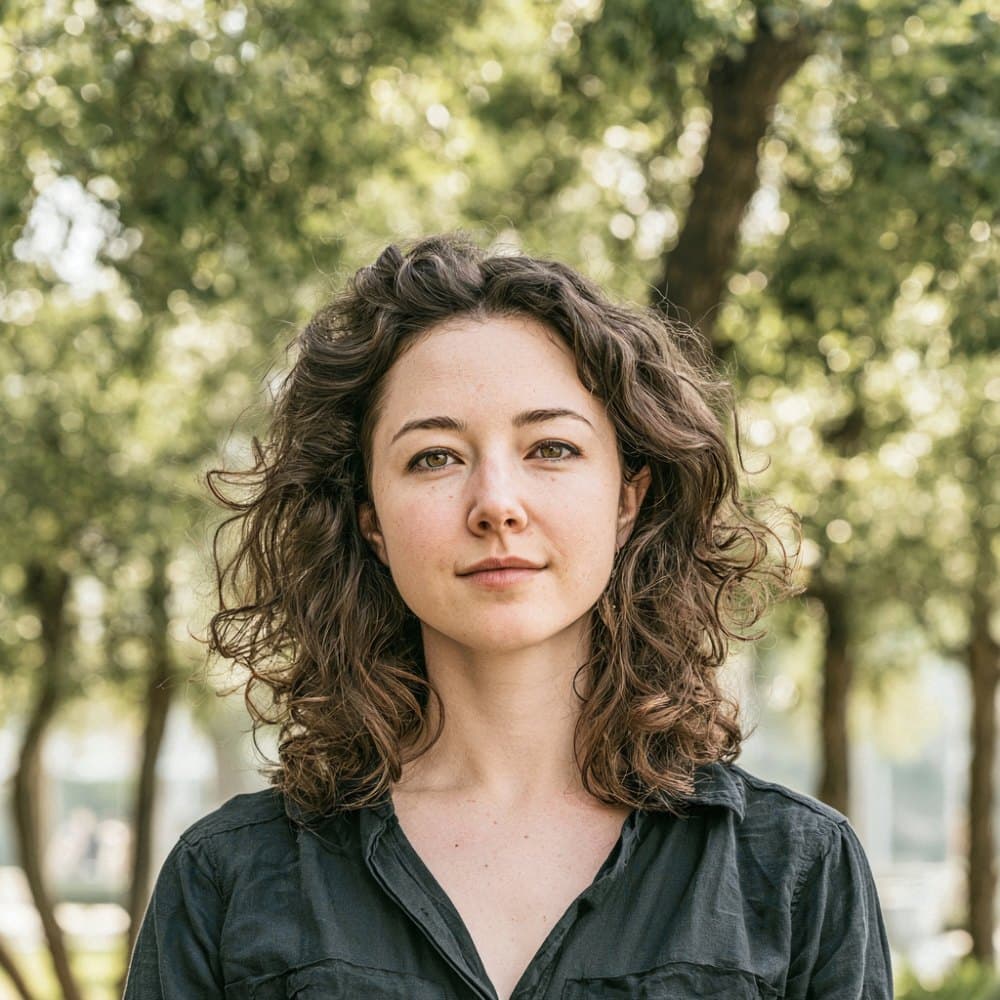
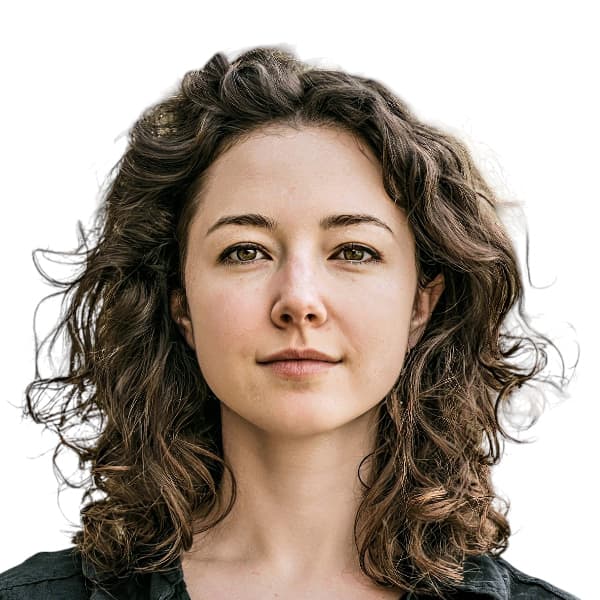
Lesotho visa photos and the Ministry of Home Affairs
Lesotho visas are issued by the Department of Immigration and Passport Services within the Ministry of Home Affairs. The Ministry’s published guidance asks only for a recent passport-size photograph showing the full face clearly against a plain background, and the same qualitative standard is applied uniformly across tourist, business, student, official, joining-relative, and special tourist categories.
Submission channels for entry visas are unusual. There is no third-party visa application centre network abroad: applicants either upload a digital photograph through the e-Visa portal at evisalesotho.com, email the application to VISA-Applications.Immigration@gov.ls when the portal is routed to manual processing, or submit printed photographs in person or by post to a Lesotho embassy or high commission. The Washington DC embassy accepts a single 2×2 in print, while the London High Commission expects two prints at 45×35 mm.
Because no automated cropper sits between the applicant and the consular officer, a photograph that fails the qualitative rules (face not clearly visible, sunglasses or tinted lenses, hair across the eyes, non-religious headwear) will be returned and the application held until a compliant replacement is supplied. Getting the photograph right at submission is the simplest way to avoid a delay.
What the Lesotho visa photo must show
The Department of Immigration and Passport Services keeps published rules brief, but the VFS biometric guidance that supports Lesotho’s permit and visa intake sets clear expectations for the subject in frame.
Expression & pose
- Full-face, front viewThe applicant must face the camera squarely so both cheeks are visible and, where possible, both ears. The head must not be tilted or rotated.
- Eyes open and clearEyes must be open, looking at the camera, and unobstructed. Hair must not fall across the eyes.
- Neutral expressionA neutral expression with the mouth closed is the accepted biometric norm for Lesotho visa submissions.
Eyewear & lenses
- Sunglasses and tinted lensesSunglasses and tinted spectacles are prohibited under the VFS biometric guidance used for Lesotho intake.
- Clear prescription glassesClear prescription glasses are not explicitly banned, but removing them is recommended so that glare or frame shadow does not obscure the eyes.
Hair & face
- Hair away from the eyesHair must be arranged so it does not cross the eyes or hide the eyebrows.
- Ears where possibleBoth ears should be visible if the applicant’s hairstyle allows. This is preferred rather than strictly mandatory.
Headwear
- General ruleHeadwear is not permitted in the photo.
- Religious or medical exceptionHead coverings worn for religious or medical reasons are accepted, provided the face is fully visible from the chin to above the eyebrows and both cheeks are uncovered.
Clothing & accessories
- Everyday clothingOrdinary street clothing is acceptable. Uniforms and camouflage are not appropriate for a civilian visa photo.
- Face must remain visibleJewelry, scarves, or accessories that obscure any part of the face from chin to brow are not permitted.
Photo recency
- Recent likenessThe e-Visa guidance requires a recent passport-style photograph that reflects the applicant’s current appearance.
Dimensions, resolution & background.
Head position & camera distance.
- Head height, measured from the bottom of the chin to the top of the head, must be between 25.4 mm and 35.1 mm (roughly 50–69% of the photo height).
- Eyes must sit between 28 mm and 35.1 mm from the bottom of the photo.
- The head must be centered horizontally in the frame with a small symmetrical margin on each side.
- Both shoulders must be square to the camera and visible. Three-quarter angles or rotated torsos are not accepted.
- The full face from chin to crown must be inside the frame with proper top margin.
How recent the photo must be.
Your visa photo must have been taken within the last six months. A new photo is required sooner whenever your appearance has changed in a way that makes the old photo no longer recognizable.
You need a new photo if you’ve had…
- Facial surgery or a major change to facial structure
- A significant gain or loss of weight that visibly changes your face
- Large facial tattoos or piercings added or removed
- A gender transition that has changed your appearance
You do not need a new photo just because of…
- A new hair color
- Growing or removing a beard or moustache
- Ordinary, minor aging
- A new hairstyle that still leaves the face fully visible
Other things to know.
A few features of Lesotho’s visa intake are unusual enough to call out separately.
E-visa portal currently suspended
The Ministry of Home Affairs has flagged the automated e-Visa system as suspended and directs applicants to email VISA-Applications.Immigration@gov.ls. The photo is submitted as a digital attachment with no automated cropper checking it on intake.
Print size depends on mission
Lesotho does not publish a single binding print dimension. The Embassy in Washington DC accepts the 2 by 2 inch US passport size and asks for one print, while the High Commission in London accepts 45 by 35 mm and asks for two prints.
No third-party VAC for entry visas
Entry visas are handled directly by Lesotho’s embassies, high commissions, and the Ministry of Home Affairs. The VFS-run Permit Facilitation Centre inside Lesotho handles residence permits only, not entry visas.
Same rules at every age
Lesotho does not publish separate photo rules for infants or children. The adult standard applies to every applicant, so a young child must still appear with eyes open, facing the camera, and with nothing obscuring the face.
Take your Lesotho visa photo at home in three steps.
Plus a human layer. Your files are ready the moment the automatic checks pass — and a real passport-photo specialist also reviews each one, usually within minutes, touching up small issues or flagging anything that needs your attention.
Free to check, and reviewed by a real expert. You only pay when you keep it.
Print-quality requirements for in-person submissions.
When you submit a printed photo at a visa application centre, the paper, finish, and ink all matter. The points below cover the standards most consular missions accept.
- Print on photographic-quality paper at 300 DPI minimum.
- Use a matte or semi-gloss finish; high-gloss can produce reflections that confuse biometric scanners.
- Do not retouch, crop, or alter the photo after printing.
- Bring at least two identical prints when the submission channel calls for paper photos.