
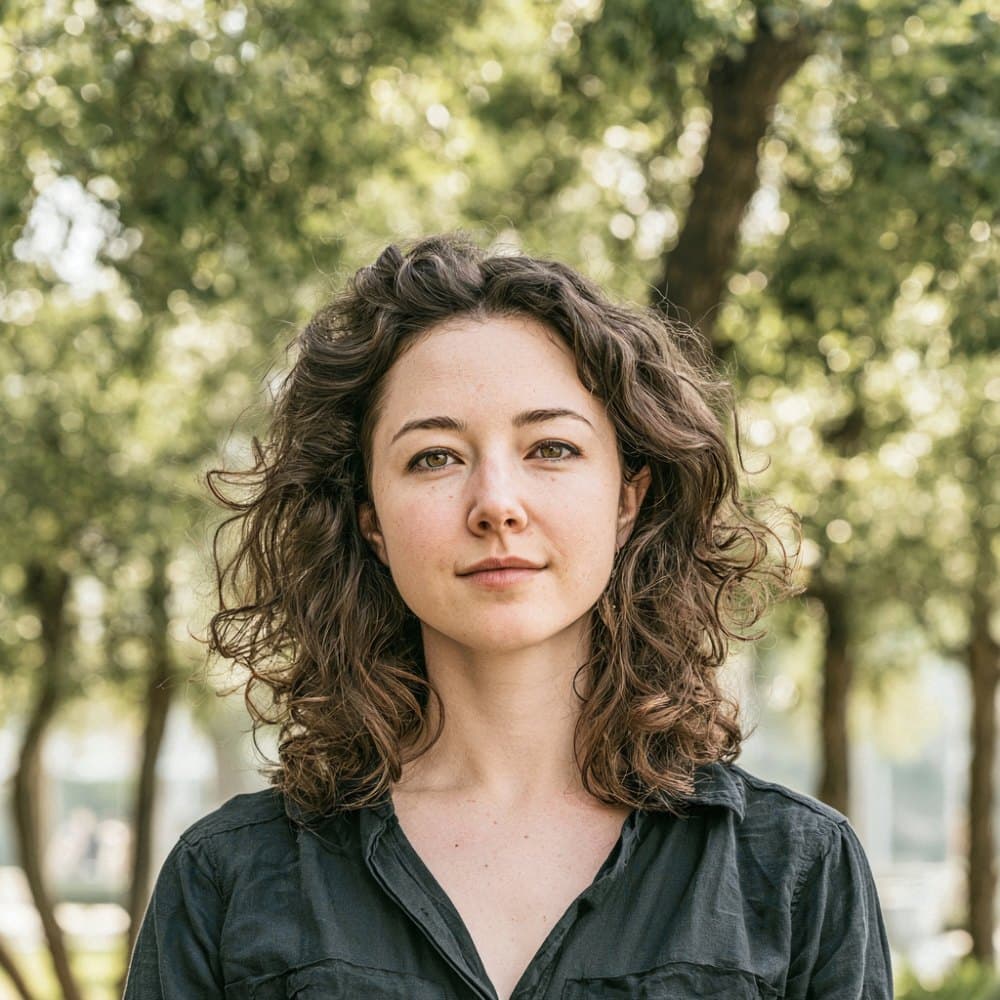
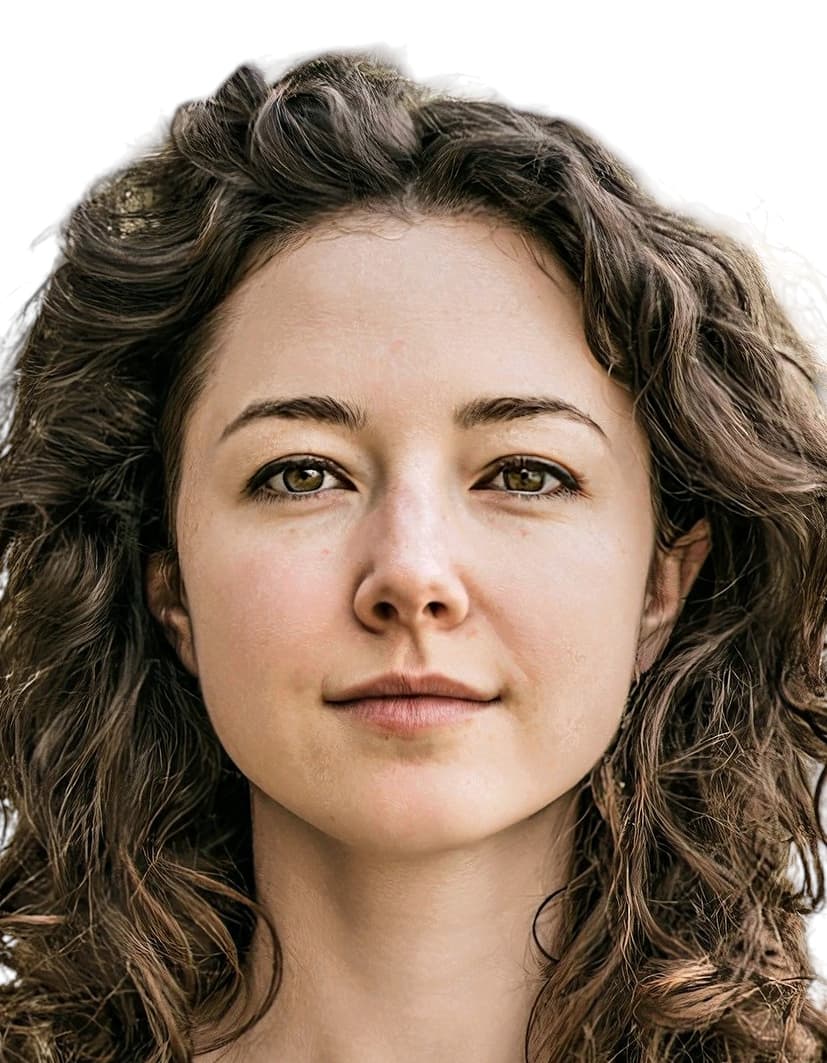
Saint Kitts and Nevis visa photos and the Ministry of Foreign Affairs standard
Formal visa photos for Saint Kitts and Nevis are governed by the Ministry of Foreign Affairs, International Trade and Immigration. The current photo instructions were published in August 2024 and set a single 35 by 45 mm portrait standard that also covers passport applications. The Immigration Department applies the same standard at the border, so the rules are uniform across consular and entry channels.
Applications reach the government through two routes. Nationalities that require a full visa apply through the Electronic Entry Visa portal at evisa.gov.kn, while embassy and High Commission posts in Ottawa, London, Toronto, Washington DC and other capitals accept paper photos for long-stay, student, work and passport submissions. Short-stay visitors use the separate eTA portal at knatravelform.kn, which is not a visa and operates under looser selfie rules that do not apply to a formal visa photograph.
The Ministry of Foreign Affairs enforces its photo rules strictly. Photographs that fail on background contrast, visible ears, glasses, expression or colour are returned, and a non-compliant submission delays the application until a fresh photo is supplied. Embassy visa files require two identical copies, so both prints must match the published specification exactly.
Saint Kitts and Nevis visa photo requirements
The Ministry of Foreign Affairs, International Trade and Immigration sets a single subject standard for formal visa photos. Follow these rules to avoid rejection at the High Commission, embassy, or EEV portal.
Expression & pose
- Neutral expressionThe applicant must hold a neutral facial expression with the mouth closed. Smiling, frowning, or other expressions are not accepted by the Ministry of Foreign Affairs.
- Eyes open and visibleBoth eyes must be open and looking directly at the camera. Hair, glasses, or any other element obscuring the eyes is grounds for rejection.
- Head facing forwardThe face must be aimed squarely at the camera with the head level. Tilted, turned, or profile poses are not accepted.
- Head and shoulders framingThe photo must be a close-up of the head and the top of the shoulders, with the head occupying 70 to 80 percent of the frame from chin to crown.
Eyewear & lenses
- All glasses prohibitedThe MoFA instructions explicitly prohibit prescription glasses, tinted shades, and sunglasses. Eyewear must be removed before the photo is taken, even if it is worn daily.
Ears & hair
- Both ears visibleBoth ears must be showing in the photo. This is an explicit Ministry of Foreign Affairs rule and a common cause of rejection. Long hair should be tucked behind the ears.
- Hair clear of the eyesHair must not fall across or obscure the eyes. Fringes and bangs that cover the eyebrows or eyelids are not permitted.
Headwear
- Religious or medical onlyHats and other head coverings are not permitted unless worn for documented religious or medical reasons. Any approved covering must leave the full face, from the bottom of the chin to the forehead, completely visible.
Clothing
- Avoid white topsThe Ministry of Foreign Affairs requires clear contrast between the subject and the plain white background. White or very pale tops should not be worn, as they blend into the backdrop.
- Everyday attireOrdinary street clothing is expected. Uniforms are not accepted unless worn daily for religious reasons.
Dimensions, resolution & background.
Head position & camera distance.
- Head height, measured from the bottom of the chin to the top of the head, must be between 31 mm and 36 mm (roughly 70–80% of the photo height).
- Eyes must sit between 24 mm and 28 mm from the bottom of the photo.
- The head must be centered horizontally in the frame with a small symmetrical margin on each side.
- Both shoulders must be square to the camera and visible. Three-quarter angles or rotated torsos are not accepted.
- The full face from chin to crown must be inside the frame with proper top margin.
How recent the photo must be.
Your visa photo must have been taken within the last six months. A new photo is required sooner whenever your appearance has changed in a way that makes the old photo no longer recognizable.
You need a new photo if you’ve had…
- Facial surgery or a major change to facial structure
- A significant gain or loss of weight that visibly changes your face
- Large facial tattoos or piercings added or removed
- A gender transition that has changed your appearance
You do not need a new photo just because of…
- A new hair color
- Growing or removing a beard or moustache
- Ordinary, minor aging
- A new hairstyle that still leaves the face fully visible
Other things to know.
A few quirks of the Saint Kitts and Nevis system are worth flagging before you submit.
eTA vs. formal visa
Most short-stay visitors do not need a visa and instead use the Electronic Travel Authorisation at knatravelform.kn, which accepts looser cell-phone selfies. This specification covers the formal visa photo submitted via the High Commission, embassy, or the Electronic Entry Visa portal at evisa.gov.kn.
Six-month recency rule
The photo must have been taken within the last six months. Older photos, even if they are still a true likeness, are refused by the Ministry of Foreign Affairs.
Two identical prints
Visa submissions to a High Commission or embassy require two identical printed copies of the photo. Plan to print a pair rather than a single image.
Color photo required
Formal visa and passport photos must be in color. Black and white prints are not accepted, even though the separate eTA portal permits monochrome selfies for its own intake.
Take your Saint Kitts and Nevis visa photo at home in three steps.
Plus a human layer. Your files are ready the moment the automatic checks pass — and a real passport-photo specialist also reviews each one, usually within minutes, touching up small issues or flagging anything that needs your attention.
Free to check, and reviewed by a real expert. You only pay when you keep it.
Print-quality requirements for in-person submissions.
When you submit a printed photo at a visa application centre, the paper, finish, and ink all matter. The points below cover the standards most consular missions accept.
- Print on photographic-quality paper at 600 DPI minimum.
- Use a matte or semi-gloss finish; high-gloss can produce reflections that confuse biometric scanners.
- Do not retouch, crop, or alter the photo after printing.
- Bring at least two identical prints when the submission channel calls for paper photos.