
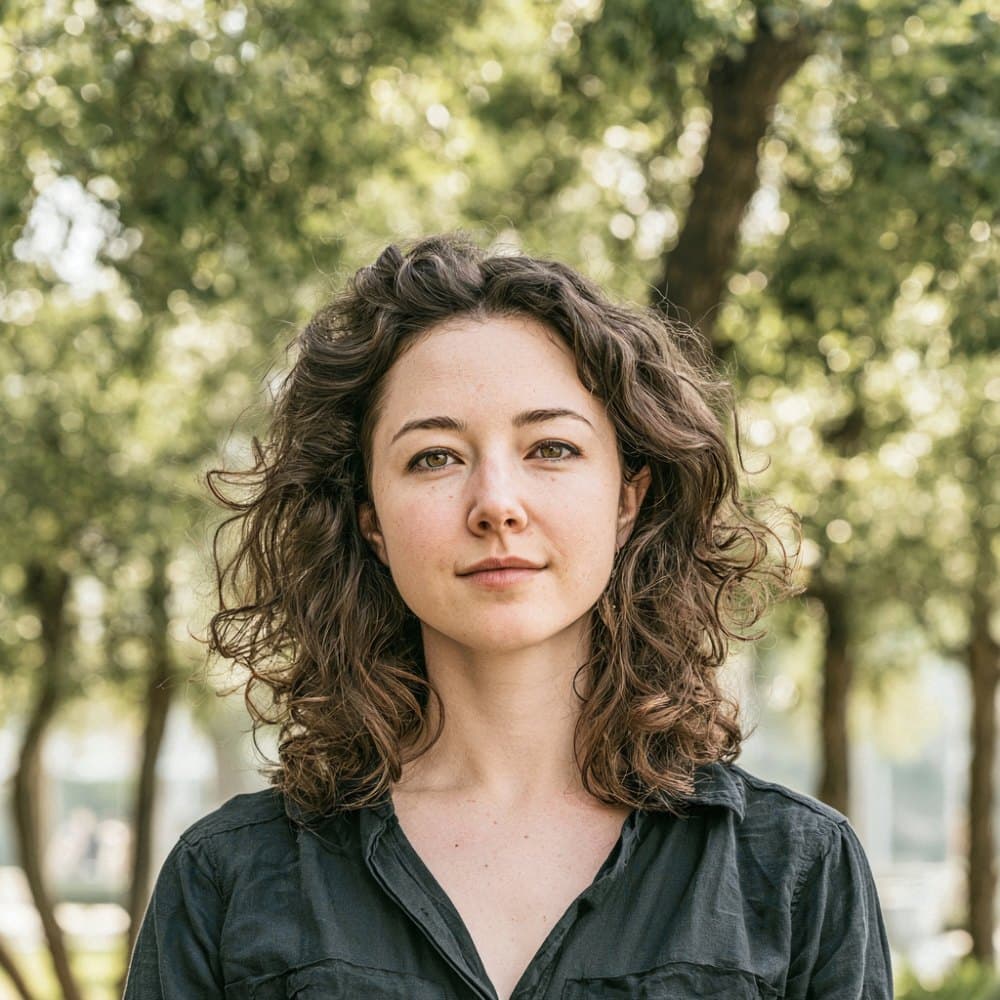
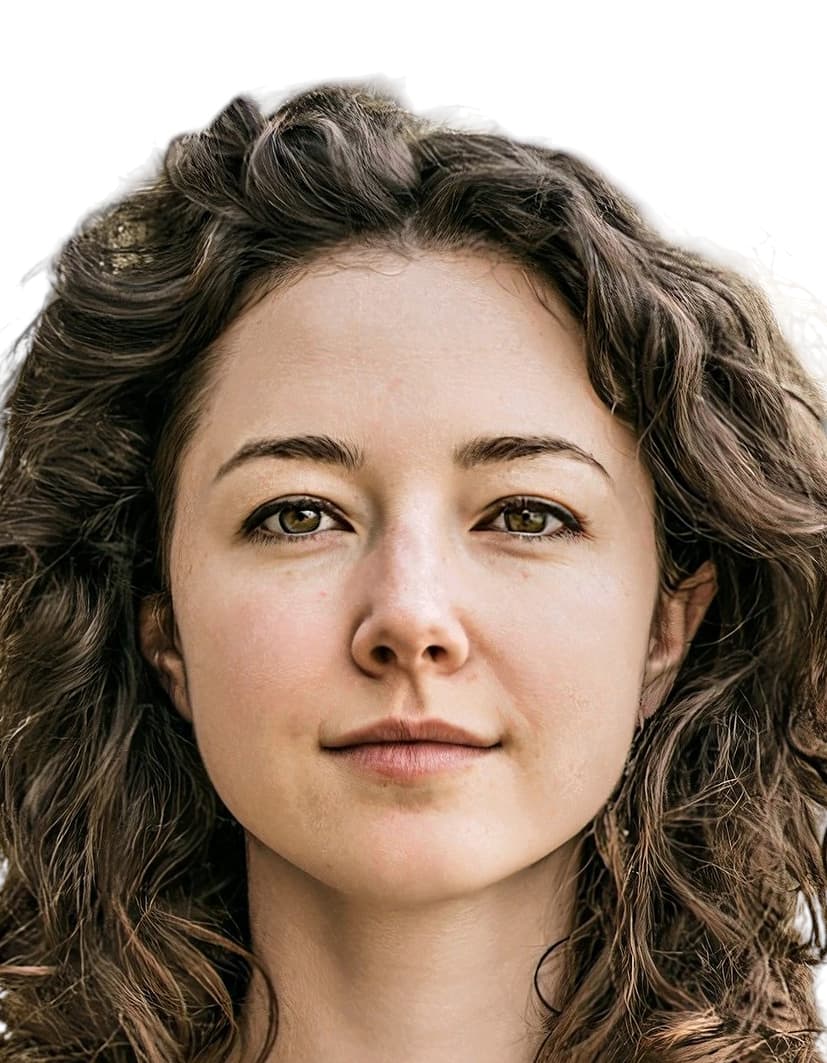
How the Kyrgyz Ministry of Foreign Affairs Regulates Visa Photos
The Ministry of Foreign Affairs of the Kyrgyz Republic (MFA KR) sets the photo standard for every Kyrgyz visa, from tourist and business permits to study, work, and transit categories. The published rule is short and strict: a 30 × 40 mm color image on a plain white background, taken within the last six months, with no glasses and no headwear. The same image is used whether the applicant is uploading to the e-visa portal or handing in prints at a Kyrgyz diplomatic mission.
There is no visa application centre operator in the Kyrgyz channel. Applications are submitted directly through the official e-visa portal at evisa.e-gov.kg or in person at an embassy or consulate, and the photo is always supplied by the applicant. The portal accepts JPEG and PNG uploads up to roughly 1 MB, and the Kyrgyz Embassy in Washington D.C. additionally accepts a 51 × 51 mm (2 × 2 in) print alongside the 30 × 40 mm standard.
Consular officers and the e-visa system enforce the MFA rules strictly. A photo with the wrong background, visible eyewear, a head covering outside accepted religious practice, or visible age beyond six months will be flagged and the application returned for correction, which delays issuance and, for time-sensitive travel, can mean missing a departure date.
What the Kyrgyz MFA expects in your visa photo
The Ministry of Foreign Affairs of the Kyrgyz Republic publishes a short, strict list of rules for visa photos. The subject-side requirements below apply to every applicant, regardless of visa category.
Expression & pose
- Frontal full faceThe MFA requires a straight, frontal view of the full face with the head level and the camera at eye level. No tilt or rotation of the head is accepted.
- Neutral expressionKeep a relaxed, neutral expression with the mouth closed. Smiling, frowning, or any exaggerated expression is not accepted.
- Eyes open and visibleBoth eyes must be open and clearly visible, looking directly at the camera. Squinting or closed eyes will cause the application to be rejected.
Eyewear & lenses
- No eyeglassesThe MFA consular page explicitly prohibits glasses (“без очков”). Prescription frames, reading glasses, sunglasses, and tinted lenses must all be removed before the photo is taken, with no medical-note exception.
Hair & facial hair
- Face must stay visibleHair must not fall across the eyes or obscure the outline of the face. Fringes and loose strands should be tucked back so the full facial area is shown.
Headwear
- No hats or capsHeadwear is prohibited by the MFA (“без головного убора”). Caps, hats, beanies, hoods, and decorative headbands must be removed.
- Religious head coveringsHead coverings worn for religious reasons are accepted in practice provided the face is fully visible from the chin to the forehead, with both edges of the face clearly shown.
Accessories & clothing
- Unobstructed faceJewelry, scarves, masks, or any accessory that covers part of the face is not accepted. Small earrings or studs that do not obscure facial features are fine.
- Everyday clothingWear ordinary clothing in colours that contrast with a plain white background. Uniforms are discouraged for civilian visa applications.
Photo recency
- Taken within 6 monthsThe MFA requires that the photo be taken within the last six months and reflect the applicant’s current appearance. Older photos are rejected even if the spec is otherwise correct.
Dimensions, resolution & background.
Head position & camera distance.
- Head height, measured from the bottom of the chin to the top of the head, must be between 33 mm and 36 mm (roughly 73–81% of the photo height).
- Eyes must sit between 21 mm and 25 mm from the bottom of the photo.
- The head must be centered horizontally in the frame with a small symmetrical margin on each side.
- Both shoulders must be square to the camera and visible. Three-quarter angles or rotated torsos are not accepted.
- The full face from chin to crown must be inside the frame with proper top margin.
How recent the photo must be.
Your visa photo must have been taken within the last six months. A new photo is required sooner whenever your appearance has changed in a way that makes the old photo no longer recognizable.
You need a new photo if you’ve had…
- Facial surgery or a major change to facial structure
- A significant gain or loss of weight that visibly changes your face
- Large facial tattoos or piercings added or removed
- A gender transition that has changed your appearance
You do not need a new photo just because of…
- A new hair color
- Growing or removing a beard or moustache
- Ordinary, minor aging
- A new hairstyle that still leaves the face fully visible
Other things to know.
A few features of the Kyrgyz visa process are worth flagging before you submit.
E-visa portal, no VAC
Kyrgyzstan does not use a visa application centre operator. Applications are filed directly through the official e-Visa portal at evisa.e-gov.kg or in person at a Kyrgyz diplomatic mission. The portal accepts one photo per application at up to roughly 1 MB.
Washington D.C. size exception
The Kyrgyz Embassy in Washington D.C. also accepts the US-style 2 by 2 inch (51 by 51 mm) print alongside the standard 30 by 40 mm photo. Either format is valid for in-person or mail-in submission at that mission.
Many travellers are visa-exempt
Citizens of the EU, UK, US, Canada, Australia, Japan, South Korea, and several Gulf states do not need a visa for short stays and therefore do not submit a visa photo at all. Confirm whether a visa is actually required before producing one.
Strict glasses rule
The no-glasses rule is enforced more strictly than the ICAO baseline. Even applicants with a medical reason to wear glasses are expected to remove them for the photo.
Take your Kyrgyzstan visa photo at home in three steps.
Plus a human layer. Your files are ready the moment the automatic checks pass — and a real passport-photo specialist also reviews each one, usually within minutes, touching up small issues or flagging anything that needs your attention.
Free to check, and reviewed by a real expert. You only pay when you keep it.
Print-quality requirements for in-person submissions.
When you submit a printed photo at a visa application centre, the paper, finish, and ink all matter. The points below cover the standards most consular missions accept.
- Print on photographic-quality paper at 300 DPI minimum.
- Use a matte or semi-gloss finish; high-gloss can produce reflections that confuse biometric scanners.
- Do not retouch, crop, or alter the photo after printing.
- Bring at least two identical prints when the submission channel calls for paper photos.