
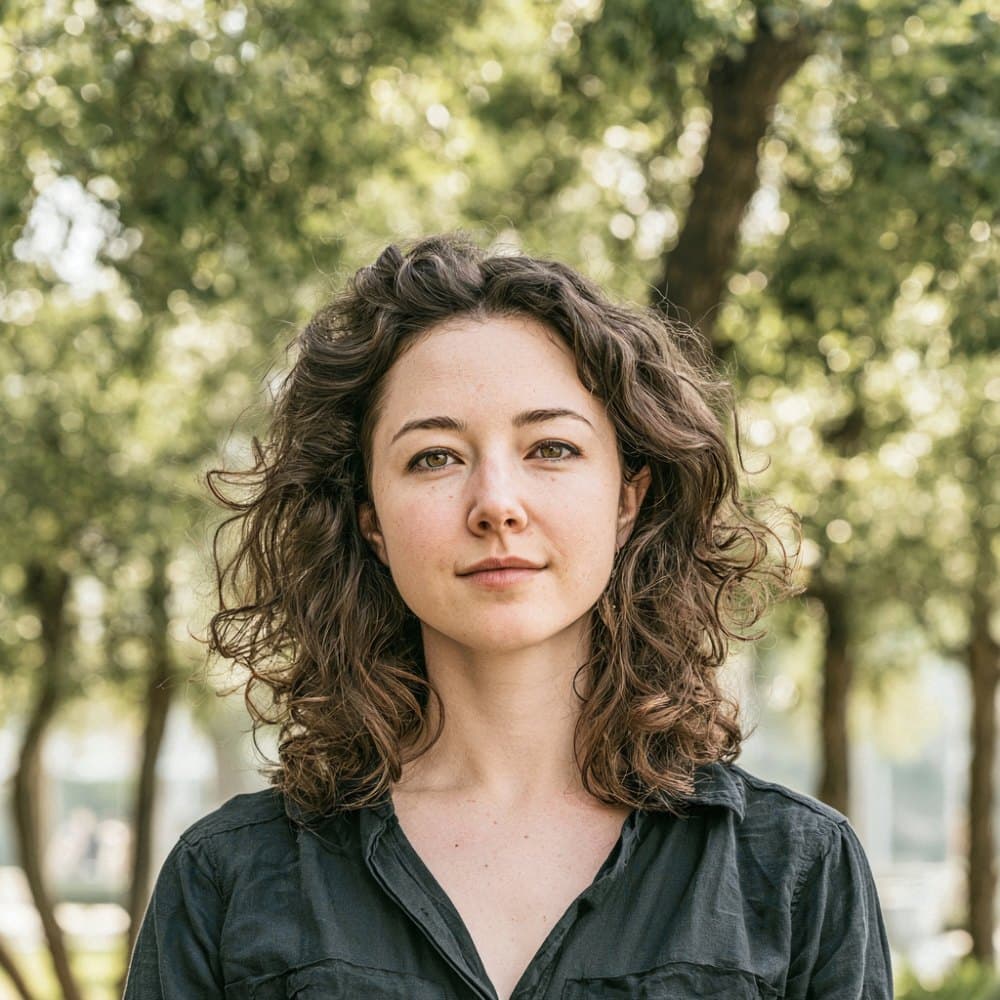
Italy visa photos as set by MAECI and its visa centres
Italy’s visa photograph is governed by the Ministero degli Affari Esteri e della Cooperazione Internazionale (MAECI) and applied at Italian consulates and the visa application centres they appoint, including VFS Global, TLScontact, BLS International and ItalyVMS. The standard print is 35 by 45 mm on a plain white background, taken within the last six months, with a neutral expression and the face squarely facing the camera. The same biometric template covers short-stay Schengen (Type C) and long-stay national (Type D) categories.
There is no applicant-facing digital upload for an Italy visa. The photograph is always submitted as a physical print attached to the printed application form, and on-site live biometric capture at the consulate or VAC is recorded separately for the VIS system. Since 11 January 2025, under Law Decree 145/2024, fingerprint capture is mandatory for all national visa applicants, which has effectively closed mail-in submission for most long-stay categories.
Italian intake staff are strict. Scanned or photocopied photos, prints on plain paper, visible creases, glare from eyewear, or any sign of digital retouching will see the application returned or rejected at the counter, delaying the appointment and the visa decision. Print specifications also vary by channel: the Toronto consulate uses 35 by 40 mm, BLS Singapore uses 40 by 50 mm with a 30 mm face cap, ItalyVMS accepts 30 by 40 mm, and certain Type D visas at the New York and Philadelphia consulates require a 40 by 35 mm portrait variant.
What Italian consulates expect to see in your visa photo
The Ministero degli Affari Esteri (MAECI) and its visa centres apply ICAO biometric standards. The rules below cover what you, the subject, must look like in the final print.
Expression & pose
- Neutral expressionKeep a neutral expression. No smiling, frowning, or raised eyebrows. The Polizia di Stato ICAO guidance and the BLS and ItalyVMS intake rules all require a relaxed, even face.
- Mouth closedThe mouth must be closed and teeth must not be visible. BLS Italy intake states explicitly that teeth showing is grounds for rejection.
- Eyes open and forwardBoth eyes must be fully open, clearly visible, and looking straight at the camera. Squinting or partially closed eyes are rejected.
- Square to cameraFace the camera squarely with shoulders level. No head tilt, no looking over the shoulder, and no stylised poses. The Consulate General in Toronto rejects any photo with a styled pose.
Eyewear & lenses
- EyeglassesGlasses are effectively prohibited. ItalyVMS forbids them unless medically necessary, and other Italian channels reject for any glare or frame obstruction. Remove glasses before the photo is taken.
- Sunglasses and tinted lensesSunglasses, tinted lenses, and transition lenses that have darkened are absolutely prohibited across every Italian consulate and visa application centre.
Hair & face visibility
- Hair off the faceHair must not cover the eyes, eyebrows, or the contours of the face. Both sides of the face must be visible.
- Forehead and bangsThe forehead must not be obscured by bangs or fringes that fall over the brow. The full face from chin to hairline must be readable.
- EarsEars need not be visible, but hair must not be styled in a way that hides the contours of the face. ItalyVMS prefers ears exposed.
Headwear
- Hats and capsHeadwear is not permitted. Hats, caps, headbands, and hoods must be removed before the photo is taken.
- Religious or medical head coveringsHead coverings worn for religious or medical reasons are permitted. The full face contour from chin to forehead and both sides of the face must remain clearly visible, with no shadows cast onto the face.
Jewelry & cosmetics
- Jewelry and piercingsDiscreet jewelry is acceptable. Avoid large, reflective, or face-obscuring items that could cause glare or hide facial features.
- MakeupKeep cosmetics light and natural. Heavy or transformative makeup that alters the appearance of facial features is not acceptable.
Clothing
- Everyday clothingWear normal everyday clothing. Uniforms and camouflage patterns are not accepted.
- Contrast with backgroundClothing should contrast with the white background. Avoid white or very pale tops, which blend into the backdrop and cause rejection.
Photo quality
- Face shadowsNo shadows on the face, under the eyes, nose, or chin. Uneven lighting that casts shadows is a frequent cause of rejection.
- Red-eye and reflectionsRed-eye is strictly prohibited. Flash reflections in the eyes or on the skin are also grounds for rejection.
- Print conditionThe submitted print must be pristine: no creases, staple holes, paperclip marks, smudges, tears, or ink. Scanned or photocopied photos are rejected outright.
- RecencyThe photo must have been taken within the last six months and must reflect your current appearance. Significant changes such as weight change, facial tattoos, or reconstructive surgery require a fresh photo.
Dimensions, resolution & background.
Head position & camera distance.
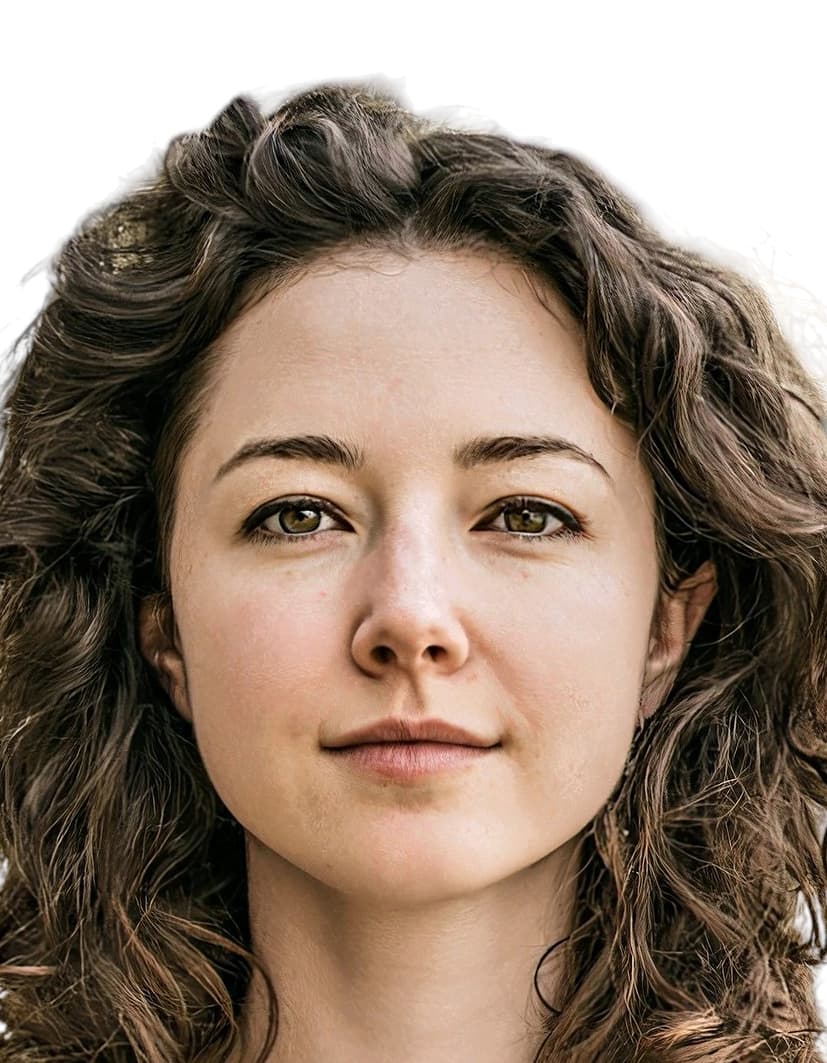
- Head height, measured from the bottom of the chin to the top of the head, must be between 33 mm and 36 mm (roughly 73–81% of the photo height).
- Eyes must sit between 21 mm and 25 mm from the bottom of the photo.
- The head must be centered horizontally in the frame with a small symmetrical margin on each side.
- Both shoulders must be square to the camera and visible. Three-quarter angles or rotated torsos are not accepted.
- The full face from chin to crown must be inside the frame with proper top margin.
How recent the photo must be.
Your visa photo must have been taken within the last six months. A new photo is required sooner whenever your appearance has changed in a way that makes the old photo no longer recognizable.
You need a new photo if you’ve had…
- Facial surgery or a major change to facial structure
- A significant gain or loss of weight that visibly changes your face
- Large facial tattoos or piercings added or removed
- A gender transition that has changed your appearance
You do not need a new photo just because of…
- A new hair color
- Growing or removing a beard or moustache
- Ordinary, minor aging
- A new hairstyle that still leaves the face fully visible
Photos for infants and young children.
Italian consular text does not formally codify child photo rules, but visa application centres apply practical leniency for the youngest applicants.
Infants (under 12 months)
Intake staff at Italian consulates and visa application centres apply operational leniency for babies under one year old. Adults must stay out of the frame entirely.
- Support surfaceThe infant may be laid on a plain white sheet or placed in a car seat covered with a white sheet so the backdrop reads as uniform white.
- EyesEyes may be closed. The strict adult requirement for open, forward-facing eyes is relaxed for this age group.
- ExpressionA neutral expression is not required. The face simply needs to be visible and unobstructed.
- No supporters in frameNo hands, arms, fingers, toys, or adult faces may appear in the photo. Anyone steadying the child must stay outside the frame.
Other things to know.
A few quirks of the Italian visa channel are worth flagging before you submit.
No digital photo upload
Italy does not operate an applicant-facing e-visa or digital photo upload system. The MAECI E-@pplication tool produces a printable PDF, and the photo is always attached to the printed application as a physical print.
Consulate-specific size variants
A handful of jurisdictions use sizes other than 35x45 mm. The Consulate General in Toronto uses 35x40 mm, NY and Philadelphia require a 40 mm tall by 35 mm wide ICAO format for digital nomad and certain Type D visas, BLS Singapore requires 40x50 mm with a face length under 30 mm, and ItalyVMS in Russia and the CIS accepts 30x40 mm. Check the page for the specific consulate or visa application centre handling your file.
Bring duplicate originals
Most consulates ask for one print, but TLScontact in Lebanon requires two or three identical copies depending on the visa type. Bring at least two identical originals to the appointment to cover both cases.
Fingerprints now mandatory for Type D
Since 11 January 2025, under Law Decree 145/2024, fingerprint capture is mandatory for all national (Type D) visa applicants. Mail-in submission has effectively ended for long-stay categories, so plan to appear in person with your printed photo.
Take your Italy visa photo at home in three steps.
Plus a human layer. Your files are ready the moment the automatic checks pass — and a real passport-photo specialist also reviews each one, usually within minutes, touching up small issues or flagging anything that needs your attention.
Free to check, and reviewed by a real expert. You only pay when you keep it.
Print-quality requirements for in-person submissions.
When you submit a printed photo at a visa application centre, the paper, finish, and ink all matter. The points below cover the standards most consular missions accept.
- Print on photographic-quality paper at 300 DPI minimum.
- Use a matte or semi-gloss finish; high-gloss can produce reflections that confuse biometric scanners.
- Do not retouch, crop, or alter the photo after printing.
- Bring at least two identical prints when the submission channel calls for paper photos.