
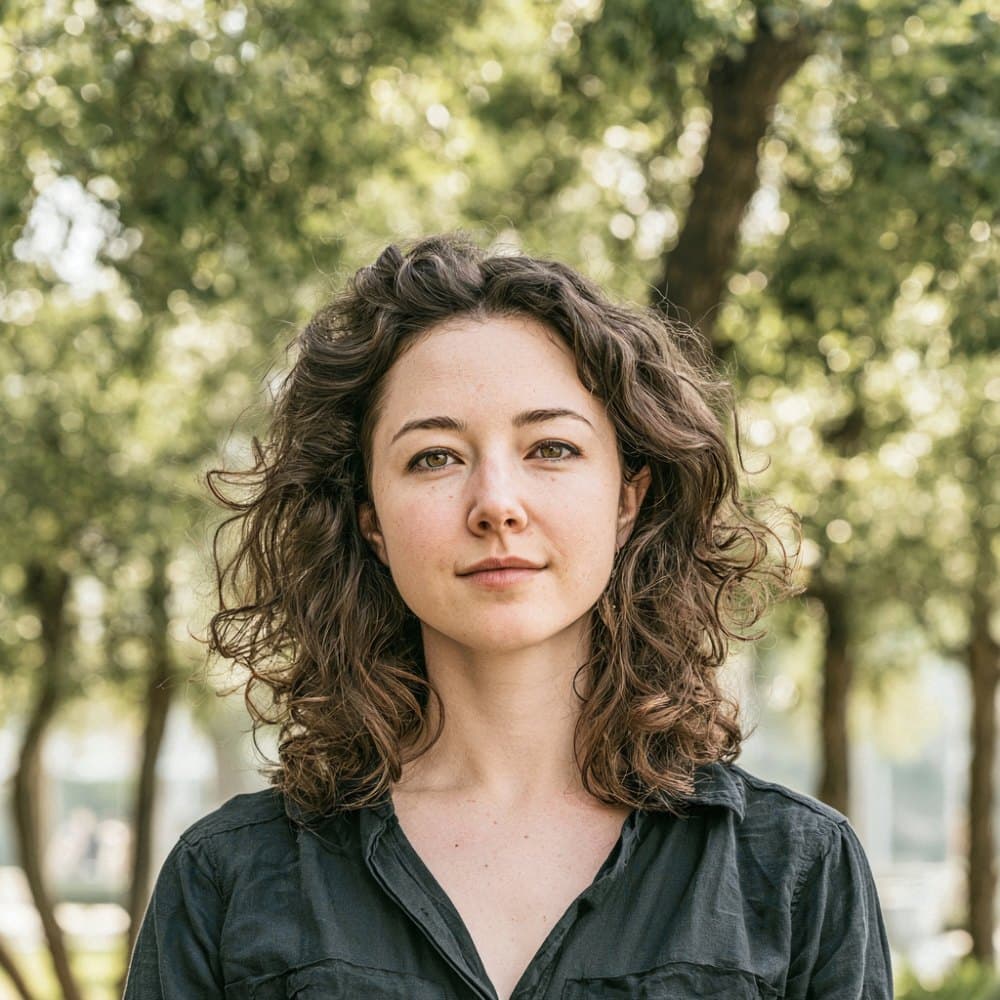
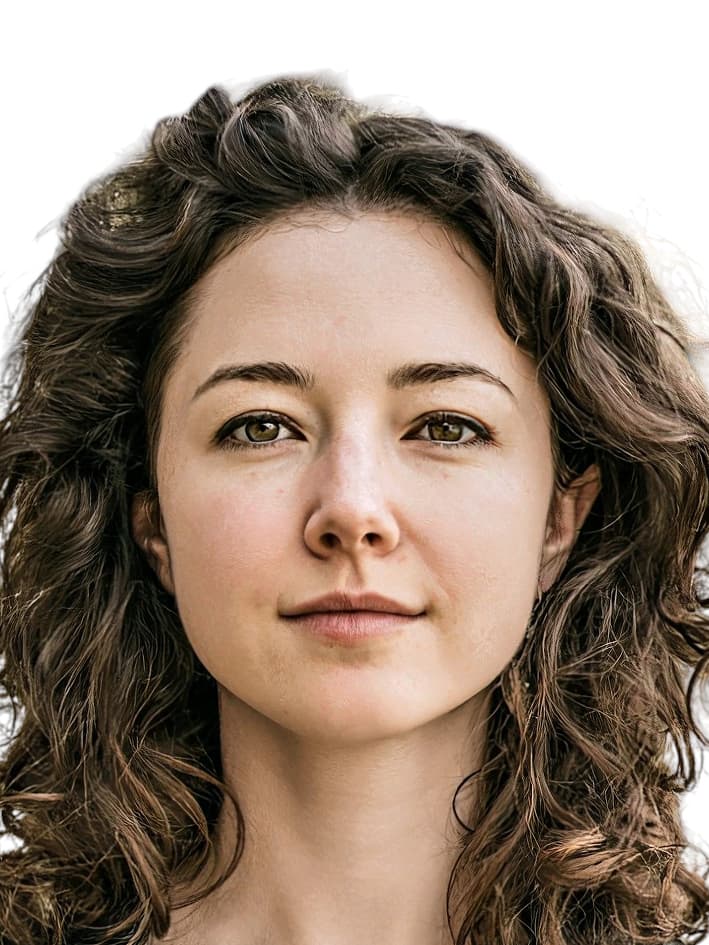
Iran visa photo standards set by the Ministry of Foreign Affairs
Iran’s visa photo specification is published and enforced by the Ministry of Foreign Affairs (MFA) of the Islamic Republic of Iran through its Consular Affairs Department. The same standard governs every visa category, whether tourist, business, pilgrimage, student, medical, transit, or work, and there are no separate dimensional rules for different visa types.
Submissions flow through one of two MFA-controlled channels. The primary route is the official e-visa portal at evisatraveller.mfa.ir, which accepts a digital photo upload and runs an automated image check before the application can proceed. The secondary route is in-person submission at an Iranian embassy or consulate for traditional sticker visas and interview-required cases. Iran does not outsource intake to VFS Global, BLS, or any other visa application centre operator, so the MFA reviews every photo directly.
The MFA’s automated checker is unusually strict, and a photo that fails compliance is rejected outright rather than queued for human review. Common failure modes include reusing a crop taken from a passport biographical page, submitting an image that does not match the portal’s required aspect ratio, or supplying a background that is not cleanly uniform. A rejection forces the applicant to restart the upload step and can delay issuance of the visa.
Iran visa photo requirements at a glance
The Ministry of Foreign Affairs publishes a single photo standard for every Iranian visa category. These are the subject-side rules you need to get right before uploading.
Expression & pose
- Neutral expressionKeep a relaxed, neutral expression with the mouth closed and no visible teeth. Smiling, frowning, or raised eyebrows will trigger an automated rejection on the MFA portal.
- Eyes open and forwardBoth eyes must be fully open, clearly visible, and looking straight at the camera. Squinting, blinking, or looking off-axis is not accepted.
- Head squared to cameraFace the camera directly with the head level. Tilted, turned, or angled poses are rejected because the full facial oval must be visible from hairline to chin.
Eyewear & lenses
- EyeglassesGlasses are prohibited on Iranian visa photos. An exception exists only when a documented medical reason requires them, and even then the frames must not cover the eyes and the lenses must be clear with no glare or tint.
- Tinted and coloured lensesSunglasses, transition lenses, and decorative coloured contact lenses are not accepted. Eye colour must appear natural.
Hair & facial hair
- Hair off the faceHair must be arranged so it does not fall across the eyes, eyebrows, or the contour of the face. Heavy fringes that cover the forehead are rejected.
- Ears and face contourBoth ears should ideally be visible and the outline of the face should be unobstructed by hair.
Headwear
- Hats and capsHats, caps, and any non-religious head covering are not permitted. Anything that obscures the hair, hairline, or facial features will cause a rejection.
- Religious head coveringsHead coverings worn daily for religious reasons are allowed, provided the full face from hairline to chin remains visible and the covering casts no shadow on the face.
- Practical guidance for womenThe MFA digital image page does not formally mandate hijab for foreign women, but consular reviewers apply Iranian public-dress norms and rejection risk is substantially elevated for uncovered photos. A loose scarf that leaves the full face visible is the safe choice.
Accessories
- Headphones and earpiecesHeadphones, earbuds, and wireless hands-free devices are explicitly prohibited and must be removed before the photo is taken.
- JewelryDiscreet jewelry is permitted as long as it does not obscure facial features or produce reflections that interfere with the image.
Cosmetics
- MakeupMakeup should be minimal and natural. Heavy cosmetics that alter the apparent shape or colour of facial features are not accepted.
Clothing
- Everyday attireWear ordinary day clothing. Uniforms are not permitted, except for religious garments worn daily.
- Avoid all-white topsTops that are fully white tend to blend into the required white background and weaken the outline of the shoulders, so a contrasting colour is recommended.
Photo recency
- Taken within six monthsThe photo must have been taken within the last six months and must reflect your current appearance. Significant changes in weight, facial hair, piercings, or surgery require a fresh capture.
- No bio-page cropsCropping the image from an existing passport bio-page is prohibited and is the single most common automated rejection cause on the MFA portal.
Dimensions, resolution & background.
Head position & camera distance.
- Head height, measured from the bottom of the chin to the top of the head, must be between 27 mm and 29 mm (roughly 67–74% of the photo height).
- Eyes must sit between 20 mm and 24 mm from the bottom of the photo.
- The head must be centered horizontally in the frame with a small symmetrical margin on each side.
- Both shoulders must be square to the camera and visible. Three-quarter angles or rotated torsos are not accepted.
- The full face from chin to crown must be inside the frame with proper top margin.
Iran accepts more than one size — we generate them all.
Iran publishes more than one acceptable format depending on where you submit your application — domestic passport offices, the official online portal, and regional consulates abroad can each call for a different print or pixel size. We render every variant below from the same source photo, so the head sits at the same physical position across files, and each one arrives in your order email with a clear filename indicating which submission channel it's for.
Iran Visa 30×40 mm
Primary specIran's recommended print format — accepted at most in-country submissions and the default we render first.
Iran Visa 400×600 px — e-Visa
Digital uploadSized for Iran's e-Visa online application.
How recent the photo must be.
Your visa photo must have been taken within the last six months. A new photo is required sooner whenever your appearance has changed in a way that makes the old photo no longer recognizable.
You need a new photo if you’ve had…
- Facial surgery or a major change to facial structure
- A significant gain or loss of weight that visibly changes your face
- Large facial tattoos or piercings added or removed
- A gender transition that has changed your appearance
You do not need a new photo just because of…
- A new hair color
- Growing or removing a beard or moustache
- Ordinary, minor aging
- A new hairstyle that still leaves the face fully visible
Photos for infants and young children.
The MFA applies the same standard to adults and children, with one narrow allowance for babies.
Infants (under 1 year)
Babies under twelve months are granted limited expression and pose latitude, but the framing and background rules still apply.
- Eyes may be closedFor infants under one year, the eyes do not have to be open. A natural sleeping or resting expression is accepted.
- Infant alone in frameThe baby must appear by themselves. Supporting hands, arms, props, toys, pacifiers, and any second person in the frame are not permitted.
- Head position toleranceA small amount of head tilt or turn is tolerated for infants, provided the full face remains visible to the camera.
Other things to know.
A few quirks of the Iranian visa process catch applicants out even when the photo itself is correct.
Two crops, two formats
The e-visa portal expects a 2:3 digital image, while embassy walk-in submissions use a 3:4 printed photo at 30 by 40 mm. The two crops are not interchangeable, so applicants preparing both channels need each format generated separately.
No VFS or BLS channel
Iran does not outsource visa intake to VFS Global, BLS, or TLScontact. Every application flows directly through the MFA e-visa portal or an Iranian embassy or consulate, and self-supplied photos are accepted in both.
Pre-upload image checker
The MFA publishes an automated image verification tool on the e-visa portal. Running the file through that checker before submission helps catch issues that would otherwise return the application.
Visa-on-arrival nationalities
Travellers eligible for Iranian visa-on-arrival still rely on the photo uploaded to the e-visa portal in advance. The same MFA specification applies.
Take your Iran visa photo at home in three steps.
Plus a human layer. Your files are ready the moment the automatic checks pass — and a real passport-photo specialist also reviews each one, usually within minutes, touching up small issues or flagging anything that needs your attention.
Free to check, and reviewed by a real expert. You only pay when you keep it.
Print-quality requirements for in-person submissions.
When you submit a printed photo at a visa application centre, the paper, finish, and ink all matter. The points below cover the standards most consular missions accept.
- Print on photographic-quality paper at 300 DPI minimum.
- Use a matte or semi-gloss finish; high-gloss can produce reflections that confuse biometric scanners.
- Do not retouch, crop, or alter the photo after printing.
- Bring at least two identical prints when the submission channel calls for paper photos.