
How Haiti’s Ministère des Affaires Étrangères handles visa photos
Haitian visas are issued by the Ministère des Affaires Étrangères et des Cultes (MAEC), with consular operations carried out by the Direction de l’Immigration et de l’Émigration. The MAEC publishes a minimal photo rule, calling for two recent color passport-style photographs, and individual consulates default to the passport-photo convention of their host country. Missions in the United States and Canada accept the 2×2 in (51×51 mm) format, while Haitian embassies in Europe and Asia accept the 35×45 mm format.
There is no e-visa portal and no third-party visa application centre involved. Every application is paper-based, submitted by walk-in or by mail directly to the embassy or consulate, with two identical printed photographs attached to the form. The same specification applies across tourist, business, student, transit, and official categories, and applies to applicants of all ages.
Because consular officers physically affix the photos to the application, prints that are off-size, off-color, or visibly substandard are grounds for the application to be returned or held until a compliant photo is supplied. A clear color print on a plain white background, taken within the last six months, is accepted at any Haitian mission worldwide.
What the Haitian consulate expects in a visa photo
The MAEC publishes minimal technical detail, so consular officers default to standard passport-photo conventions. The subject-side rules below are what staff actually check at the counter.
Expression & pose
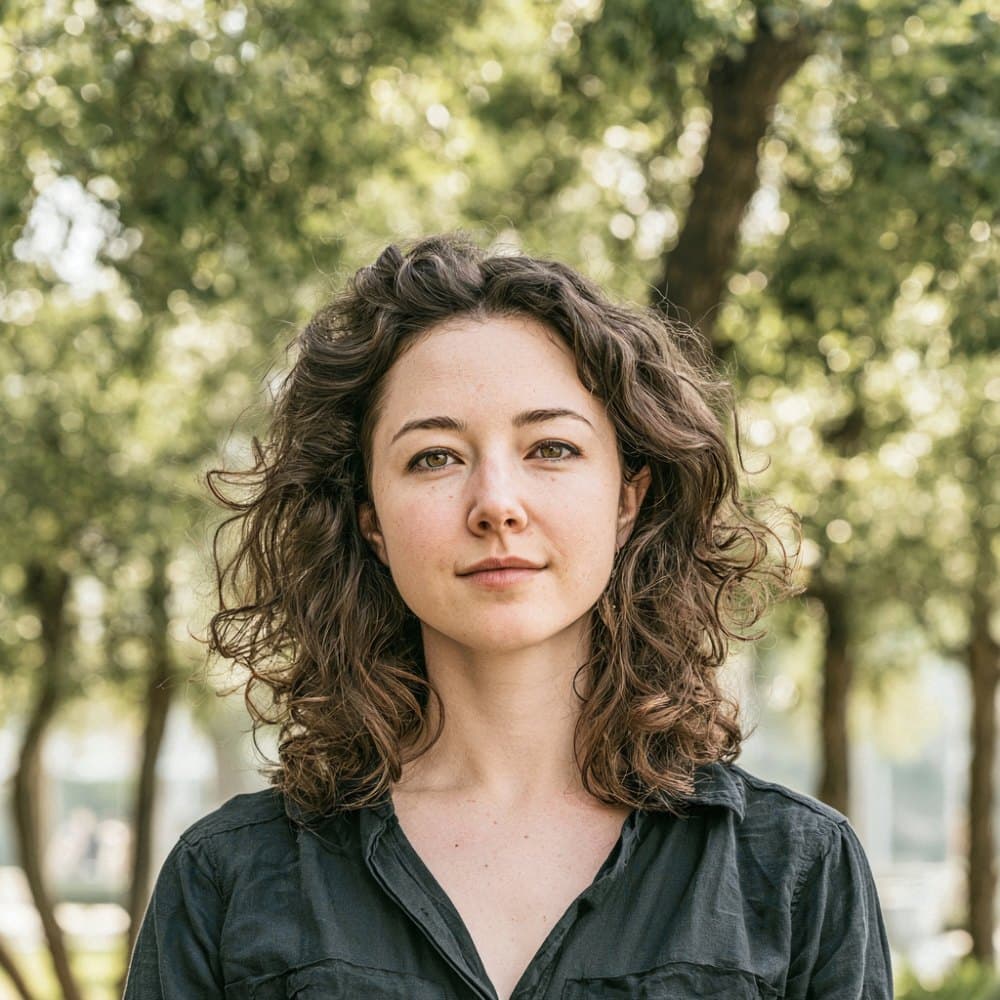
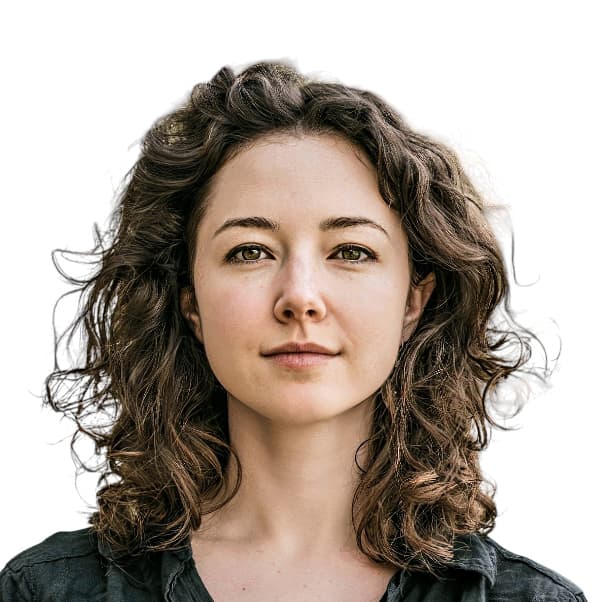
- Face the cameraAdopt a full-face, front-view pose with the head upright and shoulders square to the camera.
- Neutral expressionKeep a relaxed, neutral expression with the mouth closed. Smiling, frowning, or other exaggerated expressions are not accepted in a passport-style photo.
- Eyes open and visibleBoth eyes must be open and looking directly at the camera. Hair, glare, or shadows must not obscure the eyes.
Eyewear & lenses
- EyeglassesEyeglasses are not permitted in the photo. Remove all prescription and reading glasses before the photo is taken, even if they are worn daily.
- Sunglasses and tinted lensesSunglasses and any tinted or coloured lenses are not accepted under any circumstances.
Headwear
- No hats or head coveringsHats, caps, and other headgear are not permitted. The full outline of the head, hairline to chin, must be visible.
- Religious head coveringsHead coverings worn daily for religious reasons are accepted provided the full face from the forehead to the chin remains clearly visible.
Hair & face
- Hair off the faceHair must not fall across the eyes, eyebrows, or the outline of the face. Long hair worn over the shoulders is fine as long as facial features remain unobstructed.
Clothing
- Everyday clothingOrdinary street clothing is expected. Uniforms and any clothing that resembles a uniform are not accepted, except for religious attire worn daily.
- Avoid white topsBecause the background is white, a white or very pale top can blur into it. A darker or mid-tone garment keeps the head and shoulders clearly defined.
Photo quality
- Two identical printsTwo identical colour prints are submitted with the application. Both copies must match exactly and be free of creases, marks, or damage.
- Recent likenessThe photograph must be a current likeness of the applicant. Use a photo taken within the last six months.
Dimensions, resolution & background.
Head position & camera distance.
- Head height, measured from the bottom of the chin to the top of the head, must be between 26 mm and 35.1 mm (roughly 51–69% of the photo height).
- Eyes must sit between 28 mm and 31 mm from the bottom of the photo.
- The head must be centered horizontally in the frame with a small symmetrical margin on each side.
- Both shoulders must be square to the camera and visible. Three-quarter angles or rotated torsos are not accepted.
- The full face from chin to crown must be inside the frame with proper top margin.
How recent the photo must be.
Your visa photo must have been taken within the last six months. A new photo is required sooner whenever your appearance has changed in a way that makes the old photo no longer recognizable.
You need a new photo if you’ve had…
- Facial surgery or a major change to facial structure
- A significant gain or loss of weight that visibly changes your face
- Large facial tattoos or piercings added or removed
- A gender transition that has changed your appearance
You do not need a new photo just because of…
- A new hair color
- Growing or removing a beard or moustache
- Ordinary, minor aging
- A new hairstyle that still leaves the face fully visible
Other things to know.
A few quirks of the Haitian visa channel are worth knowing before you print.
Limited applicant pool
A Haiti visa is only required for nationals of the Dominican Republic, Panama, Colombia, Cuba, Syria, Libya, Iran, Vietnam, and Yemen. Most other travellers enter visa-free and pay a small tourist fee on arrival, with no photo submitted in advance.
No e-visa channel
Haiti does not operate an e-visa portal and uses no third-party visa application centre such as VFS Global or TLScontact. Every application is filed on paper at a Haitian embassy or consulate, either in person or by mail, with two physical prints enclosed.
Regional size variants
Haitian missions default to the host country’s passport-photo convention. North American consulates (Washington, Miami, Chicago, Boston) accept 2 x 2 in (51 x 51 mm), while missions in Europe, Asia, and Africa accept 35 x 45 mm. Match the size to the consulate handling your file.
Two identical copies
The consulate keeps both prints with the paper application, so they must be exact duplicates. A mismatched pair, or a single photo, is grounds for the application to be returned unprocessed.
Take your Haiti visa photo at home in three steps.
Plus a human layer. Your files are ready the moment the automatic checks pass — and a real passport-photo specialist also reviews each one, usually within minutes, touching up small issues or flagging anything that needs your attention.
Free to check, and reviewed by a real expert. You only pay when you keep it.
Print-quality requirements for in-person submissions.
When you submit a printed photo at a visa application centre, the paper, finish, and ink all matter. The points below cover the standards most consular missions accept.
- Print on photographic-quality paper at 300 DPI minimum.
- Use a matte or semi-gloss finish; high-gloss can produce reflections that confuse biometric scanners.
- Do not retouch, crop, or alter the photo after printing.
- Bring at least two identical prints when the submission channel calls for paper photos.