
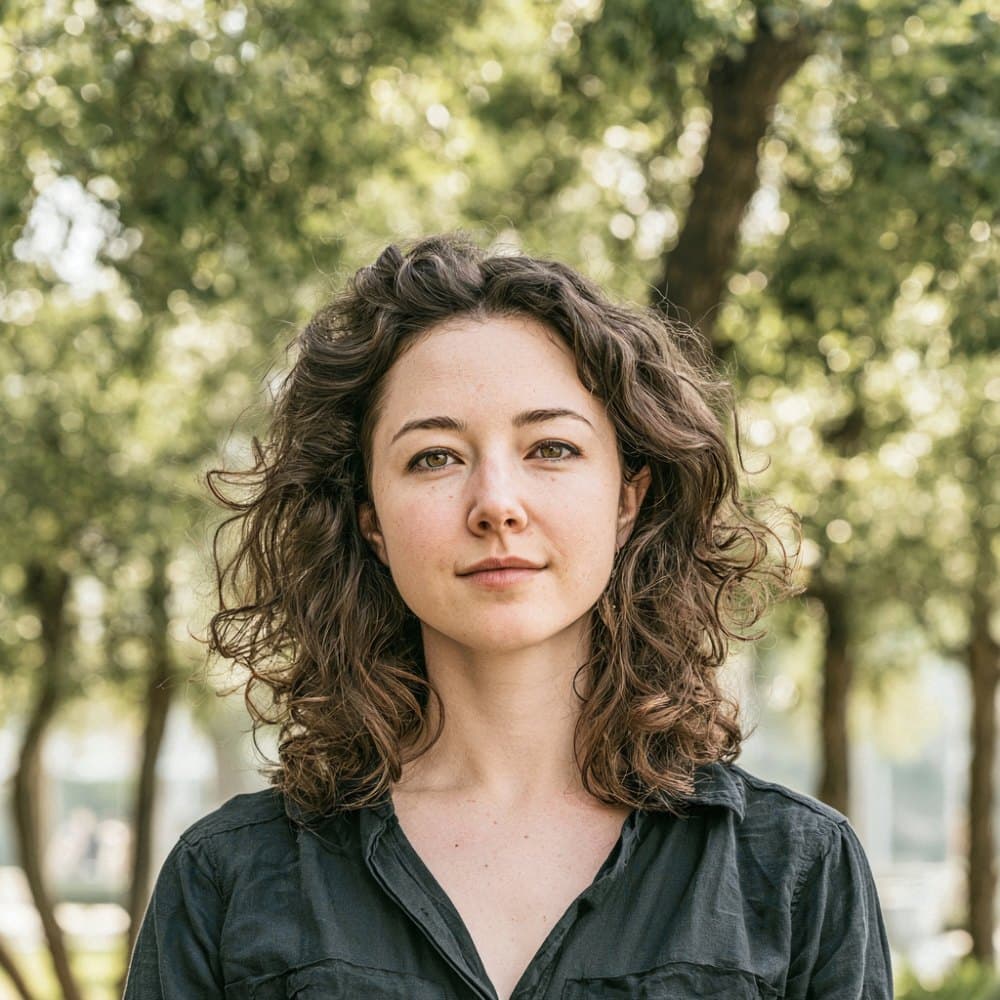
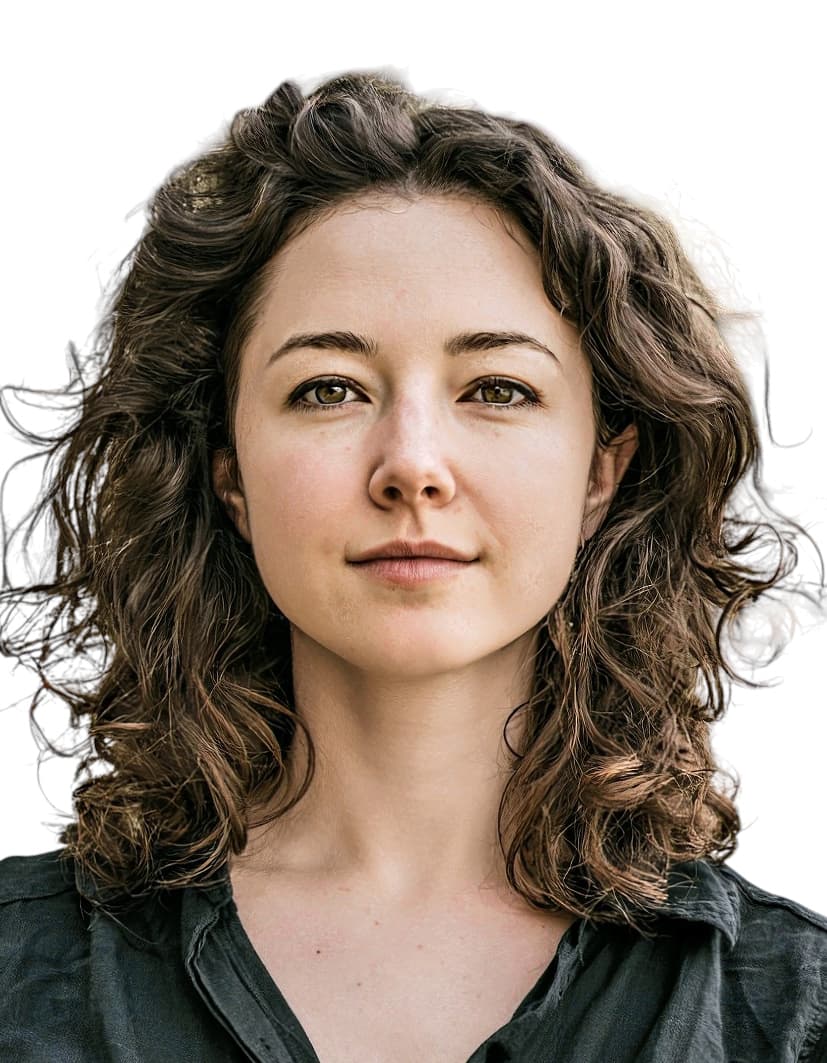
Guinea-Bissau visa photos and the Serviço de Migração e Fronteiras
Guinea-Bissau visas are issued as biometric stickers under the Serviço de Migração e Fronteiras within the Ministério do Interior, with diplomatic missions handling intake abroad. Since the biometric regime took effect on 10 November 2015, paper photos submitted at a consulate are scanned directly into the sticker pipeline, which is why print quality and sharp focus carry real weight at the counter.
There is no public photo-upload e-visa portal. The RGB Visa system acts as a pre-enrolment intake, and applicants who do not qualify for Visa on Arrival at Osvaldo Vieira International Airport must submit two identical physical prints to a mission such as the Embassy in Lisbon or the Permanent Mission to the UN in New York. The print size tracks the host mission, with 35×45 mm covering the Lusophone and West African posts and 51×51 mm covering North American submissions.
Photos that fail to match the receiving mission’s format, that show glare on prescription lenses, or that no longer reflect the applicant’s current appearance within the six-month recency window are returned at submission, delaying the visa file. Following the published Embassy of Guinea-Bissau guidance the first time avoids a second trip to the consulate.
Guinea-Bissau visa photo requirements
The Embassy of Guinea-Bissau and other diplomatic missions enforce ICAO-aligned biometric standards. The rules below cover what the applicant must look like in the final photo.
Expression & pose
- Neutral expressionThe applicant must hold a neutral expression with the mouth closed. No smiling, frowning, or raised eyebrows. Teeth must not be visible.
- Eyes open and forwardBoth eyes must be open and looking directly into the camera. Squinting is not accepted.
- Square to cameraThe face must be fully frontal and square to the lens, with no tilt or rotation of the head.
Eyewear & lenses
- Sunglasses and tinted lensesSunglasses, tinted lenses, and any coloured eyewear are prohibited.
- Prescription glassesPrescription glasses are discouraged and should be removed where possible. If worn for documented medical reasons, frames must not obstruct the eyes and lenses must show no glare or reflection.
Hair & facial features
- Hair off the faceHair must not fall across the eyes or cover the eyebrows, and must not obscure the outline of the face.
- Current appearanceThe photo must reflect the applicant’s current appearance. Significant changes such as new facial hair, weight change, surgery, or new piercings require a fresh photo.
Headwear
- No hats or capsHeadwear is not permitted. The face must be fully visible from the tip of the chin to the top of the forehead.
- Religious head coveringsHead coverings worn for religious reasons are accepted provided they do not cast shadows on the face and do not obscure any facial features from chin to forehead.
Photo quality
- No red-eyeRed-eye is grounds for rejection. The pupils must appear natural.
- No facial shadowsShadows cast across the face by hats, hair, or uneven lighting are not accepted. The face must be evenly visible.
- Sharp focusThe photo must be sharp and in focus. Motion blur or soft features are not accepted, since the print is scanned into the biometric visa sticker pipeline.
Cosmetics & retouching
- Natural appearanceHeavy cosmetics that alter the natural appearance of the face are not accepted. Skin tones must look natural.
- No manipulationRetouching, smoothing, blemish removal, and feature alteration are grounds for rejection. The photo must show the applicant as they actually appear.
Clothing
- Everyday clothingEveryday clothing is acceptable. Uniforms are discouraged unless worn daily for religious reasons.
Dimensions, resolution & background.
Head position & camera distance.
- Head height, measured from the bottom of the chin to the top of the head, must be between 32 mm and 35.4 mm (roughly 71–79% of the photo height).
- Eyes must sit between 28.4 mm and 32.9 mm from the bottom of the photo.
- The head must be centered horizontally in the frame with a small symmetrical margin on each side.
- Both shoulders must be square to the camera and visible. Three-quarter angles or rotated torsos are not accepted.
- The full face from chin to crown must be inside the frame with proper top margin.
Guinea-Bissau accepts more than one size — we generate them all.
Guinea-Bissau publishes more than one acceptable format depending on where you submit your application — domestic passport offices, the official online portal, and regional consulates abroad can each call for a different print or pixel size. We render every variant below from the same source photo, so the head sits at the same physical position across files, and each one arrives in your order email with a clear filename indicating which submission channel it's for.
Guinea-Bissau Visa 35×45 mm
Primary specGuinea-Bissau's recommended print format — accepted at most in-country submissions and the default we render first.
Guinea-Bissau Visa 2×2 in — New York mission
Consular printUS-style 2×2 in size used by US-based consulates and visa agencies.
Guinea-Bissau Visa 30×40 mm
Consular printAlternate accepted size — printable for in-person submissions.
How recent the photo must be.
Your visa photo must have been taken within the last six months. A new photo is required sooner whenever your appearance has changed in a way that makes the old photo no longer recognizable.
You need a new photo if you’ve had…
- Facial surgery or a major change to facial structure
- A significant gain or loss of weight that visibly changes your face
- Large facial tattoos or piercings added or removed
- A gender transition that has changed your appearance
You do not need a new photo just because of…
- A new hair color
- Growing or removing a beard or moustache
- Ordinary, minor aging
- A new hairstyle that still leaves the face fully visible
Other things to know.
A few quirks of the Guinea-Bissau visa channel are worth flagging before submission.
Mission-specific print sizes
Guinea-Bissau does not publish a single unified photo spec. The Embassy in Lisbon and most European and West African missions accept 35×45 mm, while the Permanent Mission to the UN in New York uses 2×2 in (51×51 mm). Check the receiving mission’s page before printing.
Two identical prints
Consulates including Lisbon and the UN Mission in New York require two identical paper photos submitted with the application. A single print is not sufficient.
Six-month recency rule
The photo must be no more than six months old at the time of submission and must reflect the applicant’s current appearance.
Visa on Arrival uses live capture
Travellers entering through Osvaldo Vieira International Airport in Bissau on a Visa on Arrival do not submit a paper photo. Biometric capture, including the photo, is performed live at the border desk after presenting the authorisation letter from the Migration Office.
Take your Guinea-Bissau visa photo at home in three steps.
Plus a human layer. Your files are ready the moment the automatic checks pass — and a real passport-photo specialist also reviews each one, usually within minutes, touching up small issues or flagging anything that needs your attention.
Free to check, and reviewed by a real expert. You only pay when you keep it.
Print-quality requirements for in-person submissions.
When you submit a printed photo at a visa application centre, the paper, finish, and ink all matter. The points below cover the standards most consular missions accept.
- Print on photographic-quality paper at 300 DPI minimum.
- Use a matte or semi-gloss finish; high-gloss can produce reflections that confuse biometric scanners.
- Do not retouch, crop, or alter the photo after printing.
- Bring at least two identical prints when the submission channel calls for paper photos.