
France visa photo rules from the Ministry of the Interior
France’s visa photo specification is set by the Ministry of the Interior and the Ministry for Europe and Foreign Affairs, and it follows the ICAO biometric standard used across the Schengen Area. The same 35 by 45 mm photo covers every visa category, from short-stay Schengen visas to long-stay national visas and airport transit visas, and it shares its core rules with the French passport and national identity card.
There is no standalone visa photo upload through the France-Visas portal. Applicants book an appointment at a visa application centre run by TLScontact, VFS Global, or Capago, where they hand over one or two identical printed photos and undergo live biometric capture for the Visa Information System. Applicants whose biometrics were captured in the previous 59 months may be exempt from a new capture, but a current compliant photo must still sit in the file.
Enforcement is strict and visibly tightened after the February 2025 update communicated by the French consulate to TLScontact. A photo that fails on background colour, expression, ear and forehead visibility, eyewear, or recency is returned at the counter, which delays the appointment and can push the entire application past its travel window.
France visa photo requirements at a glance
The Ministry of the Interior and the Ministry for Europe and Foreign Affairs apply a single ICAO-based standard at every TLScontact, VFS Global, and Capago appointment. Subject-side rules are enforced strictly.
Expression & pose
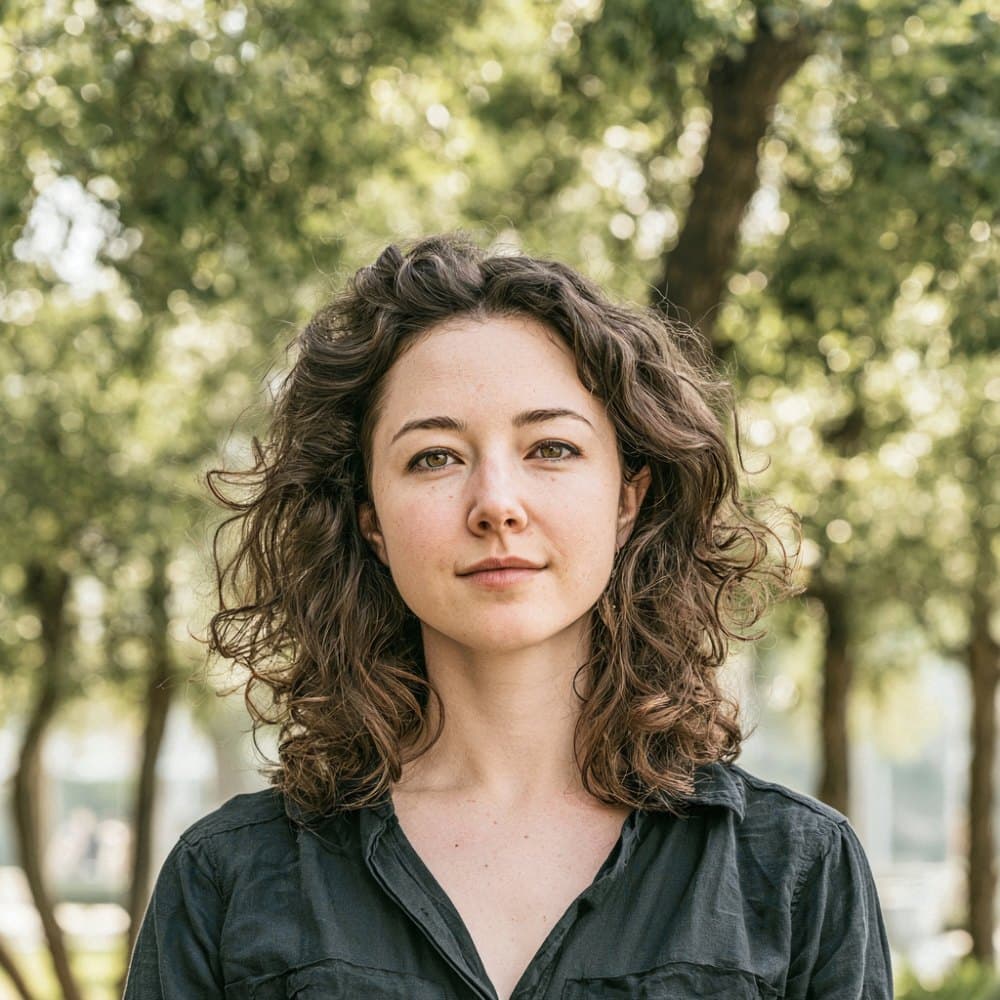
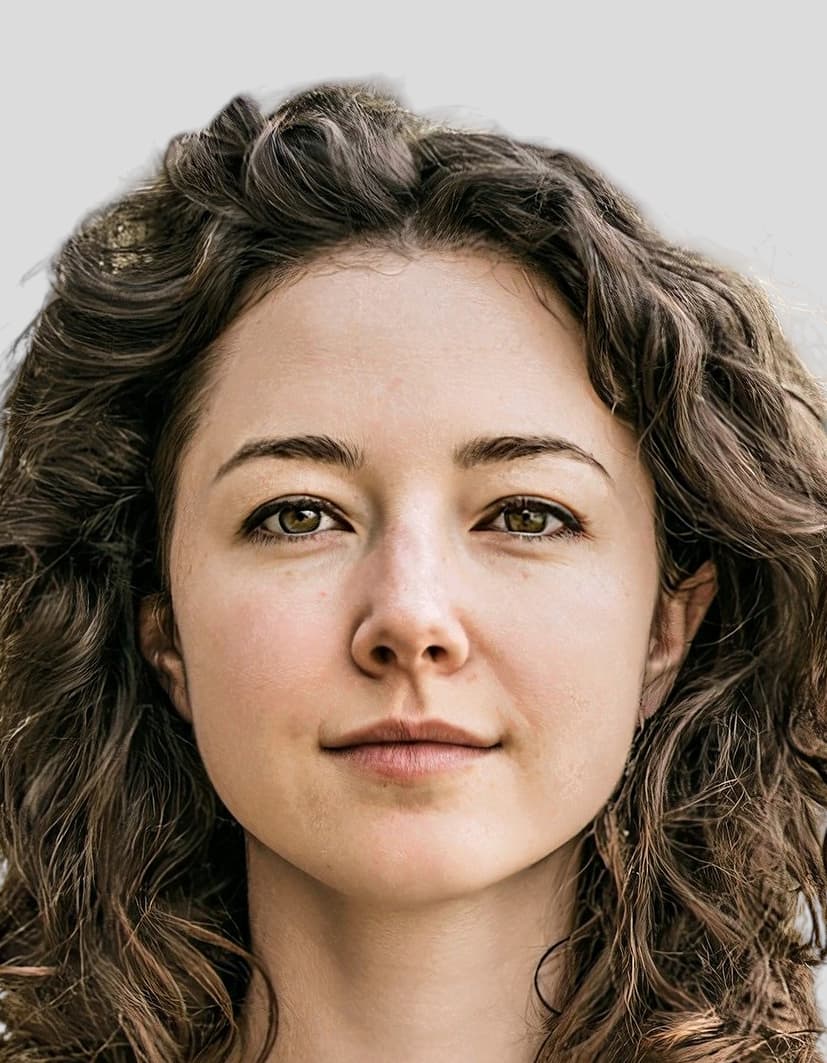
- Neutral expressionThe expression must be strictly neutral. Smiling, frowning, and raised eyebrows are grounds for rejection.
- Mouth closedThe mouth must be fully closed with no teeth visible. French enforcement on this point is notably strict, and even a closed-lip smile that curls the lip can trigger rejection.
- Eyes open and forwardEyes must be fully open, free of squinting, and looking directly into the lens.
- Head straight to cameraThe face must be presented squarely to the camera with no tilt, turn, or chin drop. Shoulders should be level and facing forward.
Eyewear & lenses
- EyeglassesGlasses should be removed for the photograph. The French authorities accept eyewear only where medically unavoidable, in which case frames must be thin, lenses clear and untinted, and the eyes fully visible with no glare or frame obstruction.
- Tinted or coloured lensesSunglasses and any tinted or coloured lenses are prohibited.
Hair & forehead
- Forehead visibleThe forehead must be visible. Bangs or fringes that cover the brow are not accepted under the February 2025 TLScontact enforcement update.
- Ears visibleHair must be swept back so that both ears are visible. This is enforced uniformly by TLScontact across French visa appointments.
- Hair off the faceHair must not cross the eyes or obscure the outline of the face, including the cheeks and jawline.
Headwear
- Hats and capsHats, caps, headbands, and decorative head accessories are prohibited.
- Religious or medical coveringsReligious and medical head coverings are tolerated only if the entire face from chin to forehead and both cheek edges remain visible with no shadow cast on the skin. Under current enforcement, ears and forehead must still appear.
Jewelry & cosmetics
- Earrings and jewelryOnly small, non-distracting pieces are accepted. Large earrings and jewelry that obscures the facial outline are not permitted.
- MakeupCosmetics should be minimal and natural. Shimmer, heavy contouring, and any makeup that alters facial features will be flagged.
Clothing
- Everyday clothingApplicants must wear ordinary civilian clothing. Uniforms are not accepted.
- Contrast with backdropTops should contrast with the light backdrop. Garments in light grey or light blue are discouraged because they merge with the background.
Photo recency
- Taken within six monthsThe photograph must have been taken within the last six months. Reusing a photo from a recent passport is a common cause of a too old rejection at TLScontact.
- Current appearanceA fresh photo is required after a significant change in appearance, including notable weight change, facial surgery or trauma, gender transition, or a major change in facial hair.
Dimensions, resolution & background.
Head position & camera distance.
- Head height, measured from the bottom of the chin to the top of the head, must be between 33 mm and 36 mm (roughly 73–81% of the photo height).
- Eyes must sit between 21 mm and 25 mm from the bottom of the photo.
- The head must be centered horizontally in the frame with a small symmetrical margin on each side.
- Both shoulders must be square to the camera and visible. Three-quarter angles or rotated torsos are not accepted.
- The full face from chin to crown must be inside the frame with proper top margin.
How recent the photo must be.
Your visa photo must have been taken within the last six months. A new photo is required sooner whenever your appearance has changed in a way that makes the old photo no longer recognizable.
You need a new photo if you’ve had…
- Facial surgery or a major change to facial structure
- A significant gain or loss of weight that visibly changes your face
- Large facial tattoos or piercings added or removed
- A gender transition that has changed your appearance
You do not need a new photo just because of…
- A new hair color
- Growing or removing a beard or moustache
- Ordinary, minor aging
- A new hairstyle that still leaves the face fully visible
Photos for infants and young children.
The French specification keeps the same print size and light, non-white backdrop for every age, but eases a few subject rules for the very young.
Infants (under 12 months)
Babies are held to the same format as adults, with limited relaxation on neutrality and gaze.
- Photographed aloneThe infant must appear alone in the frame. Parental hands, arms, supporting cushions, toys, and pacifiers must not be visible.
- Eyes openEyes must be open and the face presented to the camera. Closed-eye photographs are rejected.
- Expression and gazeA perfectly neutral expression and pinpoint gaze direction are not required, but the head must remain roughly frontal.
Other things to know.
A few French-specific points catch applicants out even when the photo otherwise looks fine.
White backdrop forbidden
France is one of the few Schengen states that explicitly prohibits a white background (le fond blanc est interdit). Photos that meet US or Indian passport rules are routinely rejected for this reason. The French specification calls for a light grey or light blue field.
Physical prints still required
The France-Visas portal does not accept a standalone visa photo upload. Applicants bring one or two identical 35 by 45 mm prints to the TLScontact, VFS Global, or Capago appointment, where live biometric capture for the Visa Information System is also performed.
Biometric reuse does not exempt the photo
Applicants whose biometrics were captured within the previous 59 months may skip fingerprinting, but a current compliant photograph must still be included in the application file.
In-France photo booths
When renewing or updating a photo inside France, use only booths displaying the Agréé ministère de l’intérieur sticker. These guarantee the 32 to 36 mm chin-to-crown framing the consulate expects.
Take your France visa photo at home in three steps.
Plus a human layer. Your files are ready the moment the automatic checks pass — and a real passport-photo specialist also reviews each one, usually within minutes, touching up small issues or flagging anything that needs your attention.
Free to check, and reviewed by a real expert. You only pay when you keep it.
Print-quality requirements for in-person submissions.
When you submit a printed photo at a visa application centre, the paper, finish, and ink all matter. The points below cover the standards most consular missions accept.
- Print on photographic-quality paper at 300 DPI minimum.
- Use a matte or semi-gloss finish; high-gloss can produce reflections that confuse biometric scanners.
- Do not retouch, crop, or alter the photo after printing.
- Bring at least two identical prints when the submission channel calls for paper photos.