
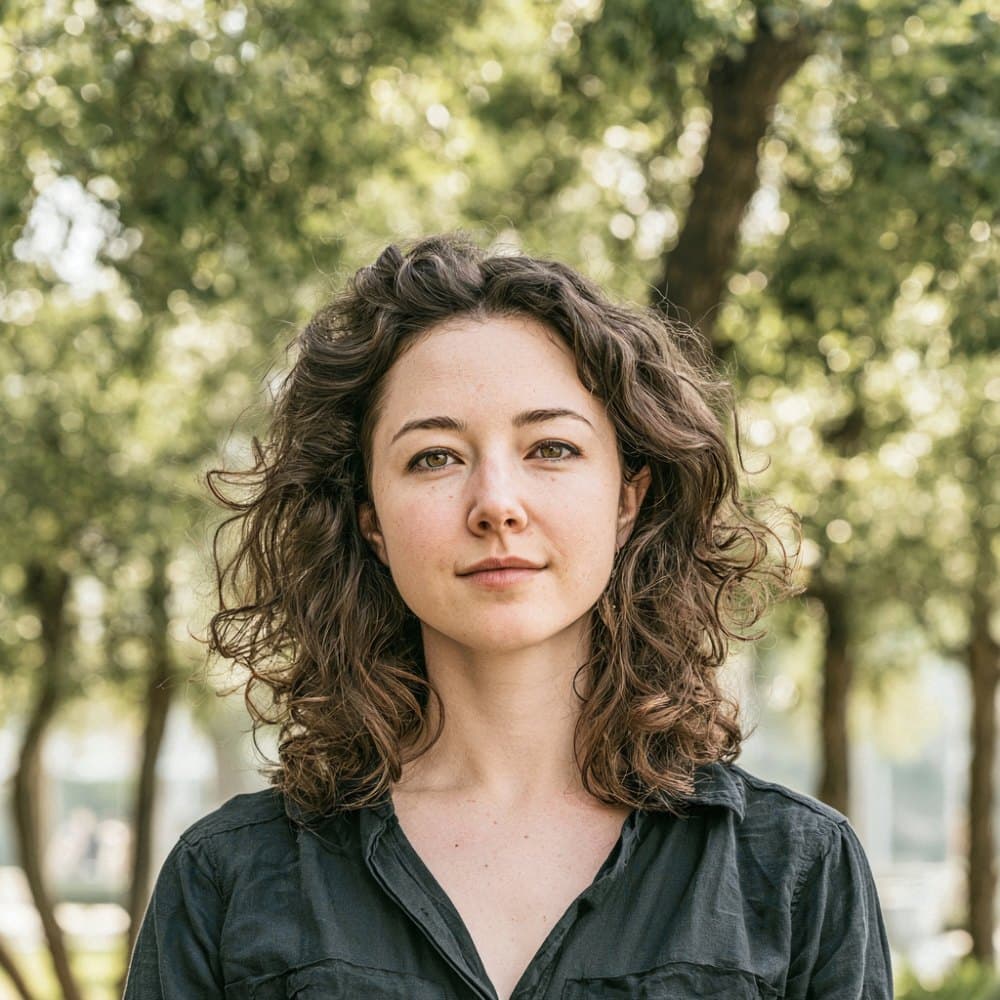
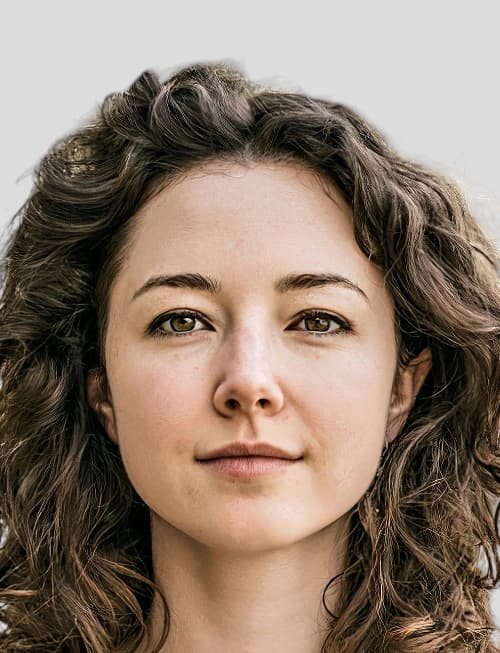
Finland visa photos under the Police of Finland standard
Finland runs a single photo standard set by the Police of Finland (Poliisi) and applied across every visa pathway. The Ministry for Foreign Affairs uses it for Schengen C-visas, the Finnish Immigration Service (Migri) uses it for national D-visas and residence permits, and the same specification also governs Finnish passports. The defining trait is the 36×47 mm print size, which is deliberately larger than the generic 35×45 mm Schengen crop produced by most off-the-shelf tools.
Submission channels are split by visa type. Schengen C-visa applicants book through finlandvisa.fi and submit their printed photo in person at a VFS Global visa application centre, where live biometrics are also captured for VIS. D-visa and residence permit applicants upload a digital file through the Enter Finland portal, which is wired directly into a Police backend that rejects any image that is not exactly 500×653 pixels. Migri additionally checks new submissions against prior applications, so a previously used photo will not pass.
Enforcement is strict at both the file level and the visual level. A non-compliant photo causes the application to be returned or delayed, and at a VFS counter a print at the wrong size will simply not be accepted. The rules that follow describe how the subject must appear in the final image so the photo clears Poliisi review on the first attempt.
What the Police of Finland requires in your visa photo
The Police of Finland sets a single photo standard used by Migri and the Ministry for Foreign Affairs. The rules below cover how you must appear in the final image.
Expression & pose
- Neutral expressionThe face must carry a neutral expression with the mouth closed. Teeth must not be visible and smiling is not accepted.
- Eyes open and visibleBoth eyes must be open and looking directly at the camera. Squinting is not permitted and both irises must be clearly visible.
- Head straightThe head must be held straight, with no tilt sideways, forward, or backward. The face and eyes must point directly at the camera.
- Shoulders squareShoulders must face the camera squarely. Over-the-shoulder or three-quarter portrait poses are rejected.
- No red-eyeRed-eye is grounds for rejection by the Police of Finland and must not appear in the submitted image.
Eyewear & lenses
- Clear glasses onlyTinted glasses and eyepatches are accepted only on documented medical grounds. The Police of Finland recommends removing eyewear whenever possible.
- Frames must not obstructFrames must not cover any part of the eyes, and thick frames are discouraged. The eyes and irises must remain fully visible.
- No lens reflectionsReflections or glare on the lenses are not accepted. Lenses must be transparent so the eyes can be examined.
Hair & face visibility
- Face unobstructedHair must not fall across the face or cover the eyes, eyebrows, or facial features. The full face from chin to forehead must be visible.
- No facial shadowsHair must not cast shadows onto the face. The Police of Finland rejects photos where hair creates dark areas around the eyes or cheeks.
- EarsBoth ears do not need to be visible. One ear may sit behind the hair without causing rejection.
Headwear
- Generally not allowedHeadwear is prohibited except for established religious or medical reasons. Hats, caps, and fashion headbands must be removed.
- Religious or medical coveringsWhen worn for religious or medical reasons, the head covering must leave the full face from chin to forehead visible and must not cast shadows on the face.
Cosmetics & jewelry
- Everyday makeup onlyCosmetics are permitted only if they do not make identification more difficult. Heavy makeup that alters facial features is not accepted.
- JewelryJewelry is permitted but must not obscure facial features or produce glare. Reflective pieces near the face should be removed.
Clothing
- Everyday attireOrdinary everyday clothing is required. Uniforms are not accepted, except for religious clothing that is worn daily.
- Contrast with backgroundClothing should provide visible contrast against the light grey background so the head and shoulders are clearly defined.
Dimensions, resolution & background.
Head position & camera distance.
- Head height, measured from the bottom of the chin to the top of the head, must be between 33 mm and 37 mm (roughly 71–78% of the photo height).
- Eyes must sit between 21 mm and 26 mm from the bottom of the photo.
- The head must be centered horizontally in the frame with a small symmetrical margin on each side.
- Both shoulders must be square to the camera and visible. Three-quarter angles or rotated torsos are not accepted.
- The full face from chin to crown must be inside the frame with proper top margin.
How recent the photo must be.
Your visa photo must have been taken within the last six months. A new photo is required sooner whenever your appearance has changed in a way that makes the old photo no longer recognizable.
You need a new photo if you’ve had…
- Facial surgery or a major change to facial structure
- A significant gain or loss of weight that visibly changes your face
- Large facial tattoos or piercings added or removed
- A gender transition that has changed your appearance
You do not need a new photo just because of…
- A new hair color
- Growing or removing a beard or moustache
- Ordinary, minor aging
- A new hairstyle that still leaves the face fully visible
Photos for infants and young children.
The Police of Finland relaxes a small number of rules for the youngest applicants.
Infants (under 1 year)
Babies under one year cannot be expected to meet the adult pose and expression rules. The Police of Finland accepts the following accommodations.
- ExpressionThe mouth may be slightly open. A neutral expression is not required for infants under one year.
- EyesEyes should be open whenever possible. A photo with closed eyes is tolerated only when a compliant image is genuinely impossible to obtain.
- Head positionSmall deviations in head tilt and orientation are accepted for infants who cannot yet hold their head steady.
- No parent in frameA parent or guardian must not appear in the photo. Hands or arms supporting the infant must not be visible.
Other things to know.
A few details of Finland’s visa-photo regime catch applicants off guard.
The 36×47 mm size trap
Finland enforces a 36 by 47 mm print size, not the generic 35 by 45 mm Schengen size used by most other member states. Photos cropped to the standard Schengen template will be rejected at the Finnish embassy or VFS counter.
No photo reuse across applications
Migri checks each submission against prior applications in its case management system and rejects photos that have already been used. A fresh photo, taken within the past six months, is required for every new application.
Unified standard across documents
The same Police of Finland specification governs Schengen C-visas, national D-visas, residence permits, and Finnish passports. A photo prepared for one of these can be used for any of the others within its six-month validity window.
VFS Global is the visa channel
Schengen visa applications are submitted in person through VFS Global, the exclusive partner for Finland worldwide. Biometric capture is performed on-site in addition to the printed photo attached to the application.
Take your Finland visa photo at home in three steps.
Plus a human layer. Your files are ready the moment the automatic checks pass — and a real passport-photo specialist also reviews each one, usually within minutes, touching up small issues or flagging anything that needs your attention.
Free to check, and reviewed by a real expert. You only pay when you keep it.
Print-quality requirements for in-person submissions.
When you submit a printed photo at a visa application centre, the paper, finish, and ink all matter. The points below cover the standards most consular missions accept.
- Print on photographic-quality paper at 353 DPI minimum.
- Use a matte or semi-gloss finish; high-gloss can produce reflections that confuse biometric scanners.
- Do not retouch, crop, or alter the photo after printing.
- Bring at least two identical prints when the submission channel calls for paper photos.