
Cabo Verde visa photo rules from the MNEC consular network
Cabo Verde’s visa photo standard is set by the Ministério dos Negócios Estrangeiros, Cooperação e Comunidades (MNEC) and applied through its embassies and consulates worldwide. MNEC does not publish a single national millimeter standard, so each consulate defers to its host country’s passport-photo norm. The 35×45 mm format is the size used by the majority of Cabo Verdean consulates in Europe and Africa, while missions in North America accept the 51×51 mm (2×2 in) print.
Photo submission only applies through the consular channel, which covers long-stay, work, study, and residence visa categories. The EASE online portal at ease.gov.cv collects passport data and does not accept or require a photo upload, and travellers eligible for visa on arrival have their biometrics captured live by the Polícia Nacional at the border. A printed photograph is therefore submitted in person or by mail directly to the embassy or consulate handling the application, with no VFS Global or third-party intake centre involved.
MNEC requires the photograph to be a recent, true likeness taken within the last six months, with no digital alteration of facial features. Photos that fail the consular check are returned with the file, and the application is held until a compliant print is supplied, which can add weeks to a long-stay visa decision.
Cabo Verde visa photo requirements
The MNEC and its consulates apply a strict ICAO-style standard to long-stay visa photos. The rules below cover how the applicant must appear in the frame.
Expression & pose
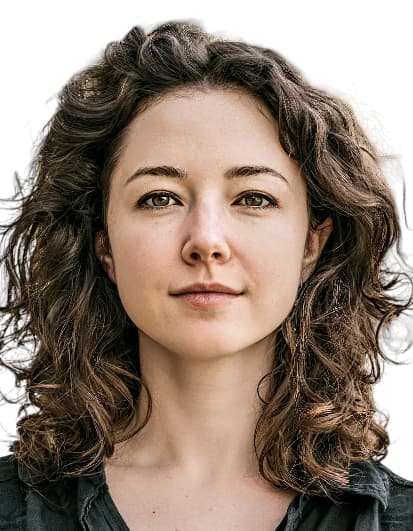
- Neutral expressionThe applicant must hold a neutral expression with the mouth closed. Smiling, laughing, frowning, and visible teeth are not accepted.
- Eyes open and visibleBoth eyes must be fully open and looking straight at the camera. Hair, frames, and reflections must not obscure either eye.
- Head square to cameraThe face must be turned directly toward the camera with no tilt, turn, or roll. Both ears and both cheeks should appear in equal proportion.
- Shoulders levelShoulders must be square to the camera and relaxed. The neck and upper shoulders should be visible.
Eyewear & lenses
- Prescription glassesClear prescription lenses are permitted only when there is no glare, no reflection, and no part of the eye is obscured by the frame. Removing glasses before the photo is taken is strongly recommended to reduce the risk of rejection.
- Tinted and sunglassesTinted lenses, photochromic lenses, and sunglasses are not accepted under any circumstances.
- Heavy framesThick frames that cross the eyes or sit over the eyebrows are not accepted.
Hair & facial hair
- Hair off the faceHair must not fall across the eyes or obscure the edges of the face. The full outline of the face from chin to forehead must be visible.
Headwear
- General ruleHats, caps, and other headwear are not accepted. The full face from chin to forehead and both edges of the face must remain visible.
- Religious or medical exceptionHead coverings worn daily for documented religious or medical reasons are permitted, provided they do not cast shadows on the face and the full facial oval remains clear.
Jewelry & accessories
- Discreet jewelry onlyEarrings, nose studs, and similar pieces are tolerated only if they are small and do not distract from the facial features. Large or reflective items are not accepted.
- Face coveringsMasks, scarves, and any accessory that covers part of the face or jawline are not accepted.
Cosmetics
- Natural appearanceMakeup must be light and must not alter the natural shape, tone, or contours of the face. Heavy contouring, dramatic eye makeup, and cosmetic effects that change the applicant’s appearance are not accepted.
Clothing
- Everyday clothingOrdinary street clothing is required. Uniforms are not accepted, with the exception of garments worn daily for religious reasons.
- Contrast with backgroundClothing should contrast clearly with the plain white background. White or very light tops can blend into the backdrop and cause rejection.
Photo recency
- Taken within six monthsThe photo must have been taken within the last six months and must reflect the applicant’s current appearance. A new photo is required after significant changes such as weight change, facial surgery, or new visible piercings or tattoos.
Dimensions, resolution & background.
Head position & camera distance.
- Head height, measured from the bottom of the chin to the top of the head, must be between 32 mm and 36 mm (roughly 71–80% of the photo height).
- Eyes must sit between 28 mm and 35 mm from the bottom of the photo.
- The head must be centered horizontally in the frame with a small symmetrical margin on each side.
- Both shoulders must be square to the camera and visible. Three-quarter angles or rotated torsos are not accepted.
- The full face from chin to crown must be inside the frame with proper top margin.
How recent the photo must be.
Your visa photo must have been taken within the last six months. A new photo is required sooner whenever your appearance has changed in a way that makes the old photo no longer recognizable.
You need a new photo if you’ve had…
- Facial surgery or a major change to facial structure
- A significant gain or loss of weight that visibly changes your face
- Large facial tattoos or piercings added or removed
- A gender transition that has changed your appearance
You do not need a new photo just because of…
- A new hair color
- Growing or removing a beard or moustache
- Ordinary, minor aging
- A new hairstyle that still leaves the face fully visible
Photos for infants and young children.
The MNEC relaxes some expression and pose rules for the youngest applicants, recognising that infants cannot pose on cue.
Infants (under 12 months)
Cabo Verdean consulates accept a more forgiving frame for babies, but the photo must still show the infant alone with a clear view of the face.
- ExpressionA neutral expression is not required. The infant’s mouth may be open and the expression may be relaxed.
- EyesThe eyes do not need to be fully open, but the face must be clearly visible and directed roughly toward the camera.
- Pose toleranceMinor head tilt and turn are tolerated. The face should still be presented as close to frontal as the child allows.
- No hands or supporting personsNo parent, hand, prop, toy, or supporting arm may appear in the frame. The infant must be photographed lying on a plain white surface or otherwise isolated against a plain background.
Other things to know.
A few features of the Cabo Verdean visa process are unusual and worth flagging before applicants prepare a photo.
No e-visa photo upload
The EASE portal at ease.gov.cv collects passport data only and has no photo-upload step. Applicants travelling under the short-stay pre-registration route do not submit a photo at all; identity is captured biometrically at the border on arrival.
Printed photo for long-stay only
A physical printed photo is required only for long-stay categories filed at a consulate: work, study, residence, and similar permits. Tourists eligible for EASE pre-registration or visa on arrival do not need to provide one.
Consulate sets the print size
The MNEC does not publish a single national millimetre standard, so each consulate applies the passport-photo size used by its host country. Most European and African consulates accept 35 by 45 mm, while the Embassy of Cabo Verde in Washington D.C. and other North American posts require 2 by 2 inches (51 by 51 mm). File at the consulate matching your country of residence.
Consular channel only
Cabo Verde does not use VFS Global, BLS, or TLS Contact for inbound visas. Long-stay applications are submitted directly to an embassy or consulate by walk-in or post, with no third-party visa application centre involved.
Take your Cabo Verde visa photo at home in three steps.
Plus a human layer. Your files are ready the moment the automatic checks pass — and a real passport-photo specialist also reviews each one, usually within minutes, touching up small issues or flagging anything that needs your attention.
Free to check, and reviewed by a real expert. You only pay when you keep it.
Print-quality requirements for in-person submissions.
When you submit a printed photo at a visa application centre, the paper, finish, and ink all matter. The points below cover the standards most consular missions accept.
- Print on photographic-quality paper at 300 DPI minimum.
- Use a matte or semi-gloss finish; high-gloss can produce reflections that confuse biometric scanners.
- Do not retouch, crop, or alter the photo after printing.
- Bring at least two identical prints when the submission channel calls for paper photos.