
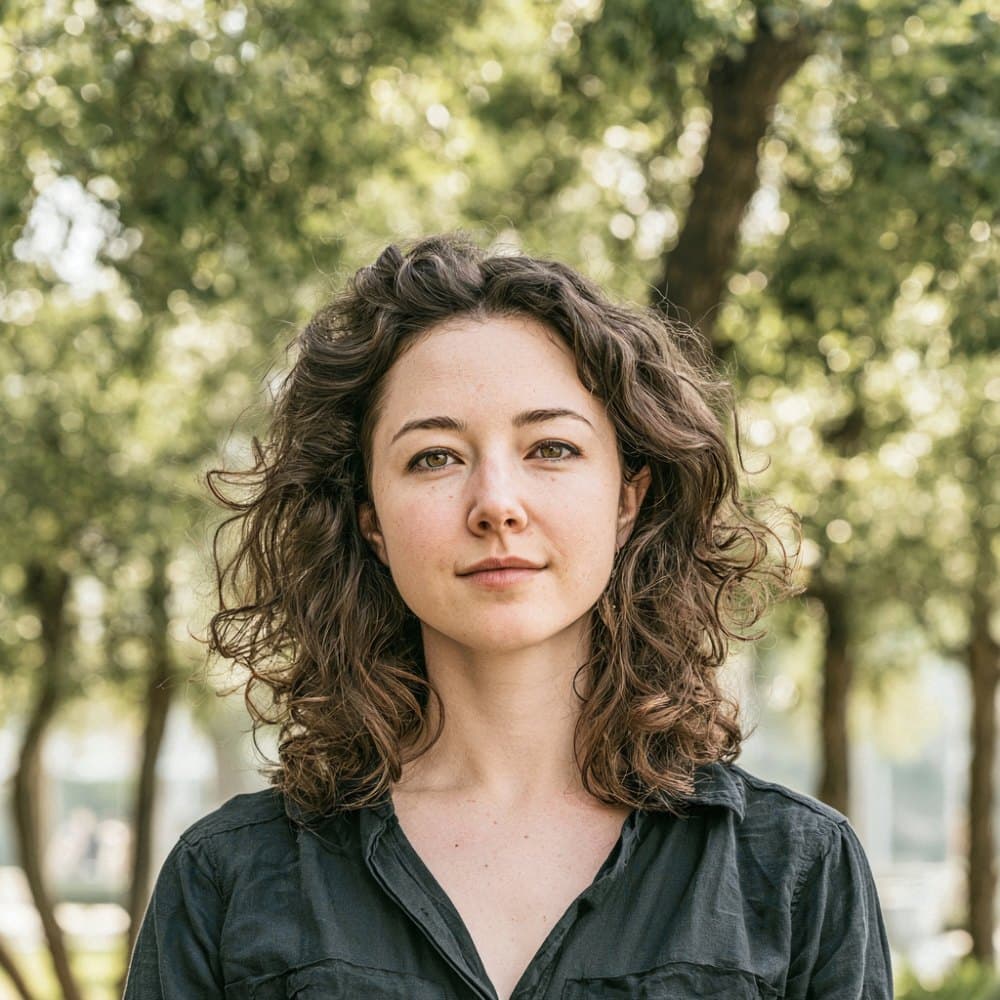
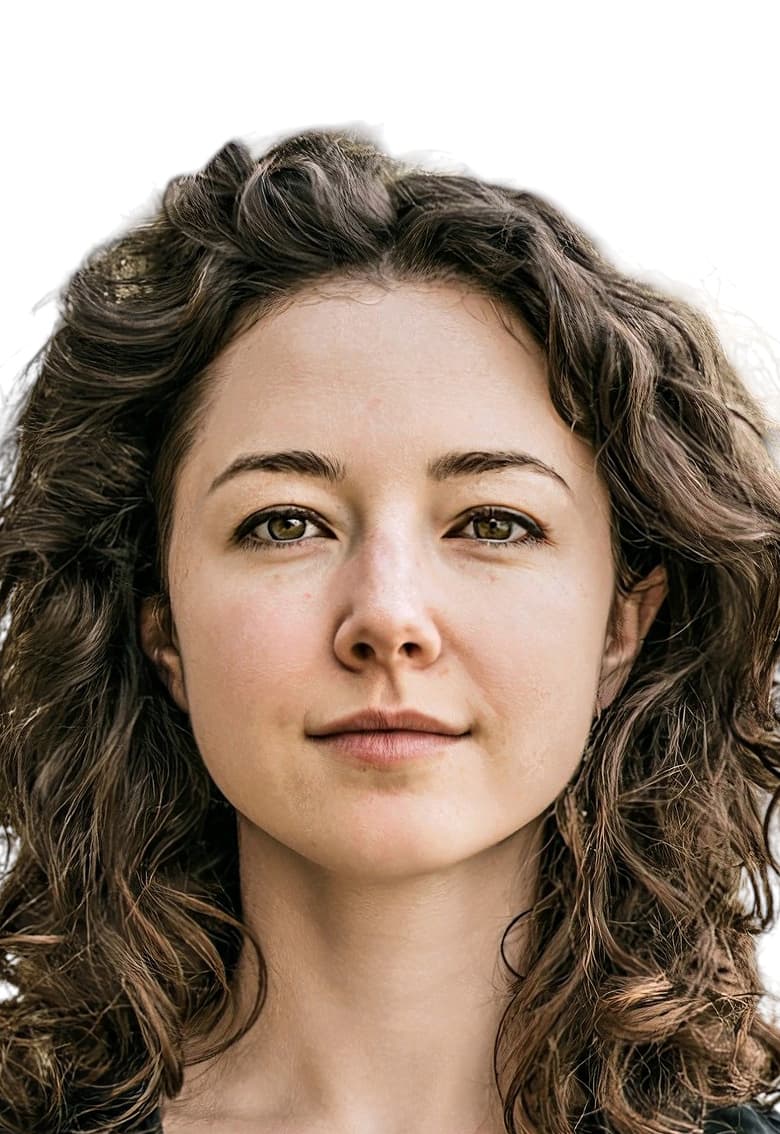
China visa photos issued under the Ministry of Foreign Affairs
China visa photographs are governed by the Ministry of Foreign Affairs (MFA) Consular Department, with implementation through Chinese embassies, consulates, and the Chinese Visa Application Service Center (CVASC). The same 33 mm by 48 mm biometric template applies across every standard mainland visa category, from L tourist visas to Z work visas, and applies equally to the digital file uploaded through COVA and the printed copy handed in at the counter.
Submission runs through two channels in parallel. The COVA online portal (consular.mfa.gov.cn/VISA) auto-validates the digital photo before the application can be submitted, and most CVASC jurisdictions then require a matching glossy print at the in-person appointment. A handful of jurisdictions, including New Delhi, require two prints rather than one. Photos must have been taken within the last six months.
Enforcement is strict at both stages. COVA hard-rejects files that fall outside its accepted parameters, and CVASC intake staff physically inspect prints against the uploaded image. Non-compliant photos result in rejection at upload, return of the application at the counter, or delays deeper in processing, so getting the photo right before submission is the difference between a smooth appointment and a wasted trip.
What the Chinese MFA expects to see in your visa photo
The Ministry of Foreign Affairs and CVASC enforce these subject-side rules strictly. The COVA portal auto-rejects uploads that miss them, and CVASC staff re-check the printed copy at intake.
Expression & pose
- Neutral expressionKeep a relaxed, neutral expression. No smiling, frowning, laughing, or raised eyebrows.
- Mouth closedThe mouth must be closed with no teeth visible.
- Eyes open and forwardBoth eyes must be open, clearly visible, and looking straight at the camera. No red-eye.
- Head straight to cameraFace the camera squarely with a full frontal view. The MFA caps yaw at 20° and pitch at 25°, but consular practice expects the head essentially level.
- Shoulders squareShoulders should be square to the camera with a small portion visible at the bottom of the frame.
Eyewear & lenses
- EyeglassesGlasses are officially permitted only if the lenses are clear, free of glare, and the frames are thin and do not obscure the eyes. Chinese consulates strongly recommend removing glasses entirely.
- Tinted lensesSunglasses, tinted lenses, and coloured contact lenses are not accepted.
Hair & ears
- Ears fully visibleBoth ears must be fully visible in the photo. Hair must be tucked behind the ears. Hidden ears are one of the most frequent causes of CVASC rejection.
- No forehead bangsHair must not cover the forehead, eyebrows, or eyes. Bangs that fall across the forehead trigger automated COVA rejection.
- Hair off the faceThe full outline of the face, from hairline to chin, must be unobstructed.
Headwear
- No hats or capsHeadwear is prohibited except where worn daily for religious or medical reasons. Where permitted, it must not obscure any part of the face or cast shadows.
Jewelry & accessories
- Large jewelryOversized earrings, necklaces, or accessories that obscure the ears, jawline, or neckline are rejected by CVASC reviewers. Small, flat pieces are tolerated.
Cosmetics
- Natural appearanceMakeup must result in a natural skin tone. Heavy or beautifying makeup that alters facial features risks rejection.
Clothing
- No white or near-white topsWhite and near-white clothing is explicitly forbidden because it blends into the white background and causes framing errors. Wear a dark or mid-tone top.
- Avoid high necklinesTurtlenecks and other tops that cover the jawline can cause CVASC to flag the framing. Choose a neckline that leaves the jaw and neck visible.
Photo quality
- No facial shadowsShadows on the face or neck are not accepted. This includes shadows cast by hat brims, hair, or strong side-lighting on the subject.
- Photo recencyThe photo must have been taken within the last six months. A new photo is required after significant changes in appearance, such as new facial hair or a major hairstyle change.
- No retouchingBeauty filters, skin smoothing, and feature reshaping are prohibited. The face in the photo must match the applicant’s current appearance.
Dimensions, resolution & background.
Head position & camera distance.
- Head height, measured from the bottom of the chin to the top of the head, must be between 30 mm and 33 mm (roughly 62–69% of the photo height).
- Eyes must sit between 23 mm and 28 mm from the bottom of the photo.
- The head must be centered horizontally in the frame with a small symmetrical margin on each side.
- Both shoulders must be square to the camera and visible. Three-quarter angles or rotated torsos are not accepted.
- The full face from chin to crown must be inside the frame with proper top margin.
China accepts more than one size — we generate them all.
China publishes more than one acceptable format depending on where you submit your application — domestic passport offices, the official online portal, and regional consulates abroad can each call for a different print or pixel size. We render every variant below from the same source photo, so the head sits at the same physical position across files, and each one arrives in your order email with a clear filename indicating which submission channel it's for.
China Visa 33×48 mm
Primary specChina's recommended print format — accepted at most in-country submissions and the default we render first.
China Visa 354×472 px — online
Digital uploadPixel-exact format required by the official online portal upload.
How recent the photo must be.
Your visa photo must have been taken within the last six months. A new photo is required sooner whenever your appearance has changed in a way that makes the old photo no longer recognizable.
You need a new photo if you’ve had…
- Facial surgery or a major change to facial structure
- A significant gain or loss of weight that visibly changes your face
- Large facial tattoos or piercings added or removed
- A gender transition that has changed your appearance
You do not need a new photo just because of…
- A new hair color
- Growing or removing a beard or moustache
- Ordinary, minor aging
- A new hairstyle that still leaves the face fully visible
Other things to know.
A few details about the Chinese visa channel catch applicants off guard.
COVA upload plus physical print
In CVASC jurisdictions, a digital upload through the COVA portal is not a substitute for the printed photo. Applicants must also bring one glossy 33×48 mm print to the in-person appointment, and CVASC staff check that the print matches the uploaded image.
Glossy paper only
Printed visa photos must be on glossy photo paper. Matte and plain paper prints are rejected at CVASC intake.
New Delhi requires two prints
Most jurisdictions accept a single printed copy, but CVASC India (New Delhi) requires two identical prints. Check the local CVASC checklist before your appointment.
On-arrival categories skip the photo
Applicants using 144/72-hour transit without visa, Hainan visa-free entry, or port visas at Shenzhen or Zhuhai do not submit a photo in advance. Biometric capture is handled by the National Immigration Administration on arrival.
Take your China visa photo at home in three steps.
Plus a human layer. Your files are ready the moment the automatic checks pass — and a real passport-photo specialist also reviews each one, usually within minutes, touching up small issues or flagging anything that needs your attention.
Free to check, and reviewed by a real expert. You only pay when you keep it.
Print-quality requirements for in-person submissions.
When you submit a printed photo at a visa application centre, the paper, finish, and ink all matter. The points below cover the standards most consular missions accept.
- Print on photographic-quality paper at 300 DPI minimum.
- Use a matte or semi-gloss finish; high-gloss can produce reflections that confuse biometric scanners.
- Do not retouch, crop, or alter the photo after printing.
- Bring at least two identical prints when the submission channel calls for paper photos.