
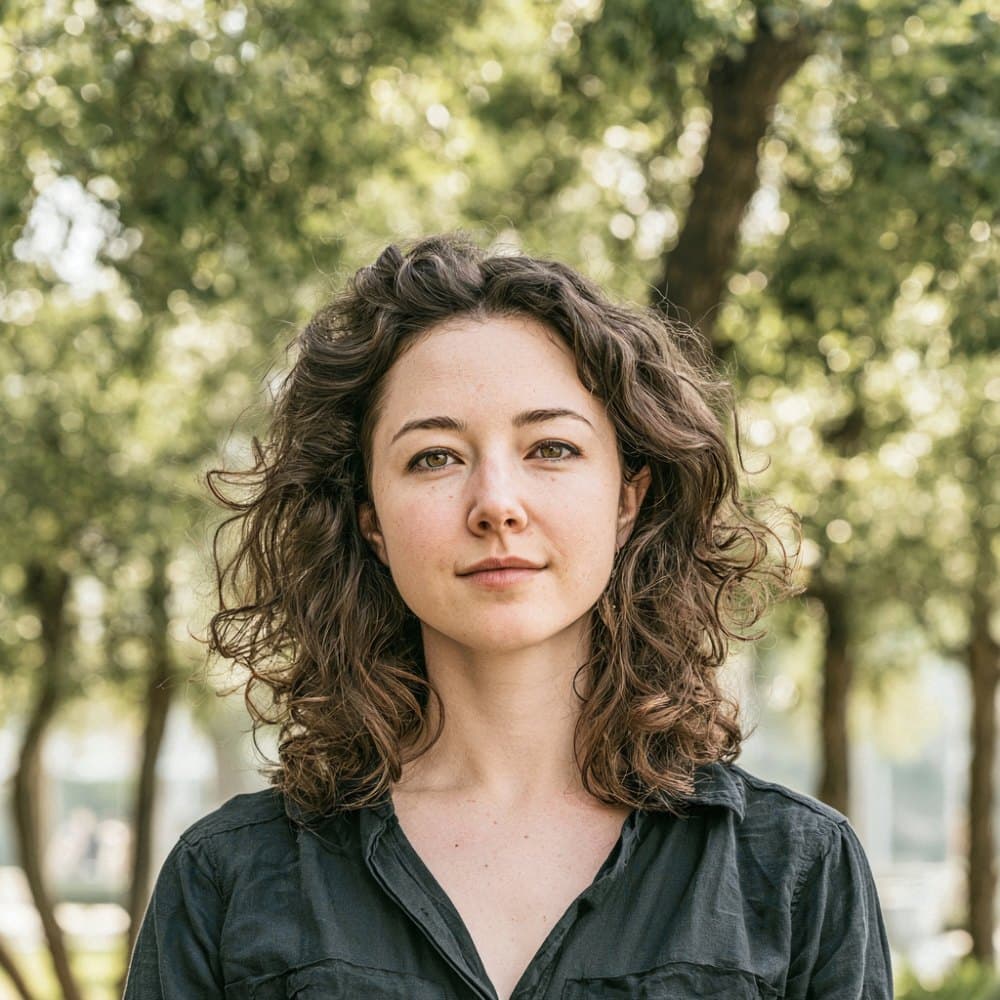

Chile’s visa photo rules under MINREL and SERMIG
Chile’s visa photo standard is set by the Ministerio de Relaciones Exteriores (MINREL) for short-stay visas under Permanencia Transitoria, and by the Servicio Nacional de Migraciones (SERMIG) for Residencia Temporal and Residencia Definitiva. MINREL publishes a square 50 by 50 mm color photo as the canonical format, while SERMIG accepts a chest-up portrait uploaded as JPG or PNG up to 2 MB. Both authorities require a plain white background, a neutral expression, and a direct gaze at the camera.
Submissions are digital-first. Short-stay applicants upload through the consular portal at tramites.minrel.gov.cl, and residence applicants upload through tramites.serviciomigraciones.cl using ClaveÚnica. Chile does not contract a third-party visa application centre, so the photo is reviewed at the portal-upload stage and again by the consular officer before the Estampado Electrónico is issued as a PDF.
MINREL and SERMIG both prohibit glasses, hats, and scarves in the image, and SERMIG explicitly forbids filters or other modifications to the photograph. A photo that fails these subject-side rules will be rejected at upload or returned during review, delaying the visa decision and forcing the applicant to resubmit before the file can move forward.
What Chile requires in your visa photo
MINREL and SERMIG converge on a tight set of subject-side rules. Get these right and the rest is on us.
Expression & pose
- Neutral expressionSERMIG requires a neutral expression with the mouth closed. Avoid smiling, frowning, or any exaggerated facial movement.
- Eyes open and visibleBoth eyes must be open and looking directly at the camera. Squinting or closed eyes are not accepted.
- Face the cameraThe full face must be square to the camera. Tilted, turned, or three-quarter poses are rejected under the ’rostro completo’ rule.
Eyewear & lenses
- No glassesBoth MINREL and SERMIG explicitly prohibit eyeglasses, including clear prescription frames. Tinted lenses and sunglasses are also not permitted. Religious or medical exceptions are not codified.
Headwear
- No hats or capsHats, caps, and any head coverings are prohibited. Chilean authorities do not publish religious or medical exemptions.
- No scarvesScarves and pañuelos covering the head or neck are explicitly disallowed by SERMIG.
Hair
- Face must remain visibleHair must not fall across the eyes or obscure the outline of the face. Tuck long fringes behind the ears or off the forehead so the full face is unobstructed.
Clothing
- Everyday clothingWear ordinary street clothing. Uniforms and camouflage are discouraged in practice, and plain white tops are best avoided so the shoulders read clearly against the white background.
Photo quality
- No shadows on the faceSERMIG explicitly rejects photos with shadows, glare, or reflections on the subject. Stand in even ambient light so no harsh shadow falls across one side of the face.
- No motion blurThe subject must be still and sharply in focus. Movement-induced blur from the applicant is a rejection trigger.
Dimensions, resolution & background.
Head position & camera distance.
- Head height, measured from the bottom of the chin to the top of the head, must be between 32 mm and 36 mm (roughly 65–71% of the photo height).
- Eyes must sit between 25 mm and 30 mm from the bottom of the photo.
- The head must be centered horizontally in the frame with a small symmetrical margin on each side.
- Both shoulders must be square to the camera and visible. Three-quarter angles or rotated torsos are not accepted.
- The full face from chin to crown must be inside the frame with proper top margin.
Chile accepts more than one size — we generate them all.
Chile publishes more than one acceptable format depending on where you submit your application — domestic passport offices, the official online portal, and regional consulates abroad can each call for a different print or pixel size. We render every variant below from the same source photo, so the head sits at the same physical position across files, and each one arrives in your order email with a clear filename indicating which submission channel it's for.
Chile Visa 50×50 mm
Primary · Print + DigitalChile's official format — the same file works for both printed in-person submissions and the online portal upload.
Chile Visa 20×30 mm
Consular printSized for Chile's e-Visa online application.
How recent the photo must be.
Your visa photo must have been taken within the last six months. A new photo is required sooner whenever your appearance has changed in a way that makes the old photo no longer recognizable.
You need a new photo if you’ve had…
- Facial surgery or a major change to facial structure
- A significant gain or loss of weight that visibly changes your face
- Large facial tattoos or piercings added or removed
- A gender transition that has changed your appearance
You do not need a new photo just because of…
- A new hair color
- Growing or removing a beard or moustache
- Ordinary, minor aging
- A new hairstyle that still leaves the face fully visible
Other things to know.
A few features of Chile’s visa-photo regime catch applicants off guard.
Two parallel tracks
Chile splits its visa photo rules between MINREL (short-stay Permanencia Transitoria, 50x50 mm square) and SERMIG (Residencia Temporal and Definitiva, chest-up digital portrait). Use the format that matches the track you are applying through.
Square format, not rectangular
The MINREL short-stay standard is a 1:1 square, unlike the rectangular 35x45 mm convention used by many other countries. Photo studios that default to passport-rectangle prints must be told explicitly.
No VAC, digital-first intake
Chile does not use VFS, BLS, or TLScontact. Short-stay visas are submitted at tramites.minrel.gov.cl and residence permits at tramites.serviciomigraciones.cl. The visa is delivered as an Estampado Electrónico PDF.
Overseas consulate exceptions
A small number of Chilean consulates in Europe and the UK request a 45x35 mm printed photo at in-person interviews. This is a local accommodation, not the national rule. Check the specific consulate’s appointment instructions before printing.
Take your Chile visa photo at home in three steps.
Plus a human layer. Your files are ready the moment the automatic checks pass — and a real passport-photo specialist also reviews each one, usually within minutes, touching up small issues or flagging anything that needs your attention.
Free to check, and reviewed by a real expert. You only pay when you keep it.
Print-quality requirements for in-person submissions.
When you submit a printed photo at a visa application centre, the paper, finish, and ink all matter. The points below cover the standards most consular missions accept.
- Print on photographic-quality paper at 300 DPI minimum.
- Use a matte or semi-gloss finish; high-gloss can produce reflections that confuse biometric scanners.
- Do not retouch, crop, or alter the photo after printing.
- Bring at least two identical prints when the submission channel calls for paper photos.