

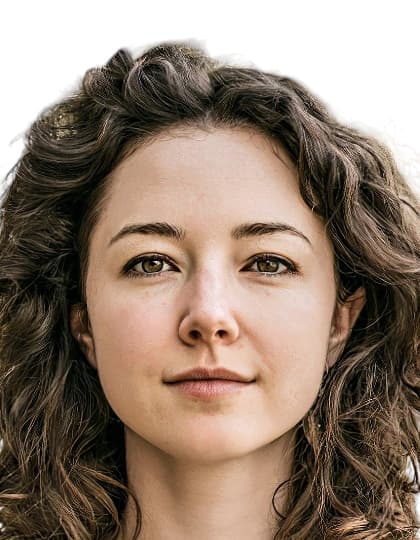
Canada visa photos and the IRCC Temporary Resident Visa standard
Immigration, Refugees and Citizenship Canada (IRCC) sets the photograph standard for every Temporary Resident Visa, covering visitor, study, and work permit applications. The Temporary Resident Visa format runs 35 by 45 mm, with the head sized from chin to crown at 31 to 36 mm. Permanent Resident applications use a separate 50 by 70 mm format under the same authority. The visa-issuing officer at the Canadian diplomatic mission holds final approval on the file, and the photograph travels with the application as part of that decision.
Submissions reach IRCC through three channels. The IRCC Portal accepts one digital JPEG for online Visitor, Study, and Work applications. Paper applications go through a Canada Visa Application Centre operated by VFS Global, or by mail, and require two identical printed photographs. Applicants aged 14 to 79 also give live biometrics on site at the VAC, and that captured image is what appears on the visa sticker. The eTA system does not require a photograph at all.
A photograph that does not meet the published IRCC specification is grounds for return of the application or refusal of the file. IRCC enforces the rules strictly, and the 2024 to 2026 guidance reaffirmed a complete prohibition on altered or filtered submissions. A compliant photo, taken within the last six months for a TRV or twelve months for PR, keeps the application moving without an avoidable rework.
Canada visa photo requirements at a glance
IRCC publishes a tight rulebook for Temporary Resident Visa photos. Here is what the subject must do in front of the camera so the photo clears review.
Expression & pose
- Neutral expressionThe mouth must be closed with no smile or frown. IRCC requires a neutral expression on TRV, study, and work permit photos.
- Eyes open and visibleBoth eyes must be open and clearly visible, with no hair falling across the eyes.
- Face square to cameraThe face and shoulders must be squared to the camera in a full frontal view. Tilting or turning the head is not accepted.
Eyewear & lenses
- Prescription glassesOnly clear, non-tinted prescription glasses are permitted. Frames must not cover any part of the eyes and lenses must be free of glare.
- Tinted lenses & sunglassesTinted glasses, transition lenses, and sunglasses are not accepted on Canadian visa photos. The passport relaxation for tinted lenses does not extend to visa applications.
Hair & face
- Hair off the faceHair must not cover the face or fall over the eyes. The full facial outline from chin to crown must be visible.
Headwear
- Religious or medical onlyHead coverings are permitted only when worn for religious or medical reasons. The covering must not obscure any facial features or cast shadows across the face.
Jewelry & cosmetics
- Everyday jewelryJewelry may be worn provided it does not disguise the applicant’s normal appearance or obscure facial features.
- MakeupLight, everyday cosmetics are acceptable. Heavy makeup that alters the applicant’s habitual appearance is not.
Clothing
- No uniformsUniforms and clothing resembling a uniform are not accepted, with the standard exception for religious dress worn daily.
- Colour contrastDarker clothing is recommended so the shoulders read clearly against the light background.
Photo quality
- No red-eyeRed-eye is grounds for rejection and cannot be corrected after capture, as IRCC prohibits retouching.
- Natural skin tonesSkin tones must look natural. Filters, beautification effects, and any form of digital alteration are explicitly prohibited.
Dimensions, resolution & background.
Head position & camera distance.
- Head height, measured from the bottom of the chin to the top of the head, must be between 33 mm and 36 mm (roughly 73–81% of the photo height).
- Eyes must sit between 21 mm and 25 mm from the bottom of the photo.
- The head must be centered horizontally in the frame with a small symmetrical margin on each side.
- Both shoulders must be square to the camera and visible. Three-quarter angles or rotated torsos are not accepted.
- The full face from chin to crown must be inside the frame with proper top margin.
Canada accepts more than one size — we generate them all.
Canada publishes more than one acceptable format depending on where you submit your application — domestic passport offices, the official online portal, and regional consulates abroad can each call for a different print or pixel size. We render every variant below from the same source photo, so the head sits at the same physical position across files, and each one arrives in your order email with a clear filename indicating which submission channel it's for.
Canada Visa 35×45 mm
Primary · Print + DigitalCanada's official format — the same file works for both printed in-person submissions and the online portal upload.
Canada Visa 1200×1680 px — Green Card
Digital uploadFormat used for US Green Card / Permanent Resident applications.
How recent the photo must be.
Your visa photo must have been taken within the last six months. A new photo is required sooner whenever your appearance has changed in a way that makes the old photo no longer recognizable.
You need a new photo if you’ve had…
- Facial surgery or a major change to facial structure
- A significant gain or loss of weight that visibly changes your face
- Large facial tattoos or piercings added or removed
- A gender transition that has changed your appearance
You do not need a new photo just because of…
- A new hair color
- Growing or removing a beard or moustache
- Ordinary, minor aging
- A new hairstyle that still leaves the face fully visible
Photos for infants and young children.
IRCC eases a small number of rules for the youngest applicants, since newborns cannot hold a pose or open their eyes on cue.
Infants (under 1 year)
Newborns and infants are held to a relaxed version of the expression and eye rules, but framing and background standards still apply.
- Expression and eyesNewborns may have their eyes closed and are not required to hold a neutral expression.
- Supporting the babyThe infant may be photographed lying on a plain white blanket or in a car seat draped with a white blanket behind the head. No hands, arms, or adult supporters may appear anywhere in the frame.
- Head positionThe face must still be square to the camera. Background and lighting requirements continue to apply.
Other things to know.
A few details about the Canadian visa channel catch applicants off guard.
eTA needs no photo
The Electronic Travel Authorization, Canada’s e-visa equivalent for visa-exempt travellers, does not require a photo upload. Only passport biographic data is collected.
Two print sizes
Temporary Resident Visa, study, and work permit applications use the 35x45 mm format. Permanent Resident applications use a larger 50x70 mm photo. The two formats are not interchangeable.
Back of the photo
For paper TRV submissions, the back of both prints must be left blank. Only the 50x70 mm Permanent Resident photo requires a photographer’s stamp and date on the reverse.
Biometrics at the VAC
Applicants aged 14 to 79 must give biometrics in person at a VFS Global Visa Application Centre. The live photo captured on site is what appears on the visa sticker, and it replaces the self-supplied photo for that purpose.
Take your Canada visa photo at home in three steps.
Plus a human layer. Your files are ready the moment the automatic checks pass — and a real passport-photo specialist also reviews each one, usually within minutes, touching up small issues or flagging anything that needs your attention.
Free to check, and reviewed by a real expert. You only pay when you keep it.
Print-quality requirements for in-person submissions.
When you submit a printed photo at a visa application centre, the paper, finish, and ink all matter. The points below cover the standards most consular missions accept.
- Print on photographic-quality paper at 300 DPI minimum.
- Use a matte or semi-gloss finish; high-gloss can produce reflections that confuse biometric scanners.
- Do not retouch, crop, or alter the photo after printing.
- Bring at least two identical prints when the submission channel calls for paper photos.