

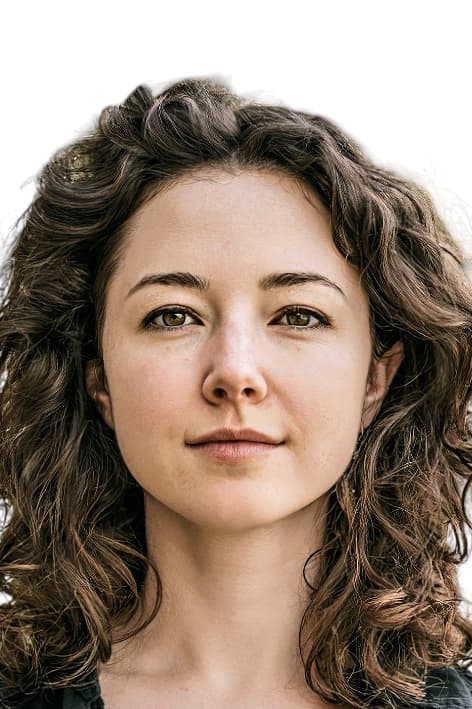
Bahrain visa photos and the NPRA standard
Bahrain’s visa photo rules are set by the Nationality, Passports and Residence Affairs (NPRA) directorate within the Ministry of Interior, and are enforced through the official eVisa portal at evisa.gov.bh. The same 40×60 mm photo covers tourist, business, family visit, transit, student, work, and residence applications, so a single compliant image is enough no matter which Bahrain visa is being filed.
Bahrain does not route inbound visas through a global VFS or BLS network. Tourist and business applicants upload directly to the eVisa portal, work and residence cases are filed at NPRA by a local sponsor, and applicants outside the eVisa scheme submit prints at a Bahraini embassy or consulate. Embassies abroad will, in practice, accept the applicant’s home-country passport size for walk-in and mail-in files, but the eVisa portal expects the 40×60 mm standard.
NPRA is flexible on millimetre tolerances and strict on subject-side rules: a pure white background, a neutral expression, and an unobstructed face are non-negotiable. A photo that misses these points is rejected at upload or returned by the consular officer, which delays the visa decision and forces the applicant to resubmit.
Bahrain visa photo requirements at a glance
The Nationality, Passports and Residence Affairs authority (NPRA) enforces a single photo standard across tourist, business, family visit, transit, student, and work or residence visa applications.
Expression & pose
- Neutral expressionAdopt a neutral face with no smile or frown. Teeth must not be visible.
- Mouth closedKeep the lips together and relaxed. An open mouth is grounds for rejection.
- Eyes open and visibleBoth eyes must be fully open and looking directly at the camera. Squinting or partially closed eyes are not accepted.
- Head straight onFace the camera squarely with no tilt, turn, or lean. Both edges of the face must be visible and the nose centered.
- Shoulders in frameThe top of the shoulders should appear in the photo so the head is presented in natural proportion.
Eyewear & lenses
- Clear prescription glassesNPRA permits glasses only when the lenses are fully clear, the frames do not cover any part of the eyes, and there are no reflections on the lenses.
- Tinted lenses prohibitedSunglasses, transition lenses that have darkened, and any coloured or tinted lenses are rejected.
- No flash glareReflections from the flash or ambient light on the lens surface will cause the photo to be refused.
Hair & forehead
- Face fully visibleHair must not fall across the eyes, eyebrows, or the outer edges of the face.
- Forehead not covered by bangsHeavy fringes or bangs that obscure the forehead are not allowed. Sweep hair clear of the brow line.
Headwear
- Religious or medical onlyNPRA accepts head coverings worn for religious or medical reasons. Hats, caps, and decorative head coverings are not permitted.
- Full face must showWhen religious or medical headwear is worn, the face must be fully visible from the bottom of the chin to the top of the forehead, with both edges of the face clear.
- No shadows from headwearThe covering must not cast a shadow on any part of the face.
Jewelry & accessories
- Face-obscuring itemsJewelry, piercings, or accessories that obscure any portion of the face are not allowed. Discreet items that leave the face fully visible are acceptable.
- Hearing aidsHearing aids and similar medical devices that are normally worn day to day may remain in place. Headphones and earbuds must be removed.
Cosmetics
- Natural appearanceMakeup must preserve the natural skin tone and facial features. Heavy cosmetics that alter or mask features will cause the photo to be rejected.
Clothing
- Everyday clothingWear ordinary day clothing. Uniforms are not permitted, with the exception of religious attire worn daily.
- Contrast with the backgroundChoose clothing that contrasts with a white background so the head and shoulders read clearly in the final print.
Dimensions, resolution & background.
Head position & camera distance.
- Head height, measured from the bottom of the chin to the top of the head, must be between 36 mm and 40 mm (roughly 60–66% of the photo height).
- Eyes must sit between 30 mm and 36 mm from the bottom of the photo.
- The head must be centered horizontally in the frame with a small symmetrical margin on each side.
- Both shoulders must be square to the camera and visible. Three-quarter angles or rotated torsos are not accepted.
- The full face from chin to crown must be inside the frame with proper top margin.
How recent the photo must be.
Your visa photo must have been taken within the last six months. A new photo is required sooner whenever your appearance has changed in a way that makes the old photo no longer recognizable.
You need a new photo if you’ve had…
- Facial surgery or a major change to facial structure
- A significant gain or loss of weight that visibly changes your face
- Large facial tattoos or piercings added or removed
- A gender transition that has changed your appearance
You do not need a new photo just because of…
- A new hair color
- Growing or removing a beard or moustache
- Ordinary, minor aging
- A new hairstyle that still leaves the face fully visible
Photos for infants and young children.
NPRA relaxes a small number of pose and expression rules for very young applicants. The white background and the one-person-per-photo rule still apply.
Infants (under 12 months)
Babies under one year are held to a relaxed standard for expression and gaze, recognising that they cannot follow instructions.
- Eyes need not be openInfants under one year are not required to have their eyes open in the photo.
- Expression not enforcedAny natural expression is accepted. A neutral face is not required.
- Hands must not appearIf a parent is supporting the head from behind, no hand, arm, or finger may be visible anywhere in the frame.
- Photographed aloneOnly the infant may appear in the photo. Toys, blankets, pacifiers, and other people are not permitted.
Other things to know.
A few Bahrain-specific points are worth knowing before submitting.
No global VAC network
Bahrain does not route inbound visa photos through VFS, BLS, or TLS. Applications are filed through the official eVisa portal, by a local sponsor at NPRA, or directly at a Bahraini embassy or consulate abroad.
Embassy size flexibility abroad
Bahraini embassies and consulates pragmatically accept the applicant’s home-country passport photo size at walk-in and mail-in counters. In the United States that means a 2 by 2 inch print, and in the United Kingdom and Schengen area it means a 35 by 45 mm print.
Six-month recency rule
The photo must have been taken within the last six months and must reflect the applicant’s current appearance. Older photos are refused even if they otherwise meet the spec.
2026 e-passport change does not apply
An NPRA announcement updated the photo size for Bahraini citizens’ e-passports to 32.5 by 43 mm. Foreign visa applications are unaffected and continue to use the 40 by 60 mm format on the eVisa portal.
Take your Bahrain visa photo at home in three steps.
Plus a human layer. Your files are ready the moment the automatic checks pass — and a real passport-photo specialist also reviews each one, usually within minutes, touching up small issues or flagging anything that needs your attention.
Free to check, and reviewed by a real expert. You only pay when you keep it.
Print-quality requirements for in-person submissions.
When you submit a printed photo at a visa application centre, the paper, finish, and ink all matter. The points below cover the standards most consular missions accept.
- Print on photographic-quality paper at 600 DPI minimum.
- Use a matte or semi-gloss finish; high-gloss can produce reflections that confuse biometric scanners.
- Do not retouch, crop, or alter the photo after printing.
- Bring at least two identical prints when the submission channel calls for paper photos.