
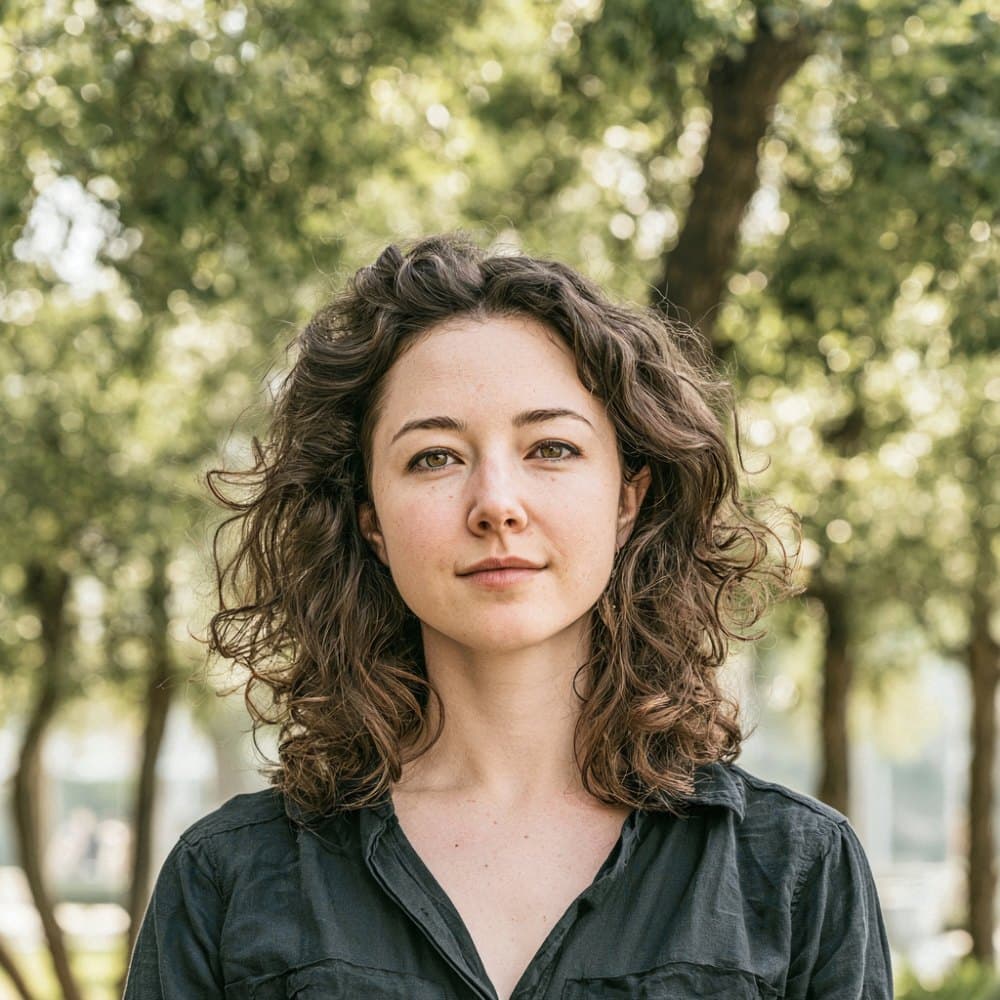
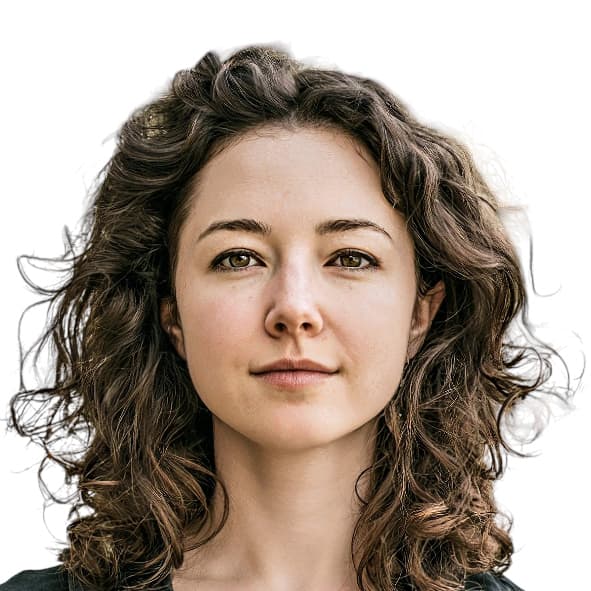
Barbados visa photos and the Immigration Department standard
The Barbados Immigration Department, working under the Ministry of Home Affairs and Information, sets the photo standard used for tourist, business, student, work, and transit visas. The visa requirement is written simply as a passport-sized photograph, and the figure consistently applied is 50 by 50 mm (2 by 2 inches), the same size used for the Barbadian passport. Both ears must be visible and the forehead must not be covered by hair, in line with the domestic biometric baseline.
There is no visa application centre network for Barbados and no VFS or BLS intake. Standard visa categories are filed on Form J with printed photographs, either at a Barbados High Commission, Embassy, or Consulate, or by mail to the Chief Immigration Officer in Bridgetown. The Barbados Welcome Stamp, the 12-month remote-work visa, is the one channel that accepts a digital upload, handled through the official Welcome Stamp portal. Many consular missions ask for two prints rather than one, so submitting two is the safer choice.
Reviewers at the consulate or in Bridgetown check each photograph by eye against the passport-size standard. A photo that crops the ears, hides the forehead, shows a non-neutral expression, or arrives creased or marked will see the application returned or held until a compliant replacement is supplied, which delays the visa decision and any planned travel.
What the Barbados Immigration Department requires in your visa photo
The Barbados Immigration Department inherits the domestic passport photo standard for visa applications. The rules below describe how the subject must appear in the final image.
Expression & pose
- Neutral expressionKeep a neutral expression with the mouth closed. Smiling, frowning, or showing teeth is not accepted.
- Eyes open and forwardBoth eyes must be open and looking directly at the camera. Squinting or a sideways glance will cause rejection.
- Full frontal alignmentFace the camera squarely with the head upright. Profile and three-quarter views are prohibited.
- Shoulders squareSquare the shoulders to the camera so the head sits centered above them, with no tilt or rotation.
Eyewear & lenses
- Sunglasses and tinted lensesSunglasses, dark glasses, and any tinted or transition lenses are prohibited.
- Prescription glassesPrescription glasses are accepted only if the eyes are fully visible with no glare on the lenses. Thick frames that obscure the eyes should be avoided.
Hair & ears
- Forehead must be visibleHair must not cover the forehead. Bangs or fringes that hide facial structure are not accepted.
- Face unobstructedHair must be arranged so it does not fall across the eyes, eyebrows, or sides of the face.
- Both ears visibleBoth ears must be clearly visible in the photo. Long hair should be tucked behind the ears.
Headwear
- General ruleHats, caps, and other headwear are not permitted in visa photos.
- Religious or medical exceptionHead coverings worn daily for religious or medical reasons are accepted only if the full face from chin to forehead is visible and the covering casts no shadow on the face.
Jewelry & cosmetics
- Modest jewelry onlySmall, discreet jewelry is acceptable. Avoid anything that obscures facial features or reflects light back into the lens.
- Natural cosmeticsEveryday makeup is fine. Theatrical makeup or anything that alters the natural appearance of the face is not accepted.
Clothing
- Everyday civilian clothingWear standard street clothing with the shoulders covered. Uniforms are not appropriate for a visa photo.
Photo recency
- Six-month ruleThe photograph must have been taken within the last six months and must reflect your current appearance.
Dimensions, resolution & background.
Head position & camera distance.
- Head height, measured from the bottom of the chin to the top of the head, must be between 32 mm and 36 mm (roughly 65–71% of the photo height).
- Eyes must sit between 25 mm and 31 mm from the bottom of the photo.
- The head must be centered horizontally in the frame with a small symmetrical margin on each side.
- Both shoulders must be square to the camera and visible. Three-quarter angles or rotated torsos are not accepted.
- The full face from chin to crown must be inside the frame with proper top margin.
How recent the photo must be.
Your visa photo must have been taken within the last six months. A new photo is required sooner whenever your appearance has changed in a way that makes the old photo no longer recognizable.
You need a new photo if you’ve had…
- Facial surgery or a major change to facial structure
- A significant gain or loss of weight that visibly changes your face
- Large facial tattoos or piercings added or removed
- A gender transition that has changed your appearance
You do not need a new photo just because of…
- A new hair color
- Growing or removing a beard or moustache
- Ordinary, minor aging
- A new hairstyle that still leaves the face fully visible
Other things to know.
A few Barbados-specific quirks are worth knowing before you submit.
No visa application centres
Barbados does not use VFS Global, BLS, or any other visa application centre network. Standard visa applications go directly to a Barbados High Commission, Embassy, or Consulate, or are mailed to the Chief Immigration Officer in Bridgetown.
Submit two prints, not one
Although Form J asks for a single photograph, multiple Barbados consular missions request two. Sending two identical prints with a mailed or consular application is the safe-harbor approach and avoids a return for missing materials.
Welcome Stamp upload channel
The Barbados Welcome Stamp, a twelve-month remote-work visa, is applied for online at barbadoswelcomestamp.bb and accepts a digital photo upload in JPEG or PNG up to 5 MB. The same 50 by 50 mm framing applies.
Arrival form needs no photo
The online Immigration and Customs Form (ED Card) at travelform.gov.bb requires no photo upload. It is the pre-arrival form for travelers and is separate from any visa application.
Take your Barbados visa photo at home in three steps.
Plus a human layer. Your files are ready the moment the automatic checks pass — and a real passport-photo specialist also reviews each one, usually within minutes, touching up small issues or flagging anything that needs your attention.
Free to check, and reviewed by a real expert. You only pay when you keep it.
Print-quality requirements for in-person submissions.
When you submit a printed photo at a visa application centre, the paper, finish, and ink all matter. The points below cover the standards most consular missions accept.
- Print on photographic-quality paper at 300 DPI minimum.
- Use a matte or semi-gloss finish; high-gloss can produce reflections that confuse biometric scanners.
- Do not retouch, crop, or alter the photo after printing.
- Bring at least two identical prints when the submission channel calls for paper photos.