

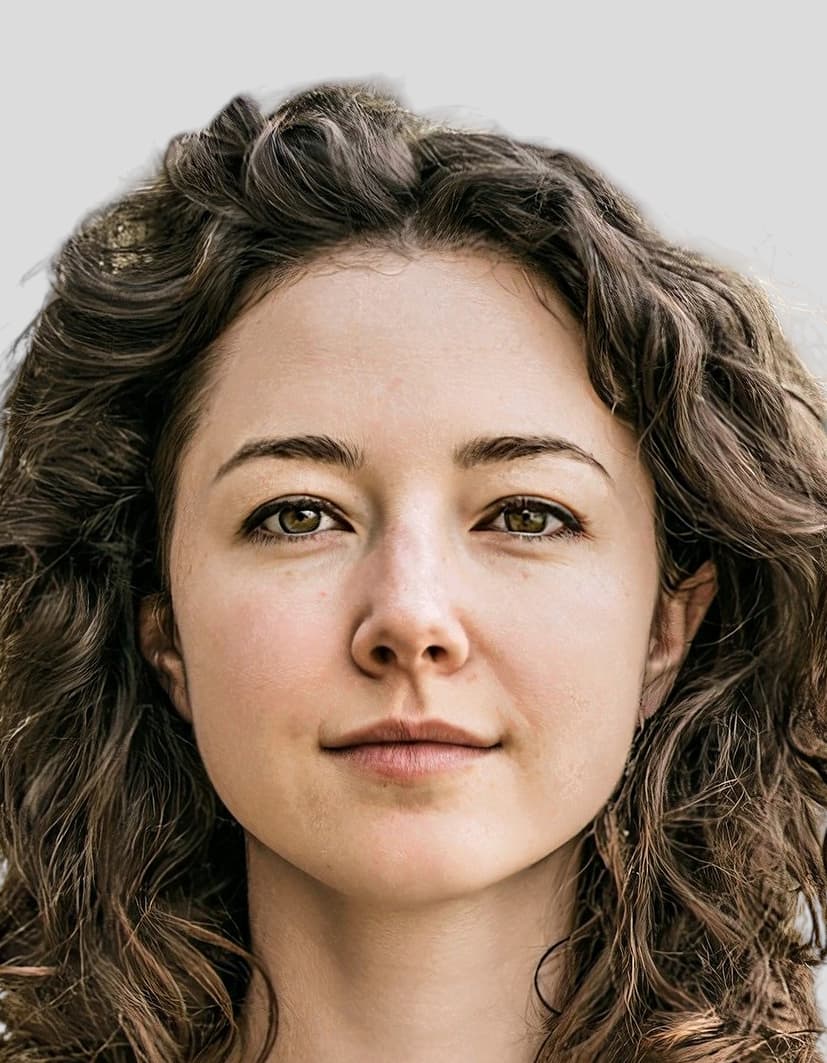
Austria visa photos follow the BMI Passbildkriterien
Austria applies a single national biometric photo standard, the Passbildkriterien published by the Federal Ministry of the Interior (BMI), to every visa category. The same 35×45 mm portrait covers airport transit (Type A), Schengen short-stay (Type C), national long-stay (Type D), and residence permits issued under the Settlement and Residence Act. Visas themselves are issued by Austrian representation offices under the BMEIA, with intake handled by VFS Global as the primary visa application centre operator.
There is no Austrian e-visa portal. Applicants attend an embassy, consulate, or VFS Global VAC in person, hand over two identical printed photos, and sit for on-site fingerprinting and a live facial capture for the Visa Information System. The printed photo is required in every channel and one copy is typically glued to the application form. On-site biometric capture supplements the print but does not replace it.
BMI compliance is enforced strictly. A photo that fails on expression, pose, eyewear, headwear, or recency (older than six months at the time of decision) is grounds for the application being returned or refused, which means another appointment slot and another set of prints. Producing a photo that meets the Passbildkriterien on the first attempt is the cleanest path through the process.
Austrian visa photo requirements at a glance
The Federal Ministry of the Interior (BMI) Passbildkriterien governs every Austrian visa photo. The rules below describe how the subject must appear in the final image.
Expression & pose
- Neutral expressionThe applicant must hold a neutral expression with the mouth closed and no teeth visible. Smiling, frowning, raised eyebrows, and squinting are not accepted.
- Eyes open and visibleEyes must be open, clearly visible, and looking directly at the camera. Red-eye is not permitted.
- Full frontal viewThe head must face the camera squarely with shoulders level. Half-profile portraits, tilted heads, and turned poses are rejected.
Eyewear & lenses
- EyeglassesGlasses should be removed for the photo. Austrian consulates and VFS Global intake apply a strict no-glasses standard, with narrow exceptions only for documented medical need.
- Sunglasses & tinted lensesSunglasses, tinted lenses, and any coloured or reflective coatings are prohibited. Lenses must never obscure the eyes.
Hair & facial hair
- Hair off the faceHair must not fall across the eyes, nose, or mouth. Bangs that cover the forehead or eyebrows are not accepted.
- EarsEars do not need to be visible under the BMI Passbildkriterien.
Headwear
- General ruleHats, caps, hoods, and decorative headwear are not allowed.
- Religious or medical coveringsReligious and medical head coverings are permitted only when the face is fully visible from the tip of the chin to the top of the forehead, with no shadows cast on the face.
Jewelry & cosmetics
- JewelryJewelry is permitted provided it does not obscure facial features or create reflections on the face.
- CosmeticsEveryday makeup is acceptable. Heavy cosmetics that alter the natural appearance of the face are not.
Clothing
- Everyday clothingOrdinary day clothing is accepted. Uniforms and clothing that blends into a light background should be avoided.
Photo quality
- Colour photo onlyColour photographs are mandatory for every Austrian visa, residence permit, and identity document. Black-and-white photographs are explicitly not accepted.
- RecencyThe photograph must be no older than six months at the time the decision is made on the application. A new photo is needed after a significant change in appearance.
- Print conditionPrints must be free of creases, scratches, smudges, stamp marks, and stains. Two identical prints are typically required, with one glued to the application form.
Dimensions, resolution & background.
Head position & camera distance.
- Head height, measured from the bottom of the chin to the top of the head, must be between 33 mm and 36 mm (roughly 73–81% of the photo height).
- Eyes must sit between 21 mm and 25 mm from the bottom of the photo.
- The head must be centered horizontally in the frame with a small symmetrical margin on each side.
- Both shoulders must be square to the camera and visible. Three-quarter angles or rotated torsos are not accepted.
- The full face from chin to crown must be inside the frame with proper top margin.
How recent the photo must be.
Your visa photo must have been taken within the last six months. A new photo is required sooner whenever your appearance has changed in a way that makes the old photo no longer recognizable.
You need a new photo if you’ve had…
- Facial surgery or a major change to facial structure
- A significant gain or loss of weight that visibly changes your face
- Large facial tattoos or piercings added or removed
- A gender transition that has changed your appearance
You do not need a new photo just because of…
- A new hair color
- Growing or removing a beard or moustache
- Ordinary, minor aging
- A new hairstyle that still leaves the face fully visible
Photos for infants and young children.
The BMI applies relaxed pose and expression rules for the youngest applicants. All other framing rules remain the same as for adults.
Infants (under 6 months)
Austria limits the eyes-closed exception to babies under six months, which is stricter than the general Schengen practice of allowing it up to one year.
- EyesEyes may be closed. Open eyes are still preferred when possible.
- Expression and gazeNeutral expression and direct gaze into the camera are not required at this age.
- Head positionThe head does not need to be perfectly centred, and minor tilt is tolerated.
- Subject alone in frameOnly the infant may appear in the photo. Supporting hands, arms, pillows, toys, and harnesses must not be visible.
Other things to know.
A few details of the Austrian process are worth flagging before you submit.
No e-visa channel
Austria does not operate an e-visa system. Every visa application goes through an Austrian embassy, consulate, or VFS Global visa application centre, and physical prints must be supplied even when biometrics are also captured live at the appointment.
Two prints, one glued
Two identical prints on smooth glossy photo paper are the safe default. One print is glued to the application form rather than stapled, so the photo must not be perforated or damaged at submission.
Glasses effectively banned
Although the written BMI text once allowed clear-lens glasses under strict conditions, Austrian consulates and VFS intake now reject photos with eyewear except for documented medical reasons. Submit without glasses.
Background colour preference
The BMI Passbildkriterien names light grey as the preferred background (medium grey for light hair, light grey for dark hair). White backgrounds are also accepted in practice at VFS Global.
Take your Austria visa photo at home in three steps.
Plus a human layer. Your files are ready the moment the automatic checks pass — and a real passport-photo specialist also reviews each one, usually within minutes, touching up small issues or flagging anything that needs your attention.
Free to check, and reviewed by a real expert. You only pay when you keep it.
Print-quality requirements for in-person submissions.
When you submit a printed photo at a visa application centre, the paper, finish, and ink all matter. The points below cover the standards most consular missions accept.
- Print on photographic-quality paper at 300 DPI minimum.
- Use a matte or semi-gloss finish; high-gloss can produce reflections that confuse biometric scanners.
- Do not retouch, crop, or alter the photo after printing.
- Bring at least two identical prints when the submission channel calls for paper photos.