
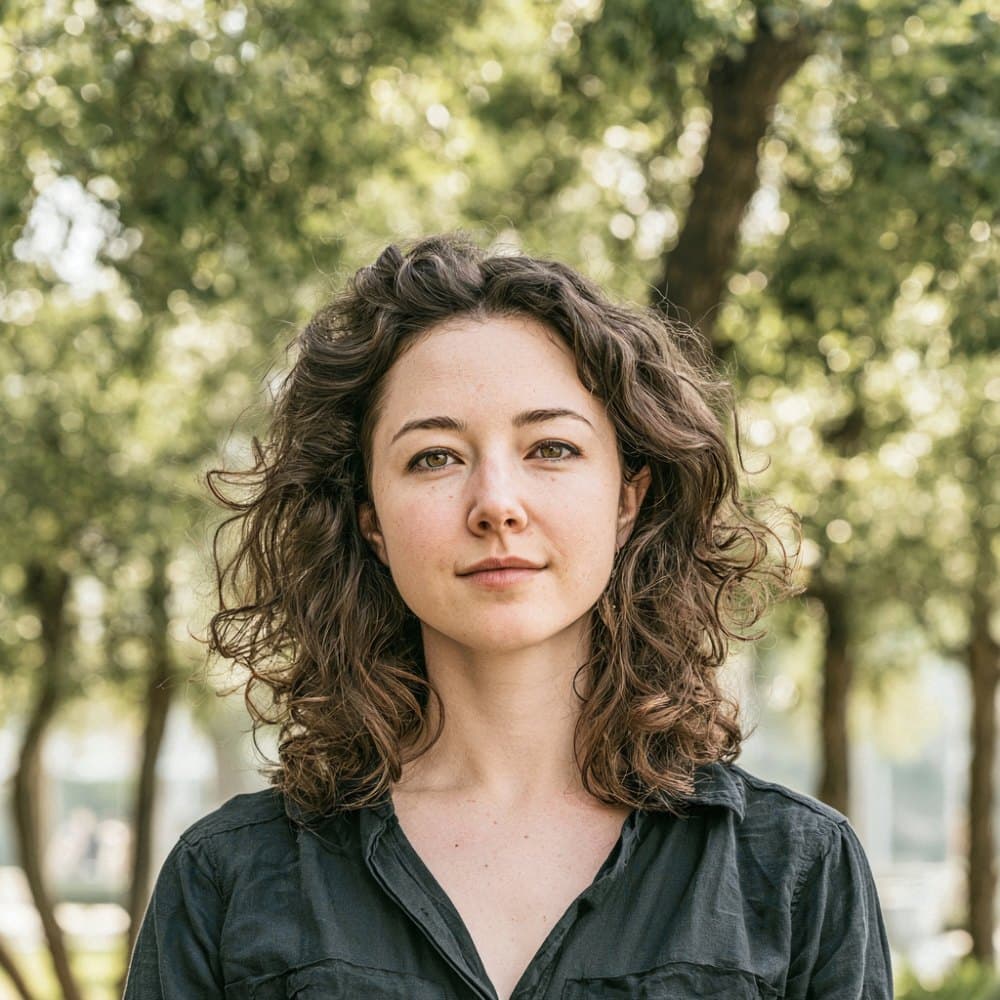
Angola visa photo rules from the Serviço de Migração e Estrangeiros
The Serviço de Migração e Estrangeiros (SME), the immigration service under Angola’s Ministry of Interior, sets the photo standard for every Angolan visa. The authoritative numeric specification is published on the SME e-Visa upload page at smevisa.gov.ao, which enforces a strict JPEG-only file under 200 KB. The Ministry of External Relations (MIREX) applies the same subject rules at diplomatic missions abroad.
Submission channels are not uniform. The SME e-Visa portal is the primary route, but applicants who cannot use it must lodge prints directly at an Angolan embassy or consulate, or at a VFS Global hub in select regional markets such as South Africa. Print sizes shift by host country: 35×45 mm at most non-US missions and VFS centres, 30×40 mm for some MIREX missions in Europe, and 51×51 mm (2×2 inches) at Angolan missions in the United States.
SME and consular intake staff reject non-compliant photos outright, which delays the application and, in the case of e-Visa uploads, blocks the form from being submitted. Photos must also have been taken within the last six months. Even where an e-Visa has been approved in advance, applicants are advised to carry physical prints to Quatro de Fevereiro Airport in Luanda in case biometric capture at the border is unavailable.
What Angola requires in a visa photo
The Serviço de Migração e Estrangeiros (SME) and Angolan diplomatic missions enforce a strict set of subject rules. Get any of these wrong and the application is returned.
Expression & pose
- Neutral expressionKeep a neutral face with the mouth fully closed. Smiling, frowning, and showing teeth are not accepted.
- Eyes open and visibleBoth eyes must be open, looking straight at the camera, and clear of hair. Red-eye is a rejection cause.
- Head straight to cameraFace the camera squarely with the head level. Tilting, turning, or looking off-axis is not permitted.
- Shoulders squareSquare the shoulders to the camera so the head and upper torso are centered and symmetrical.
Eyewear & lenses
- EyeglassesAngolan consular intake instructions prohibit eyeglasses, and the SME e-Visa portal does not carve out an exception. Remove all glasses before the photo is taken.
- Tinted and sunglassesTinted lenses, sunglasses, and any eyewear that obscures the eyes are not accepted under any circumstances.
Hair & facial hair
- Hair off the faceHair must not cover the eyes or cast shadows across the face. Ears should be visible where the hairstyle allows.
Headwear
- Bare headHats, caps, and other head coverings are prohibited. The full face from the chin to the top of the forehead must be visible.
- Religious head coveringsHead coverings worn daily for religious reasons are accepted, provided the entire face from the chin to the hairline remains unobstructed and shadow-free.
Jewelry & accessories
- Face-obscuring itemsEarrings, nose rings, and similar jewelry are tolerated when small, but nothing may obscure facial features or cast reflections across the face.
Cosmetics
- Everyday makeupNormal day-to-day makeup is acceptable. Heavy cosmetic application that materially alters the applicant’s appearance is not.
Clothing
- Everyday clothingWear ordinary street clothing that contrasts with the white background. Avoid white or very pale tops that blend into the backdrop.
- Uniforms discouragedMilitary, police, and other professional uniforms are discouraged for visa photographs.
Photo quality
- Recent likenessThe photograph must have been taken within the last six months and must reflect the applicant’s current appearance. Some US-based Angolan consulates apply a stricter three-month rule.
- No shadows on faceThe face must be free of shadows, including any cast by hair, headwear, or jewelry.
Dimensions, resolution & background.
Head position & camera distance.
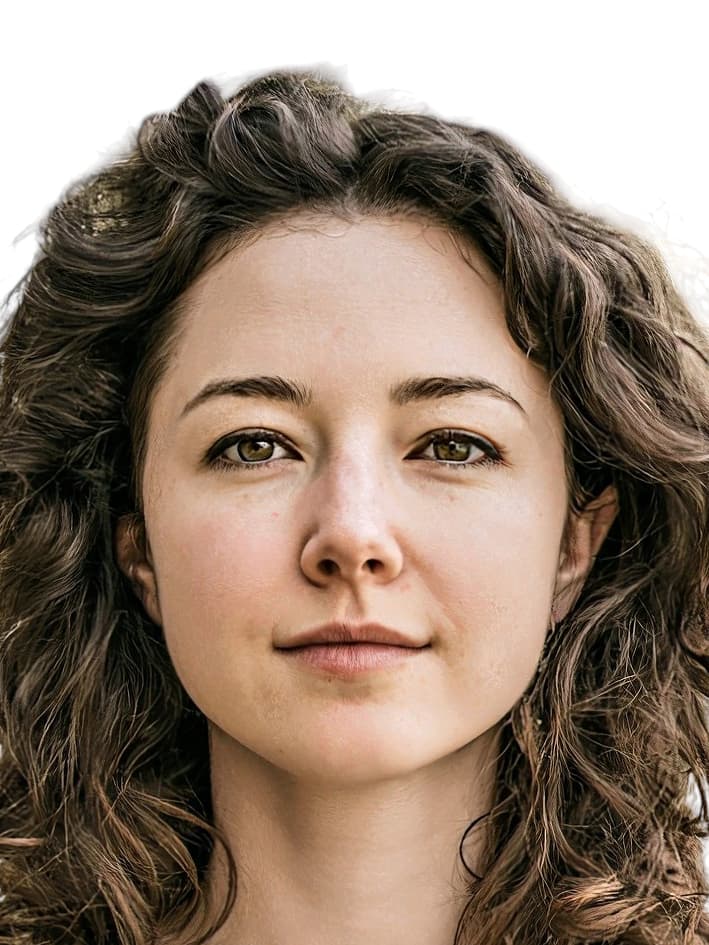
- Head height, measured from the bottom of the chin to the top of the head, must be between 29 mm and 31 mm (roughly 71–79% of the photo height).
- Eyes must sit between 19 mm and 23 mm from the bottom of the photo.
- The head must be centered horizontally in the frame with a small symmetrical margin on each side.
- Both shoulders must be square to the camera and visible. Three-quarter angles or rotated torsos are not accepted.
- The full face from chin to crown must be inside the frame with proper top margin.
Angola accepts more than one size — we generate them all.
Angola publishes more than one acceptable format depending on where you submit your application — domestic passport offices, the official online portal, and regional consulates abroad can each call for a different print or pixel size. We render every variant below from the same source photo, so the head sits at the same physical position across files, and each one arrives in your order email with a clear filename indicating which submission channel it's for.
Angola Visa 30×40 mm
Primary · Print + DigitalAngola's official format — the same file works for both printed in-person submissions and the online portal upload.
Angola Visa 381×496 px — online
Digital uploadPixel-exact format required by the official online portal upload.
How recent the photo must be.
Your visa photo must have been taken within the last six months. A new photo is required sooner whenever your appearance has changed in a way that makes the old photo no longer recognizable.
You need a new photo if you’ve had…
- Facial surgery or a major change to facial structure
- A significant gain or loss of weight that visibly changes your face
- Large facial tattoos or piercings added or removed
- A gender transition that has changed your appearance
You do not need a new photo just because of…
- A new hair color
- Growing or removing a beard or moustache
- Ordinary, minor aging
- A new hairstyle that still leaves the face fully visible
Photos for infants and young children.
SME relaxes a small number of subject rules for infants, recognising that very young children cannot hold a neutral pose.
Infants (under 12 months)
Babies under one year are not held to the adult expression and pose rules, but they must still appear alone in the frame against a plain white setting.
- Eyes may be closedInfants under 12 months are not required to have their eyes open.
- Expression not enforcedA neutral expression is not required. Slightly parted lips and natural infant expressions are accepted.
- Child alone in frameNo parental hands, arms, toys, pacifiers, or supporting props may be visible anywhere in the photograph.
- Lying flat is acceptableThe baby may be photographed lying on a plain white sheet when they cannot yet sit unsupported.
Other things to know.
A few Angola-specific quirks sit outside the standard subject rules and are worth knowing before you submit.
Print size varies by mission
Angolan missions adopt their host country’s photo norm for physical submissions. Most embassies and VFS Global hubs accept 35×45 mm, MIREX Switzerland uses 30×40 mm for study visas, and Angolan missions in the United States require 2×2 in (51×51 mm). Check the receiving mission before printing.
Number of prints differs
Two identical prints is the safe default. The Angolan Embassy in Norway asks for three, and some study-visa channels through Switzerland accept one. Confirm with the mission handling your file.
Carry prints to the border
Even applicants holding an approved e-Visa should carry physical photo prints when arriving at Quatro de Fevereiro Airport in Luanda. Biometric capture downtime at the border is a recurring issue and physical prints serve as a fallback.
Glasses off at the embassy
Consular intake desks reject photos showing eyeglasses even when the SME e-Visa portal is silent on the point. Removing glasses before the photo is taken avoids inconsistent treatment between the digital and physical channels.
Take your Angola visa photo at home in three steps.
Plus a human layer. Your files are ready the moment the automatic checks pass — and a real passport-photo specialist also reviews each one, usually within minutes, touching up small issues or flagging anything that needs your attention.
Free to check, and reviewed by a real expert. You only pay when you keep it.
Print-quality requirements for in-person submissions.
When you submit a printed photo at a visa application centre, the paper, finish, and ink all matter. The points below cover the standards most consular missions accept.
- Print on photographic-quality paper at 300 DPI minimum.
- Use a matte or semi-gloss finish; high-gloss can produce reflections that confuse biometric scanners.
- Do not retouch, crop, or alter the photo after printing.
- Bring at least two identical prints when the submission channel calls for paper photos.