
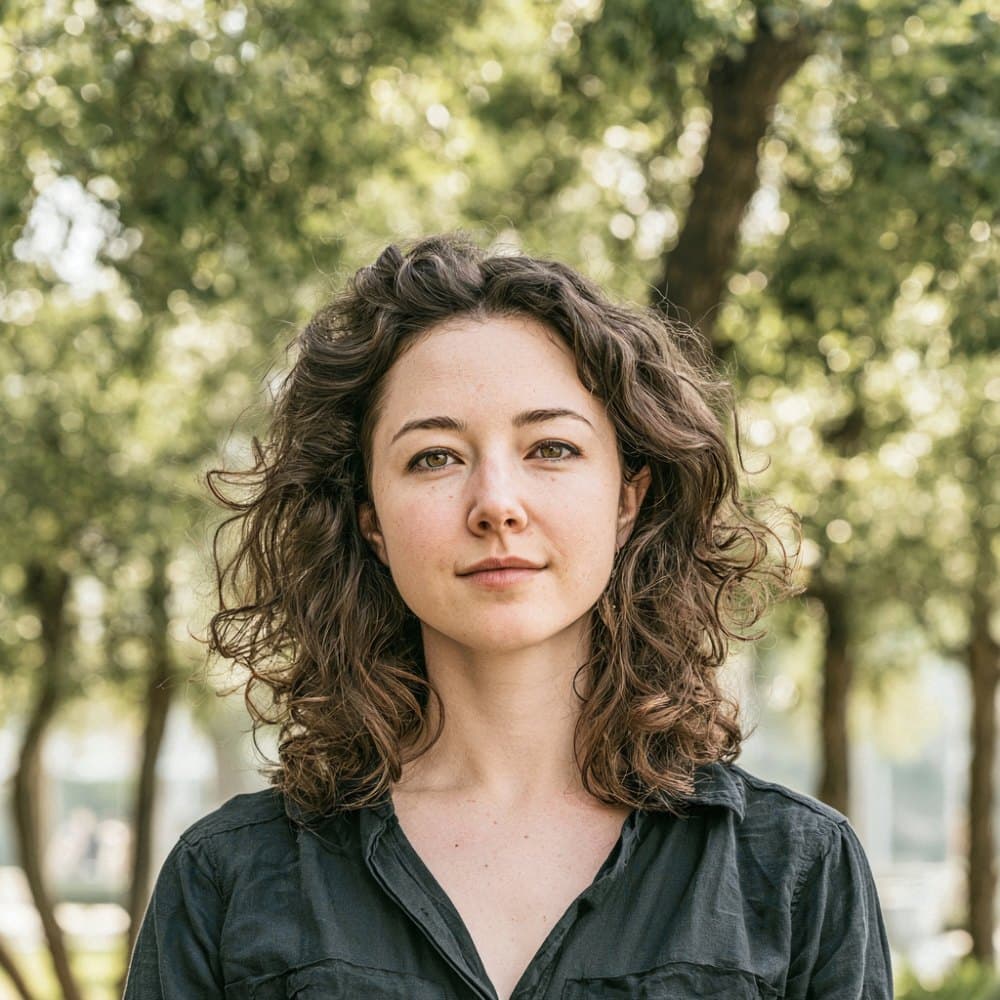
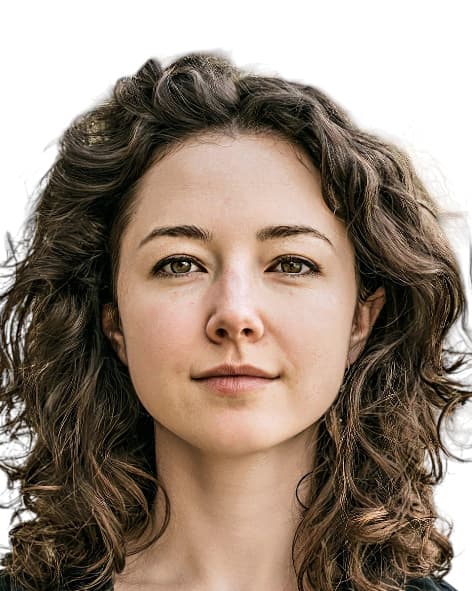
UAE visa photos under ICP and GDRFA Dubai
United Arab Emirates visa photos are governed by two parallel federal authorities. The Federal Authority for Identity, Citizenship, Customs and Port Security (ICP) handles applications for Abu Dhabi, Sharjah, Ajman, Umm Al Quwain, Ras Al Khaimah, and Fujairah through its Smart Services portal, while the General Directorate of Residency and Foreigners Affairs (GDRFA) Dubai processes all Dubai visas through its own smart portal. A single biometric photo standard applies across every visa category, from tourist and transit entries to employment, residence, and Golden Visas.
The submission channel determines the print format. Sponsored airline e-visas filed via VFS Global’s Dubai Visa Processing Centre or TT Services use a 43 by 55 mm print, while walk-in applications at UAE embassies and consulates abroad typically take a 2 by 2 inch print. Photos that fail the spec are rejected outright at the upload step or by the VFS desk agent, which means the visa file cannot move forward until a compliant image is provided.
Enforcement has tightened in recent years. ICP and GDRFA now require a uniform pure white background and apply strict scrutiny to eyewear, headwear, expression, and clothing. Non-Emirati applicants are explicitly forbidden from wearing UAE national dress in the photo, which is one of the most common reasons expatriate files are returned.
United Arab Emirates visa photo requirements
The ICP, GDRFA Dubai, and MOFAIC apply a single biometric photo standard across every UAE visa category. Subjects must meet these rules for the photo to clear intake.
Expression & pose
- Facial expressionHold a neutral expression with the mouth firmly closed. Smiling, frowning, and visible teeth are rejected by ICP and GDRFA reviewers.
- EyesEyes must be open and looking directly at the lens. Squinting and hair crossing the eyes are not accepted.
- Head alignmentFace the camera squarely with the head level. Both edges of the face must be equally visible, with no tilt, turn, or angle.
- ShouldersShoulders must be visible and parallel to the bottom edge of the photo.
Eyewear & lenses
- EyeglassesGlasses are not accepted under current ICP and GDRFA enforcement. Applicants with a documented medical need to wear glasses must provide supporting paperwork.
- Sunglasses & tinted lensesSunglasses, tinted lenses, and any coloured contact lenses are prohibited.
Hair & forehead
- Hair off the faceHair must be kept off the face so that the chin, forehead, and both sides of the face are clearly visible.
- Bangs & fringeBangs or fringe covering the forehead or falling across the eyes are not accepted.
Headwear
- General headwearHats, caps, and other non-religious headwear are not permitted.
- Religious head coveringsHead coverings worn for religious reasons are accepted provided the full face from chin to forehead and both edges of the face remain visible, with no shadows cast on the face.
Jewelry & cosmetics
- JewelrySmall, non-reflective jewelry is acceptable. Large items that cast shadows or produce reflections on the face will cause rejection.
- CosmeticsMakeup must look natural. Heavy contouring, shimmer, bold colours, and false lashes are not accepted.
Clothing
- UAE national dress restrictionNon-Emirati expatriate applicants must not wear UAE national dress (kandura, ghutra, or abaya). Wear ordinary civilian clothing or the national dress of your own country.
- Shoulders coveredShoulders must be covered. Sleeveless tops, tank tops, and bare shoulders are rejected.
- Top colourAvoid white or very light-coloured tops, which blend into the required white background. Choose a darker garment that contrasts cleanly.
- UniformsUniforms are not accepted, except for religious clothing worn as part of daily life.
Dimensions, resolution & background.
Head position & camera distance.
- Head height, measured from the bottom of the chin to the top of the head, must be between 35.6 mm and 39.3 mm (roughly 71–79% of the photo height).
- Eyes must sit between 27.5 mm and 32.6 mm from the bottom of the photo.
- The head must be centered horizontally in the frame with a small symmetrical margin on each side.
- Both shoulders must be square to the camera and visible. Three-quarter angles or rotated torsos are not accepted.
- The full face from chin to crown must be inside the frame with proper top margin.
United Arab Emirates accepts more than one size — we generate them all.
United Arab Emirates publishes more than one acceptable format depending on where you submit your application — domestic passport offices, the official online portal, and regional consulates abroad can each call for a different print or pixel size. We render every variant below from the same source photo, so the head sits at the same physical position across files, and each one arrives in your order email with a clear filename indicating which submission channel it's for.
United Arab Emirates Visa 40×50 mm
Primary specUnited Arab Emirates's recommended print format — accepted at most in-country submissions and the default we render first.
United Arab Emirates Visa 43×55 mm — VFS/airline
Consular printFormat required by VFS Global appointment portals.
United Arab Emirates Visa 2×2 in — from US consulate
Consular printPrint size accepted by US-based consular missions for applicants in the United States.
United Arab Emirates Visa 300×369 px — e-Visa
Digital uploadSized for United Arab Emirates's e-Visa online application.
How recent the photo must be.
Your visa photo must have been taken within the last six months. A new photo is required sooner whenever your appearance has changed in a way that makes the old photo no longer recognizable.
You need a new photo if you’ve had…
- Facial surgery or a major change to facial structure
- A significant gain or loss of weight that visibly changes your face
- Large facial tattoos or piercings added or removed
- A gender transition that has changed your appearance
You do not need a new photo just because of…
- A new hair color
- Growing or removing a beard or moustache
- Ordinary, minor aging
- A new hairstyle that still leaves the face fully visible
Photos for infants and young children.
The UAE visa standard relaxes a small number of rules for the youngest applicants. Every other rule, including the white background and head-height framing, continues to apply.
Infants (under 12 months)
ICP and GDRFA allow limited flexibility on expression for babies under one year, but the child must still appear alone in the frame.
- EyesEyes do not need to be fully open for infants under 1 year.
- MouthAn open mouth is acceptable for infants; the strict neutral, closed-mouth rule does not apply.
- Head positionMinor head tilt or turn is tolerated for infants who cannot yet hold a steady pose.
- Subject isolationThe infant must appear alone. Parental hands, arms, toys, pacifiers, blankets, and other people must not be visible in the frame. Lay the baby on a plain white sheet.
Other things to know.
A few UAE-specific quirks catch applicants out even when the photo itself is technically clean.
Channel-specific print size
The UAE uses three different print sizes depending on where the application is submitted: 40×50 mm for ICP federal and GDRFA Dubai in-country files, 43×55 mm for Emirates and Etihad airline-sponsored visas processed through VFS DVPC, and 2×2 inch (51×51 mm) for walk-in applications at UAE embassies such as Washington DC. Pick the size that matches your submission channel.
Dubai vs federal portal split
Dubai visas are processed by GDRFA through smart.gdrfad.gov.ae, while visas for the other six emirates go through ICP Smart Services. The two portals enforce different upload limits even for identical visa types.
Visa on Arrival nationalities
Citizens of countries eligible for Visa on Arrival (including the US, UK, and EU member states) do not submit a photo at all. Biometric capture is performed live at the UAE immigration desk on entry.
Photo recency
The photo must have been taken within the last six months and must reflect the applicant’s current appearance. Older photos are rejected even when they otherwise meet every specification.
Take your United Arab Emirates visa photo at home in three steps.
Plus a human layer. Your files are ready the moment the automatic checks pass — and a real passport-photo specialist also reviews each one, usually within minutes, touching up small issues or flagging anything that needs your attention.
Free to check, and reviewed by a real expert. You only pay when you keep it.
Print-quality requirements for in-person submissions.
When you submit a printed photo at a visa application centre, the paper, finish, and ink all matter. The points below cover the standards most consular missions accept.
- Print on photographic-quality paper at 600 DPI minimum.
- Use a matte or semi-gloss finish; high-gloss can produce reflections that confuse biometric scanners.
- Do not retouch, crop, or alter the photo after printing.
- Bring at least two identical prints when the submission channel calls for paper photos.