
Morocco passport photo standards from the DGSN and MAEC
Morocco’s passport photo specification is set by the Direction Générale de la Sûreté Nationale (DGSN) under the Ministère de l’Intérieur for domestic issuance, and by the Ministère des Affaires Étrangères (MAEC) for consular issuance. The same 35×45 mm biometric portrait covers the biometric passport, the Carte Nationale d’Identité Électronique (CNIE), the consular sticker visa, and the eVisa uploaded through acces-maroc.ma. The eVisa Conditions d’utilisation document explicitly anchors the photo standard to ICAO 9303.
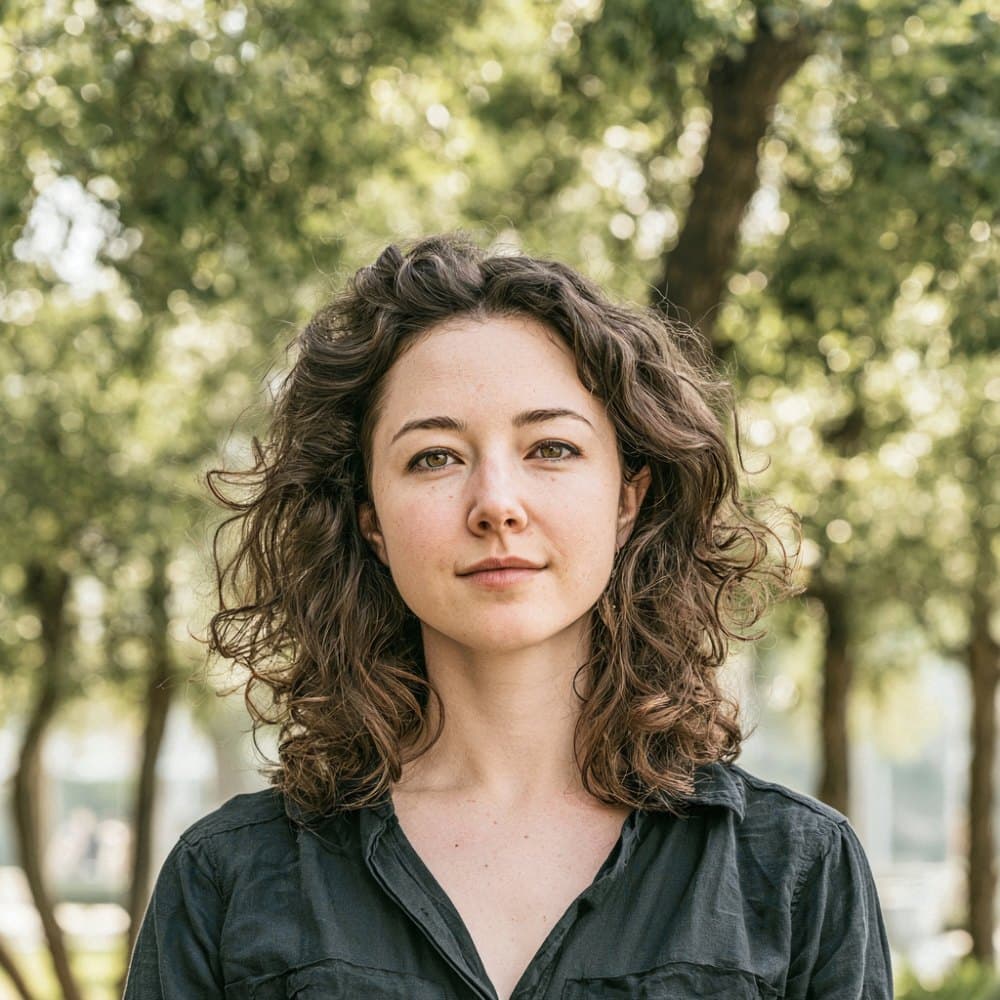
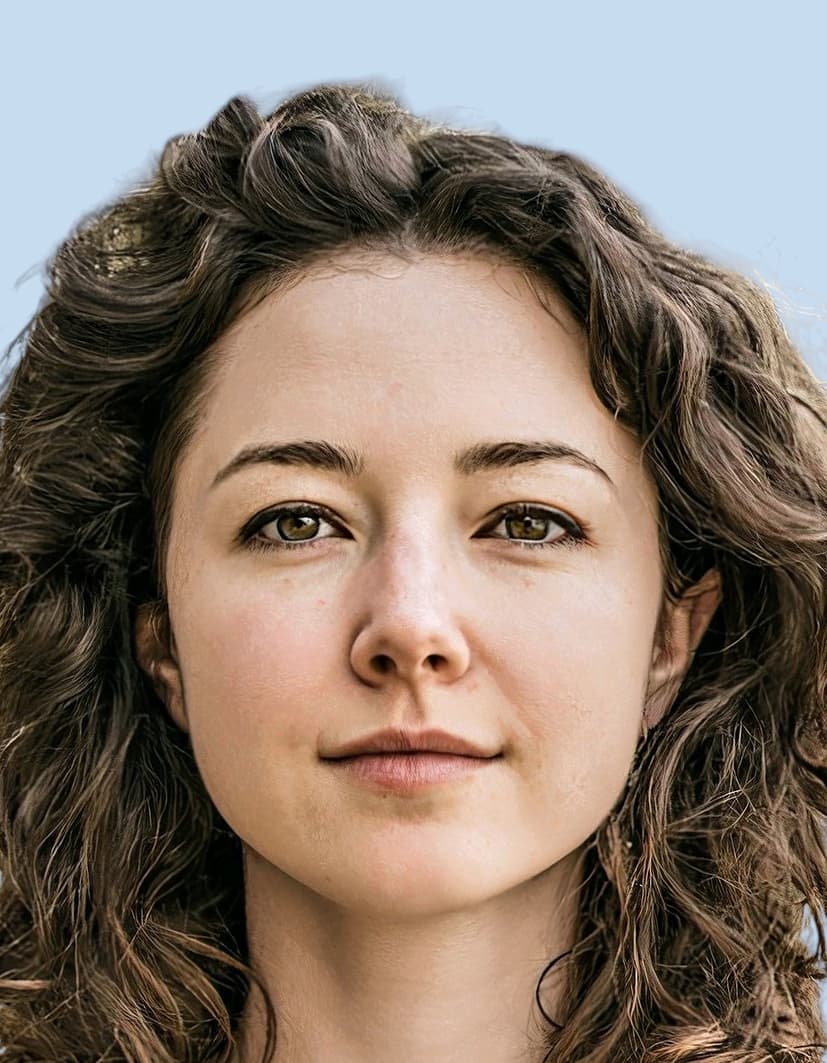
The operative official phrase is ’visage dégagé’, meaning the face must be clear and revealed, with a neutral expression, mouth closed, and eyes open and looking straight at the camera. Photos must be in color, taken within the last six months, and reflect the applicant’s natural appearance without retouching or beauty filters. The CNIE text adds the only explicit eyewear clause in Moroccan law, ’sans lunettes sombres’, prohibiting dark or tinted glasses.
Enforcement at police stations, préfectures, and Moroccan consulates is strict. A photo that fails the DGSN or MAEC checks is rejected outright, and the applicant must return with a compliant replacement before the file moves forward, which delays passport, CNIE, and visa issuance.
Moroccan Passport Photo Requirements
The DGSN, Ministère de l’Intérieur, and MAEC apply ICAO-aligned rules to passport, CNIE, and visa photos. The subject must meet every condition below for the photo to be accepted.
Expression & pose
- Neutral expressionThe face must carry a neutral expression. Smiling, frowning, raised eyebrows, and squinting are not accepted.
- Mouth closedLips must be closed with no teeth visible.
- Eyes openBoth eyes must be fully open and looking directly at the camera, with the iris and pupil clearly visible.
- Frontal head positionThe head must face the camera squarely with no yaw, pitch, or roll. Three-quarter and profile views are prohibited.
- Square shouldersBoth shoulders must be level and parallel to the bottom of the frame, with the top of the shoulders visible.
Eyewear & lenses
- Dark glassesSunglasses and tinted lenses are prohibited. The CNIE rules state explicitly ’sans lunettes sombres’.
- Clear prescription glassesClear glasses are permitted only if frames are thin, do not cross the eyes, and produce no glare or reflection on the lenses. Removing glasses is recommended to avoid rejection.
- Cosmetic contact lensesColored or patterned contact lenses that alter natural eye appearance are not accepted. Clear prescription lenses are acceptable.
Hair
- Visage dégagéThe operative rule requires the face to be clear and revealed. Hair must not cover the eyes, eyebrows, or the oval of the face, and must not cast shadows on the face.
- Bangs and fringesBangs are permitted only when the eyebrows and eyes remain fully visible.
- Hair accessoriesDecorative clips, bows, jeweled pins, and headbands are not permitted. Plain elastics or discreet pins used to keep hair off the face are acceptable.
- WigsWigs are permitted when they reflect the applicant’s normal everyday appearance.
Headwear
- General prohibitionHats, caps, beanies, hoods, and decorative scarves are not permitted. A djellaba hood worn up is not accepted.
- Religious head coveringsHijabs, turbans, and similar coverings are permitted provided the entire facial oval is visible from chin to forehead, including both cheeks and the jawline.
- Fabric requirementsReligious head coverings must be plain, single-color, non-shiny, and non-patterned, and must not cast shadows on the face.
- Medical head coveringsMedical head coverings are permitted when supported by documentation, provided the full facial oval remains visible.
Jewelry & accessories
- EarringsSmall studs are acceptable. Large, dangling, or highly reflective earrings should be removed.
- NecklacesSubtle necklaces are acceptable. Bulky or reflective pieces are discouraged.
- Facial piercingsSubtle studs are generally tolerated. Large, dangling, or reflective piercings risk rejection.
- Headphones and earbudsHeadphones, earbuds, and wireless audio devices are prohibited in the frame.
Cosmetics
- Natural makeupModerate, natural-looking makeup is acceptable.
- Heavy makeupHeavy contouring, dramatic eyeliner, dark lipstick, and other cosmetics that alter biometric features are not accepted.
- False eyelashesFalse eyelashes that alter the appearance of the eyes are not permitted.
- Temporary markingsHenna stamps and temporary tattoos on the face should be avoided. Permanent facial tattoos do not need to be covered.
Clothing
- Contrast with backgroundClothing must contrast with the light background. White and very light tops are not suitable against a white or light-grey background.
- Patterns and logosProminent patterns, logos, and text on clothing should be avoided.
- Traditional attireEveryday clothing and traditional Moroccan attire such as a djellaba worn without the hood are acceptable.
- UniformsUniforms are discouraged. Civilian everyday attire is expected.
Photo quality (subject)
- No red-eyeRed-eye is not accepted. The photo must be retaken; digital red-eye correction is not permitted.
- No motion blurThe subject must remain still so that facial features are sharp and clearly defined.
- No facial shadowsShadows on the face, neck, or under the chin, including those cast by hair or headwear, will cause rejection.
Dimensions, resolution & background.
Head position & camera distance.
- Head height, measured from the bottom of the chin to the top of the head, must be between 33 mm and 37 mm (roughly 74–82% of the photo height).
- Eyes must sit between 20 mm and 25 mm from the bottom of the photo.
- Top margin (from the top of the head to the top edge): 3–5 mm.
- The head must be centered horizontally in the frame, with a small symmetrical margin on each side.
- Shoulders must be square to the camera and both visible. No three-quarter angles or rotated torso.
- The full face, from chin to crown, must be inside the frame with proper top margin.
How recent the photo must be.
Your passport photo must have been taken within the last six months. A new photo is required sooner whenever your appearance has changed in a way that makes the old photo no longer recognizable.
You need a new photo if you’ve had…
- Facial surgery or a major change to facial structure
- A significant gain or loss of weight that visibly changes your face
- Large facial tattoos or piercings added or removed
- A gender transition that has changed your appearance
You do not need a new photo just because of…
- A new hair color
- Growing or removing a beard or moustache
- Ordinary, minor aging
- A new hairstyle that still leaves the face fully visible
Photos for infants and young children.
Morocco does not publish separate statutory rules for children, but ICAO-derived practice applies leniency for the youngest applicants.
Infants (0–11 months)
Practical leniency applies for the youngest babies while subject-isolation rules remain strict.
- EyesEyes may be partially or fully closed.
- ExpressionA relaxed or neutral expression is preferred. Extreme crying expressions are discouraged.
- PoseSlight head tilt is tolerated. The baby may be photographed lying on a plain light sheet from above.
- Subject aloneParents’ hands, toys, props, and other people must not be visible anywhere in the frame.
Children (1–5 years)
Limited expression and pose leniency applies; eyes must remain open.
- ExpressionA slight smile or relaxed expression is accepted.
- EyesEyes must be open and visible.
- PoseA slight head tilt is tolerated, though a straight pose is preferred.
- Subject aloneNo supporting hands, props, or other people may appear in the photo. Each child requires their own photograph.
Country-specific details to know.
A few Moroccan-specific points sit outside the standard requirement groups.
Photo recency window
The photograph must have been taken within the last six months. Significant facial surgery, major weight change, or new permanent facial markings require a new photo even within that window.
Visage dégagé doctrine
The operative French phrase in Moroccan rules is ’visage dégagé’, meaning the face must be clear and revealed. It governs hair, headwear, and accessory decisions rather than mandating that every strand be pulled back from the forehead.
Red-eye policy
Moroccan authorities require red-eye to be eliminated by retaking the photo. Software red-eye correction is treated as prohibited digital alteration.
Print copies
Two identical prints are required for a new biometric passport and for the CNIE. Some consulates request four copies for passport renewals, so the specific consulate’s instructions should be confirmed.
As easy as snap, upload, done.
You take a quick picture. We do the spec work and tell you immediately if anything needs a retake.
Plus a human layer. Your files are ready the moment the automatic checks pass — and a real passport-photo specialist also reviews each one, usually within minutes, touching up small issues or flagging anything that needs your attention.
Free to check, and reviewed by a real expert. You only pay when you keep it.
Print & paper standards.
If you submit a printed photo with a paper application, the print itself has to meet acceptance-facility standards in addition to the rules above.
- High-quality photographic paper with a glossy finish.
- Inkjet printing is not accepted. Use a professional photo lab.
- No visible pixels, banding, dithering, or printer artifacts.
- The print must be undamaged: no creases, holes, smudges, staples, or pinholes.
- Do not write on the back of the photo.
- 2 identical prints are required.