
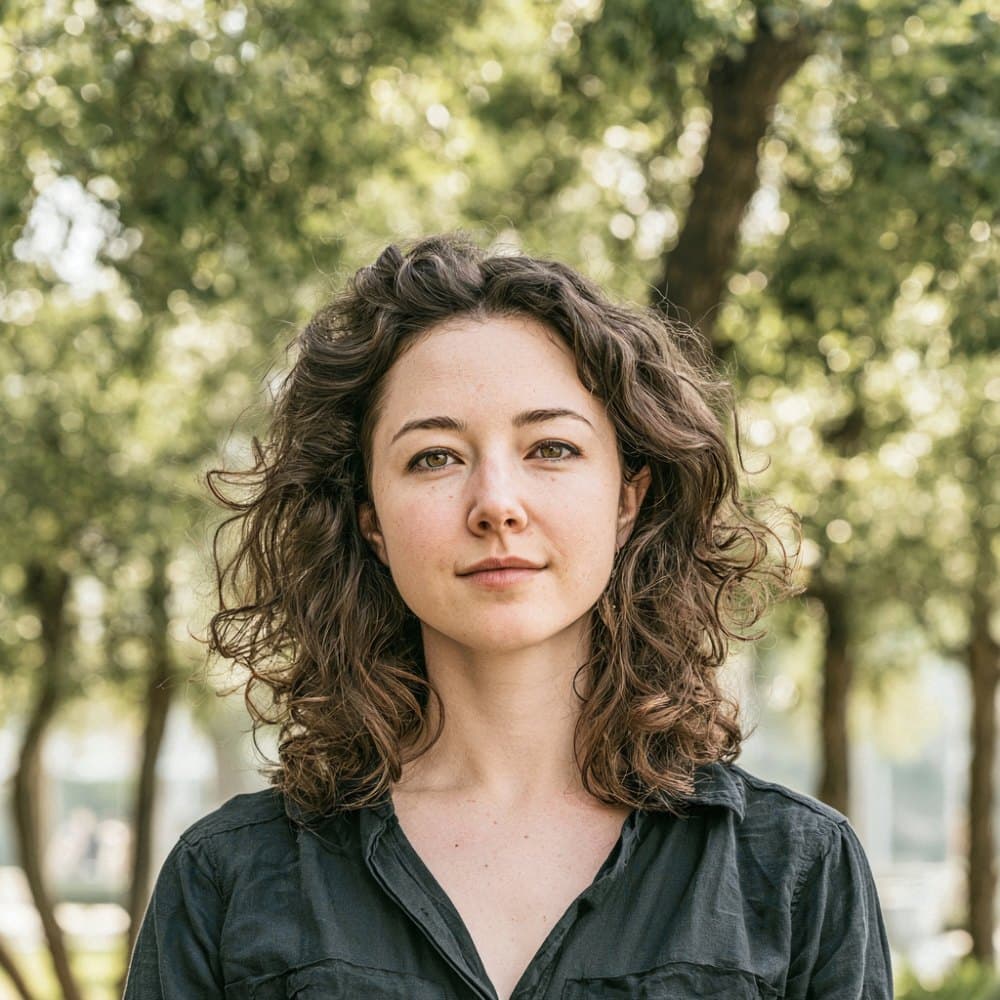
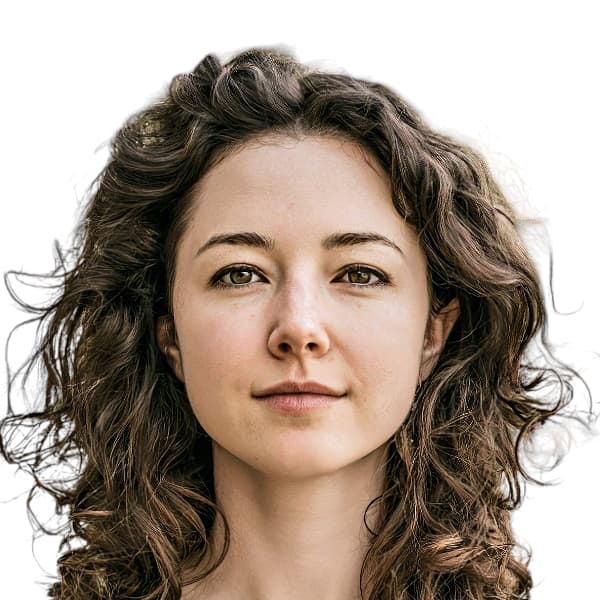
Israel passport photo requirements set by PIBA
Israeli passport photos are governed by the Population and Immigration Authority (PIBA) under the Ministry of the Interior, with consular submissions processed through Israeli embassies under the Ministry of Foreign Affairs. PIBA publishes the biometric photo guide that defines the facial image used in passports, the biometric Teudat Zehut, and temporary travel documents, and the same biometric content rules govern photos brought to embassies abroad for passport renewals, laissez-passer applications, and B-2 visitor visas.
Two print formats are in use. Consular applications and B-2 visas require a square 5×5 cm (2×2 inch) print on a white background. Domestic temporary passports, emergency passports issued at the Ben-Gurion airport branch, Teudat Maavar travel documents, and any document for children under six use a 35×45 mm portrait print on a uniform white background. Two identical copies are required for every printed-photo application. Adults applying inside Israel for a standard biometric passport or ID card do not bring photos at all, since PIBA captures the image at the service booth.
PIBA enforces the spec strictly. Glasses are prohibited outright, all jewelry must be removed, both ears must be fully visible, and the expression must be neutral with the mouth closed. Photos that fail any of these checks are rejected at the counter and the applicant must return with a new image, which is why the rules are worth getting right the first time.
Israel passport photo requirements set by PIBA
The Population and Immigration Authority codifies these rules in its biometric photo guide. They apply to passports, biometric ID cards, travel documents, and consular submissions.
Expression & pose
- Neutral expressionThe expression must be neutral with no smile. PIBA explicitly rejects raised eyebrows, frowns, and other non-neutral expressions.
- Mouth closedThe mouth must be closed with no teeth visible.
- Eyes openBoth eyes must be fully open, clearly visible, and looking directly at the camera. Hair must not cross or cover the eyes.
- Head straight to cameraThe head must face the camera directly, with no tilt, side glance, or rotation. Portrait-style photos taken over the shoulder are rejected.
- Shoulders squaredShoulders must be square to the camera so the full front view of the face is shown.
Eyewear & lenses
- EyeglassesGlasses are prohibited. PIBA’s biometric photo guide instructs that the photograph be taken without glasses, with no medical exception published.
- Cosmetic contact lensesColoured or decorative contact lenses that alter the natural appearance of the eyes are not permitted. Clear corrective contact lenses are acceptable.
Hair
- Hair off the faceHair must not cover the eyes, eyebrows, or ears. Bangs that fall across the eyes or eyebrows are non-compliant.
- Ear visibilityBoth ears must be fully visible in the photograph. PIBA enforces this categorically, and consular posts instruct applicants to tuck hair behind the ears.
- WigsWigs are permitted when they are part of the applicant’s regular appearance and do not obscure facial features.
Headwear
- Hats prohibitedHats and non-religious head coverings are not allowed.
- Religious & medical coveringsReligious head coverings such as a kippah, hijab, tichel, or turban, and medically required coverings, are accepted. The full face from chin to hairline and both ears must remain visible.
- Headwear contrastReligious or medical headwear should contrast with the light background so the outline of the head is clearly defined.
- Shadows from headwearHead coverings must not cast shadows on the face. A photo with brim or fabric shadows obscuring the eyes or cheeks will be rejected.
Jewelry & accessories
- All jewelry bannedPIBA’s biometric photo guide states that the photo must contain only the subject, without objects or jewelry. Earrings, studs, necklaces, and facial piercings are all prohibited.
- Hair accessoriesDecorative hair clips, bands, and ribbons fall under the prohibition on objects in the frame and must be removed.
- Headphones & earbudsHeadphones, earbuds, and similar wearables are not permitted, and they would also conflict with the requirement that both ears be visible.
Cosmetics
- Natural appearanceSkin tone must appear natural. Heavy contouring that alters facial geometry is non-compliant.
- False eyelashesFalse eyelashes that obscure the eyes or cast shadows on the eyelids must be avoided.
- Reflective productsGlittery or strongly reflective cosmetics that produce highlights on the skin should not be used.
- Permanent facial featuresPermanent facial tattoos and similar identifying features must not be covered, because the photograph must reflect the applicant’s authentic appearance.
Clothing
- UniformsMilitary, police, and other uniforms are not permitted in the photograph.
- CoverageEveryday clothing covering the shoulders should be worn. Clothing that obscures the chin or jawline is not acceptable.
Photo quality (subject-side)
- Red-eyeRed-eye is not accepted, and PIBA does not allow it to be corrected digitally. A photo affected by red-eye must be retaken.
- Motion blurThe face must be sharp. Movement by the subject that produces blur on the eyes, nose, or mouth makes the photo non-compliant.
- Shadows on the faceShadows cast on the face, including those from a hat brim or hair, are not permitted.
Dimensions, resolution & background.
Head position & camera distance.
- Head height, measured from the bottom of the chin to the top of the head, must be between 35 mm and 40 mm (roughly 70–80% of the photo height).
- The head must be centered horizontally in the frame, with a small symmetrical margin on each side.
- Shoulders must be square to the camera and both visible. No three-quarter angles or rotated torso.
- The full face, from chin to crown, must be inside the frame with proper top margin.
Israel accepts more than one size — we generate them all.
Israel publishes more than one acceptable format depending on where you submit your application — domestic passport offices, the official online portal, and regional consulates abroad can each call for a different print or pixel size. We render every variant below from the same source photo, so the head sits at the same physical position across files, and each one arrives in your order email with a clear filename indicating which submission channel it's for.
Israel Passport 2×2 in
Primary specIsrael's recommended print format — accepted at most in-country submissions and the default we render first.
Israel Passport 35×45 mm — domestic/temporary
Consular printAlternate accepted size — printable for in-person submissions.
How recent the photo must be.
Your passport photo must have been taken within the last three months. A new photo is required sooner whenever your appearance has changed in a way that makes the old photo no longer recognizable.
You need a new photo if you’ve had…
- Facial surgery or a major change to facial structure
- A significant gain or loss of weight that visibly changes your face
- Large facial tattoos or piercings added or removed
- A gender transition that has changed your appearance
You do not need a new photo just because of…
- A new hair color
- Growing or removing a beard or moustache
- Ordinary, minor aging
- A new hairstyle that still leaves the face fully visible
Photos for infants and young children.
PIBA publishes one formal rule specific to photographs of children, and the standard biometric content rules otherwise apply equally to minors.
Children under 6
Children under six are exempt from in-booth biometric capture at PIBA offices and must instead supply printed photographs that meet the biometric standard.
- No other people or objectsThe photograph must contain only the child. Supporting hands, toys, pacifiers, bottles, chairs, and other props must not be visible in the frame.
- Adult rules still applyNeutral expression, closed mouth, open eyes, straight head position, and visibility of both ears apply to children on the same terms as adults. Infants under 1 year may be accepted with closed eyes when a sleeping pose is unavoidable.
- Infants on a plain surfaceAn infant may be photographed lying on a plain white sheet, provided no supporting hands or props appear in the frame.
Country-specific details to know.
A few features of the Israeli specification are stricter or more distinctive than common biometric defaults.
Jewelry prohibition
Israel bans all jewelry in the photograph, including small stud earrings, necklaces, and facial piercings. This is categorical and stricter than most other countries’ rules.
Ear visibility
Both ears must be fully visible, which is stricter than the ICAO baseline. Hair, headwear, and accessories must be arranged so that each ear is plainly shown.
Glasses with no exception
Eyeglasses are prohibited outright. PIBA publishes no medical waiver, so prescription glasses must be removed for the photograph.
Biometric Database Law
Facial images are stored in Israel’s central biometric database under the Biometric Database Law, which is why PIBA enforces an authentic, unaltered likeness and rejects digital red-eye correction in favour of retaking the photo.
As easy as snap, upload, done.
You take a quick picture. We do the spec work and tell you immediately if anything needs a retake.
Plus a human layer. Your files are ready the moment the automatic checks pass — and a real passport-photo specialist also reviews each one, usually within minutes, touching up small issues or flagging anything that needs your attention.
Free to check, and reviewed by a real expert. You only pay when you keep it.
Print & paper standards.
If you submit a printed photo with a paper application, the print itself has to meet acceptance-facility standards in addition to the rules above.
- Photo paper (matte or glossy finish).
- No visible pixels, banding, dithering, or printer artifacts.
- The print must be undamaged: no creases, holes, smudges, staples, or pinholes.
- 2 identical prints are required.